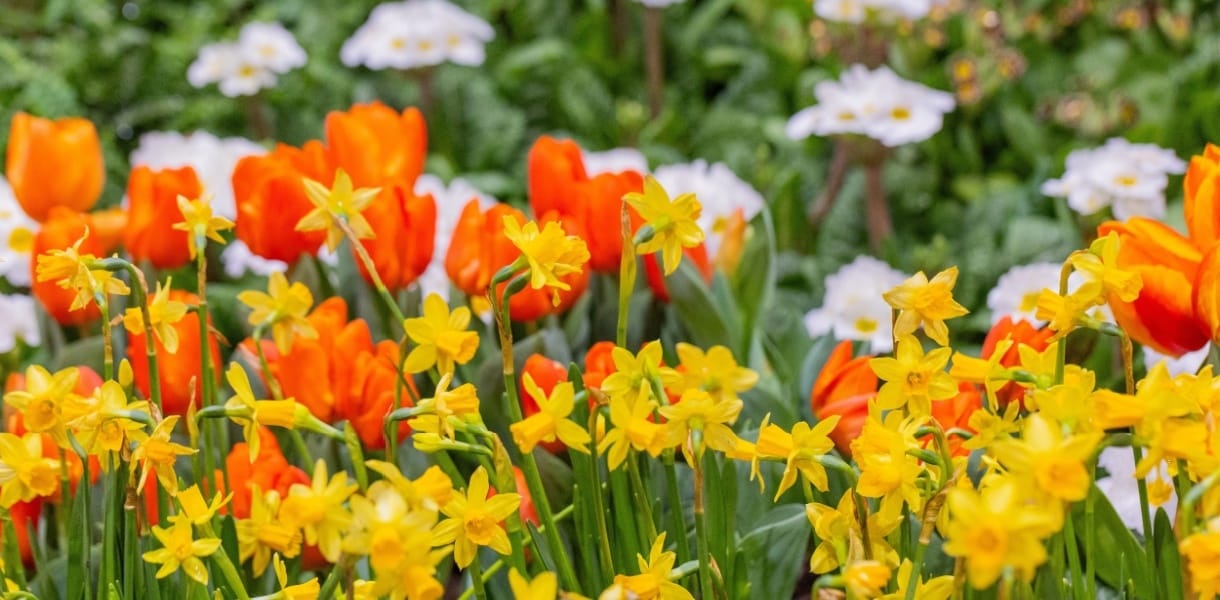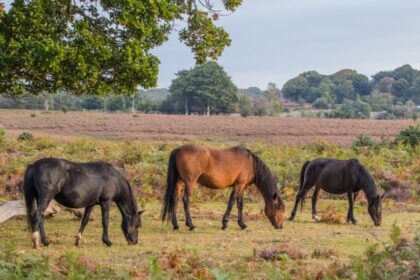
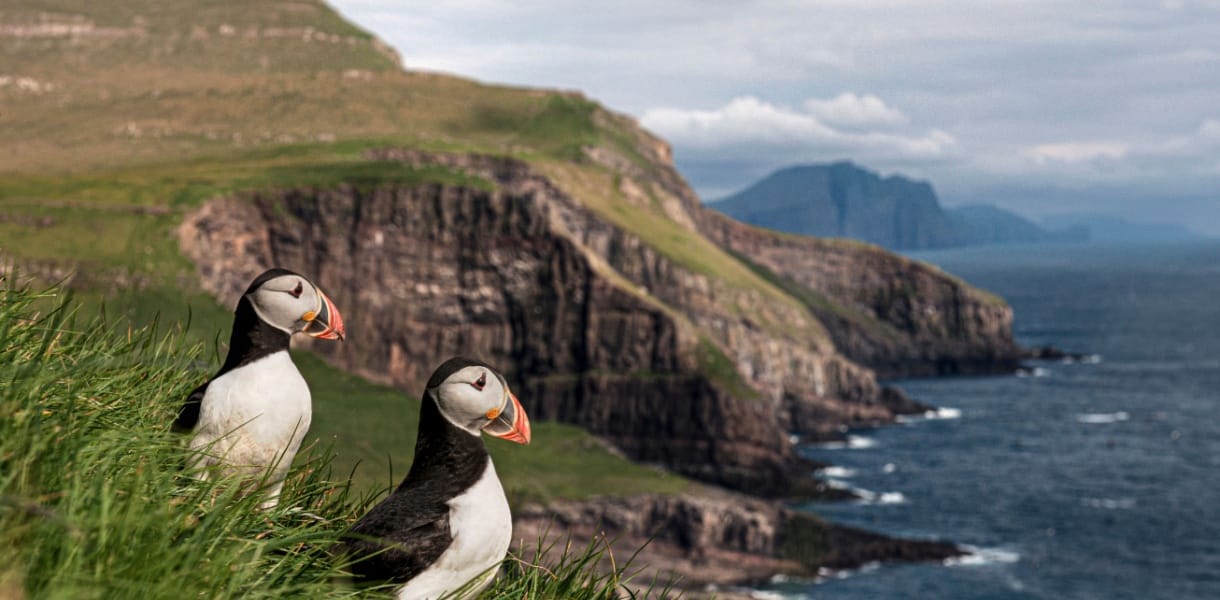
Spring is when Britain stops looking slightly damp and undecided and starts behaving like a proper wildlife destination. Puffins return to island cliffs, ospreys reappear over Highland lochs, bitterns boom from reedbeds, and dolphins turn up off headlands as if on cue. For anyone who enjoys birds, mammals, fresh air, and the occasional triumphant shout of “there it is”, these are 10 of the best places in the UK for spring wildlife watching.
Quick takeaways
- Best for puffins and seabirds are Farne Islands, Skomer Island and Bempton Cliffs
- Best for reedbeds and wetland birds are the Norfolk Broads and Leighton Moss
- Best for iconic spring wildlife are Loch Garten for ospreys, Chanonry Point for dolphins and Brownsea for red squirrels
- Best all-round easy outing is Bolderwood
1. Farne Islands, Northumberland
If spring wildlife in Britain had a grand opening ceremony, the Farne Islands would probably host it. These islands off the Northumberland coast fill with breeding seabirds in spring, and the result is noisy, crowded, chaotic and marvellous. Puffins are the obvious stars, but the real thrill is the sheer density of life. Everywhere you look, something is wheeling, nesting, squawking or trying to defend a ledge. It is one of the great seasonal spectacles in England, and the sort of place that can make even a casual visitor start saying things like “that one’s a guillemot” with misplaced confidence.
Know before you go
Getting here
- Boat trips run from Seahouses on the Northumberland coast [map]
Facilities
- Facilities depend on your boat operator and landing type, so check before travelling
- Expect a more rugged wildlife outing than a polished visitor attraction
Best time to go
- April to early summer for seabird breeding activity
Time needed
- Allow at least half a day including boat travel
Don’t miss
- Puffins, Arctic terns and the full seabird mayhem of the cliffs
2. Skomer Island, Pembrokeshire
Skomer feels less like a casual outing and more like a pilgrimage for people who enjoy binoculars and brisk sea crossings. The great attraction in spring is the return of the puffins, which settle in from mid spring onwards. That would be enough on its own, but Skomer also offers one of Britain’s richest seabird experiences, with guillemots, razorbills and Manx shearwaters all joining the seasonal performance. It feels wild, dramatic and faintly special, which is exactly what you want from an island full of birds.
Know before you go
Getting here
- Boat trips depart from Martin’s Haven in Pembrokeshire [map]
Facilities
- This is a nature reserve trip rather than a full-service day out, so bring what you need
- Booking ahead is wise in peak puffin season
Best time to go
- Mid spring to early summer for puffins, with late spring especially good
Time needed
- Half a day to a full day
Don’t miss
- Puffins along the paths and the wider seabird colonies around the cliffs
3. RSPB Loch Garten, Cairngorms
Loch Garten is one of the great British places for turning otherwise sensible adults into intensely focused osprey watchers. The reserve sits in the Cairngorms amid Caledonian pine forest, which gives the whole experience a hushed, almost ceremonial feel. Spring is the moment when the ospreys return and everyone begins scanning the skies hopefully. Even without one overhead, it is a beautiful place to be, with woodland birds, red squirrels and the kind of scenery that makes you walk more slowly and talk more quietly.
Know before you go
Getting here
- Near Aviemore in the Cairngorms National Park [map]
Facilities
- Reserve facilities are available on site
- Seasonal dog restrictions may apply around breeding areas
Best time to go
- Spring and summer, especially from April onward for breeding ospreys
Time needed
- Two to four hours, more if you are happy to linger
Don’t miss
- Ospreys over the loch and red squirrels in the surrounding forest
4. The Norfolk Broads, Norfolk
The Broads are one of those landscapes that look calm and gentle until you realise they are packed with rare and remarkable wildlife. Spring is an excellent time to explore the reedbeds, marshes and waterways, with bitterns, marsh harriers and otters all part of the appeal. Later in the season comes the swallowtail butterfly, which in Britain is famously associated with the Broads. It is a place for quiet observation, long views across water and reeds, and the pleasant suspicion that there is always something interesting just beyond the next patch of sedge.
Know before you go
Getting here
- Best approached via one of the Broads towns or nature reserves depending on where you want to explore [map]
Facilities
- Facilities vary widely by reserve, village or boat base
- Good for combining wildlife watching with easy walking or boating
Best time to go
- April to June for reedbed birds and spring activity, with swallowtails later in spring and early summer
Time needed
- Half a day to several days if you want to explore properly
Don’t miss
- Reedbeds alive with birdsong and the chance of bitterns or marsh harriers
5. RSPB Leighton Moss, Lancashire
Leighton Moss is excellent for anyone who likes their wildlife watching organised enough to feel relaxing but still wild enough to feel rewarding. It is one of the country’s best-known wetland reserves. In spring, the place comes alive with booming bitterns, marsh harriers over the reeds, bearded tits darting about and a generally busy, hopeful atmosphere. There is something deeply satisfying about a reserve where you can stand in a hide and feel as if the landscape is doing all the work for you.
Know before you go
Getting here
- Near Silverdale on the Lancashire coast [map]
Facilities
- Visitor facilities, hides and reserve paths make this one of the easier wildlife sites to visit
Best time to go
- Spring for booming bitterns, birdsong and active reedbed wildlife
Time needed
- Two to four hours
Don’t miss
- Bitterns, bearded tits and marsh harriers from the hides
6. Bempton Cliffs, Yorkshire
Bempton Cliffs is one of those places where the wildlife spectacle is so obvious that even complete beginners can look instantly well informed. Vast numbers of seabirds gather here on the towering chalk cliffs, which means spring is an extraordinary time to visit. Gannets, guillemots, razorbills, kittiwakes and puffins all contribute to a scene that feels both dramatic and slightly unruly. The best thing about Bempton is that it is not subtle. You arrive, look out, and there it all is.
Know before you go
Getting here
- On the Yorkshire coast near Bridlington [map]
Facilities
- Visitor facilities and viewpoints make this a very accessible wildlife outing
Best time to go
- Spring into summer, with spring ideal for the height of seabird activity
Time needed
- Two to three hours
Don’t miss
- Gannets cruising past the cliffs and puffins tucked among the ledges
7. Chanonry Point, Black Isle
There is something wonderfully efficient about Chanonry Point. Instead of trekking into remote wilderness, you simply stand on a headland at the right state of tide and watch for dolphins. It is widely regarded as one of the best places in the UK to see bottlenose dolphins from shore. When it works, it is thrilling. Everyone starts scanning the water, someone spots a fin, and the whole beach becomes briefly united in shared excitement.
Know before you go
Getting here
- On the Black Isle near Fortrose, within easy reach of Inverness [map]
Facilities
- Limited on-site facilities, so come prepared
Best time to go
- Spring through autumn can be rewarding, but tide timing matters more than season
Time needed
- One to two hours around the right tide window
Don’t miss
- The moment dolphins begin feeding close to shore
8. Bolderwood, New Forest
Bolderwood is proof that wildlife watching does not always need to involve ferries, mud or a scope the size of a small cannon. This is a gentler sort of outing, centred on one of the New Forest’s best-known deer watching areas. The deer watch trail is short, accessible and easy to fit into a wider day in the forest. In spring, with the trees leafing up and the woods looking fresh again, it is a lovely place to stroll slowly and see what emerges from the glades.
Know before you go
Getting here
- Bolderwood, near Lyndhurst in the New Forest [map]
Facilities
- Short gravelled trail with gentle slopes and benches
Best time to go
- Spring for fresh woodland scenery and good chances of deer activity
Time needed
- About 15 minutes for the trail itself, longer if you linger
Don’t miss
- The deer-viewing area and the wider woodland atmosphere
9. RSPB Ynys-hir, mid-Wales
Ynys-hir has a very pleasing mixture of habitats, which is usually a good sign for wildlife and almost always a good sign for visitors. Woodland, estuary and wetland meet here, making it particularly attractive in spring when migrant birds return and the reserve starts ringing with song. It is also beautifully placed, which means the scenery does not exactly suffer while you are waiting for something to hop into view.
Know before you go
Getting here
- Between Machynlleth and Aberystwyth, with the nearest train station at Machynlleth [map]
Facilities
- Parking, toilets, visitor centre, café and some accessible facilities on site
Best time to go
- Spring for migrant birds and dawn-chorus energy
Time needed
- Two to four hours
Don’t miss
- Returning woodland migrants and the mix of estuary and woodland scenery
10. Brownsea Island, Dorset
Brownsea has one of the great wildlife-watching selling points in Britain, which is that you can arrive by boat and then go looking for red squirrels. The island is one of the best-known strongholds for red squirrels in the south of England, and spring is one of the best times to spot them because they are especially active then. Add in lagoon birdlife, woodland walks and the general pleasure of being on an island for the day, and it makes a very good argument for turning wildlife watching into a small maritime adventure.
Know before you go
Getting here
- Ferry from Poole Quay [map]
Facilities
- Seasonal visitor facilities, wildlife hides and walking routes
Best time to go
- Spring and autumn are especially good for red squirrel sightings
Time needed
- Half a day to a full day
Don’t miss
- Red squirrels on the woodland walks and birdlife around the lagoon
Final thoughts
Spring wildlife watching in the UK has the useful advantage of feeling both uplifting and mildly triumphant. After months of mud, drizzle and trees that looked as if they had given up, suddenly everything is back. Puffins reappear, ospreys return, bitterns boom, dolphins surface and red squirrels get on with being improbably charming. It is one of the best times of year to travel, and also one of the easiest times to feel that you have chosen your outing rather well.