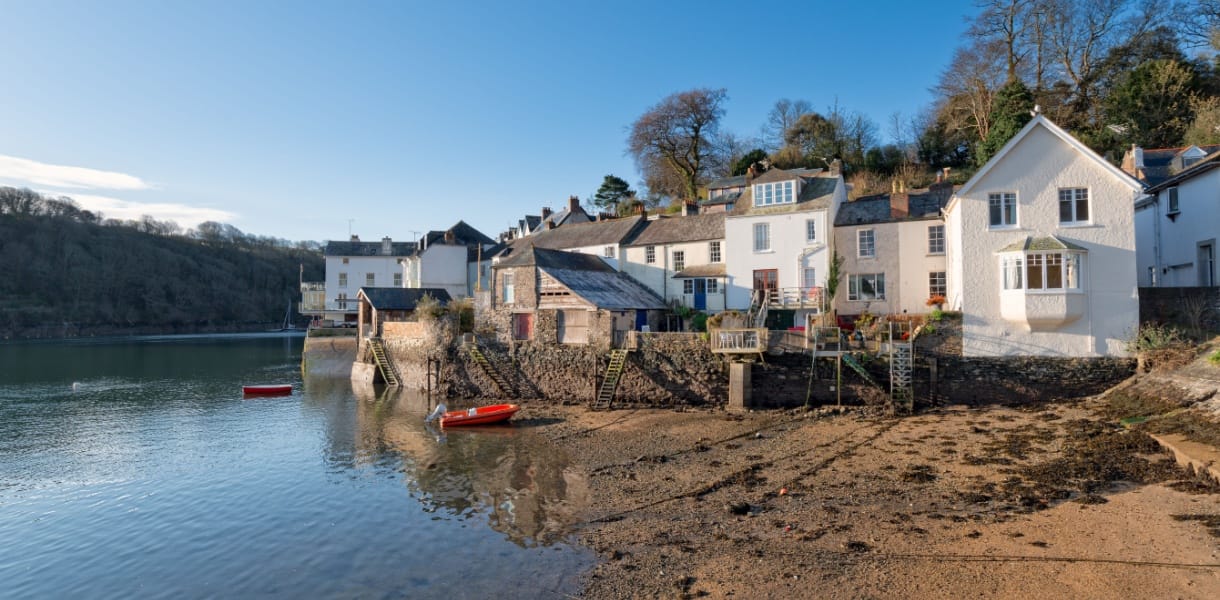
The South West is the sort of region that makes you think very hard about how much annual leave you have left. It has beaches that look like they belong in a travel brochure, market towns that seem built for wandering, and enough local delicacies to keep you in cream teas and pasties until you start wondering if you will ever fit back into your trousers.
It is also a region with a knack for making history feel lived-in. Castles are still part of the skyline, harbours still welcome working boats, and market days still have the same slightly chaotic energy they must have had a century ago.
Here are six towns that capture the South West’s particular magic: Totnes, Sidmouth, St Ives, Fowey, Shaftesbury and Bradford-on-Avon.
Totnes
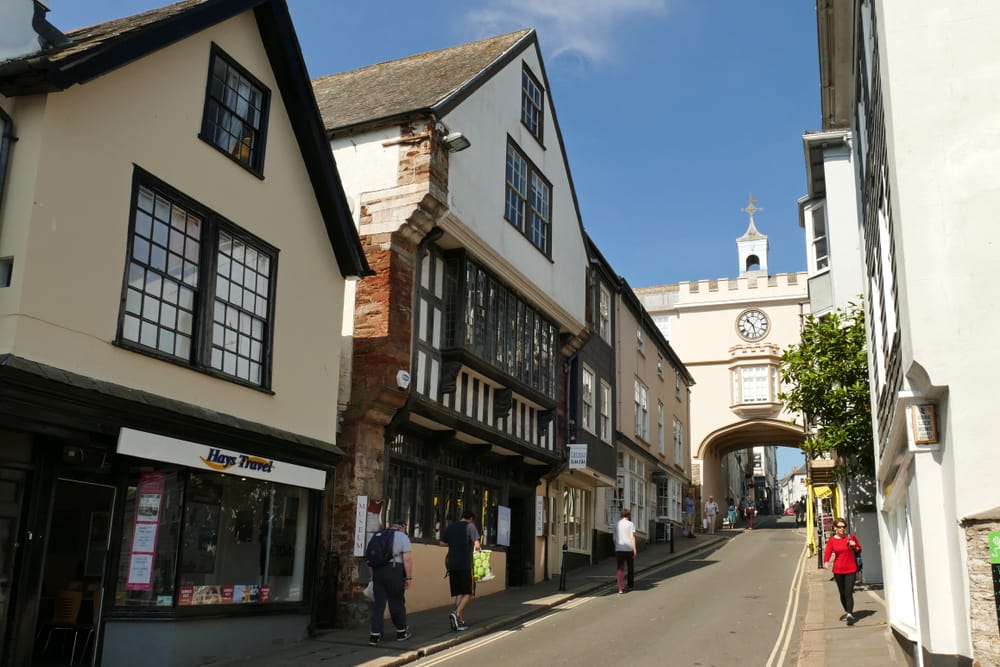
Totnes is a market town with a river on one side, a castle on the other, and a pleasantly eccentric personality in between. It is the sort of place where you can buy hand-dyed wool, a jar of raw honey, and a Tibetan singing bowl all within a ten-minute stroll.
The high street is steep, cobbled in parts, and lined with a mix of medieval buildings and independent shops that seem determined to be anything but ordinary. The market, held every Friday and Saturday, is a glorious jumble of antiques, food stalls, and the occasional busker who may or may not be wearing shoes.
Down by the River Dart, life slows further. You can watch the tide creep in, take a boat trip, or simply sit with a coffee and wonder how much it would cost to move here permanently.
Sidmouth
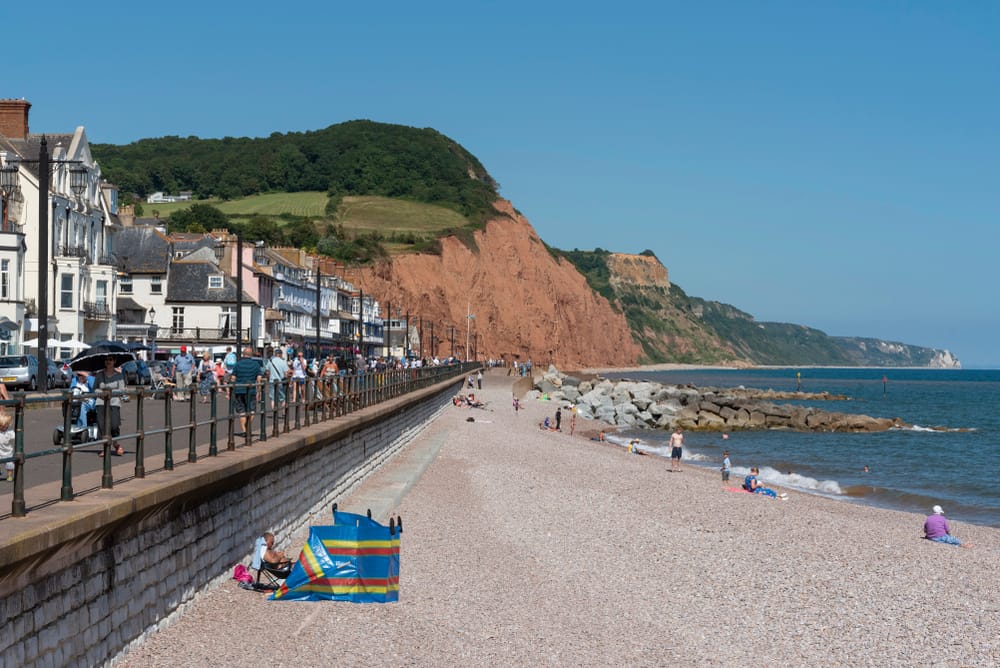
Sidmouth is a seaside town with a Regency façade and red cliffs that look particularly good in late-afternoon sunlight. The promenade curves gently along the pebble beach, where the waves make that soft rattling sound that is somehow more soothing than the crash of surf.
The town centre is small but well stocked with bookshops, cafés, and the kind of old-fashioned sweet shops that sell fudge by the slab. Sidmouth has a genteel air without being in the least bit dull; a place where you can take afternoon tea, go for a bracing coastal walk, and still be back in time for a pint before dinner.
It is also on the Jurassic Coast, which means you can mix your ice cream with a spot of fossil hunting if the mood takes you.
St Ives
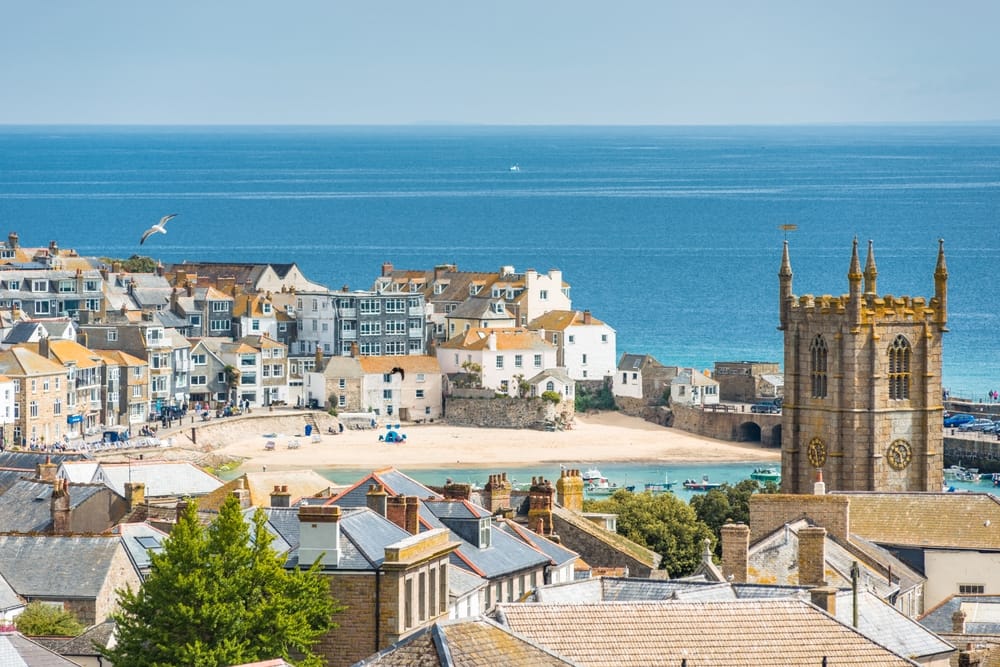
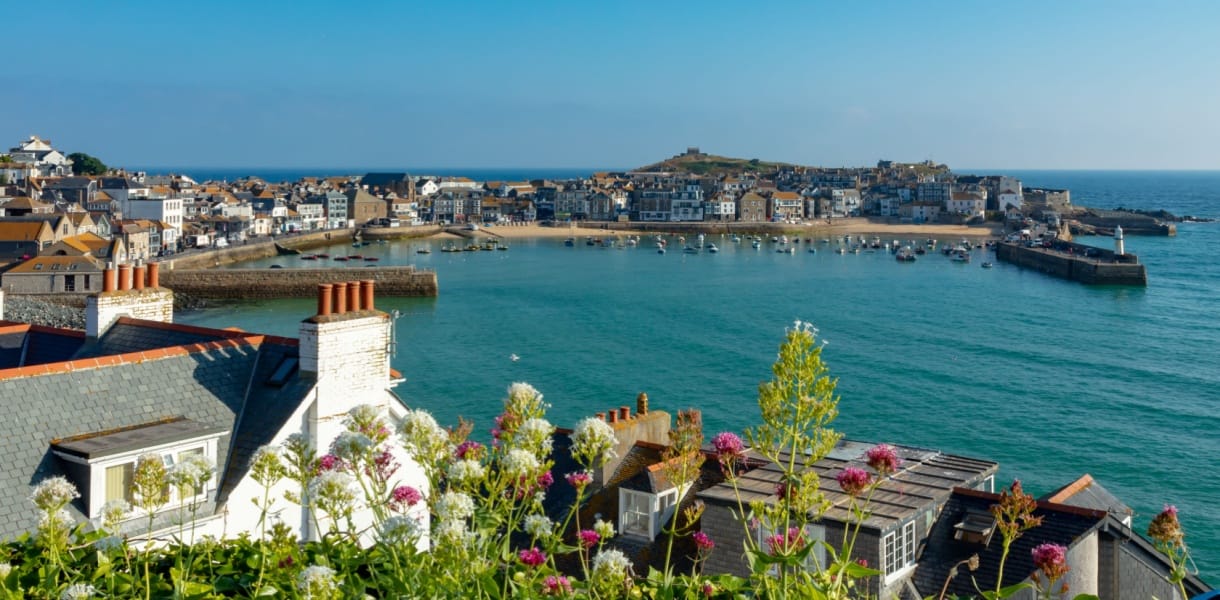
St Ives is so photogenic that it should probably come with a warning. The harbour is a curve of golden sand and turquoise water, fringed by fishing boats that bob just enough to remind you they are still working vessels. The lanes behind are narrow and twisting, with whitewashed cottages, art galleries, and the occasional smell of fresh-baked pasties.
Artists have been coming here for decades, drawn by the light that seems to make every colour just a little more vivid. The Tate St Ives and the Barbara Hepworth Museum keep that creative legacy alive, and even if you have no interest in art, the views alone are worth the trip.
At low tide you can walk across to the tiny island with its chapel and lookout, the whole harbour spread out like a postcard behind you.
Fowey
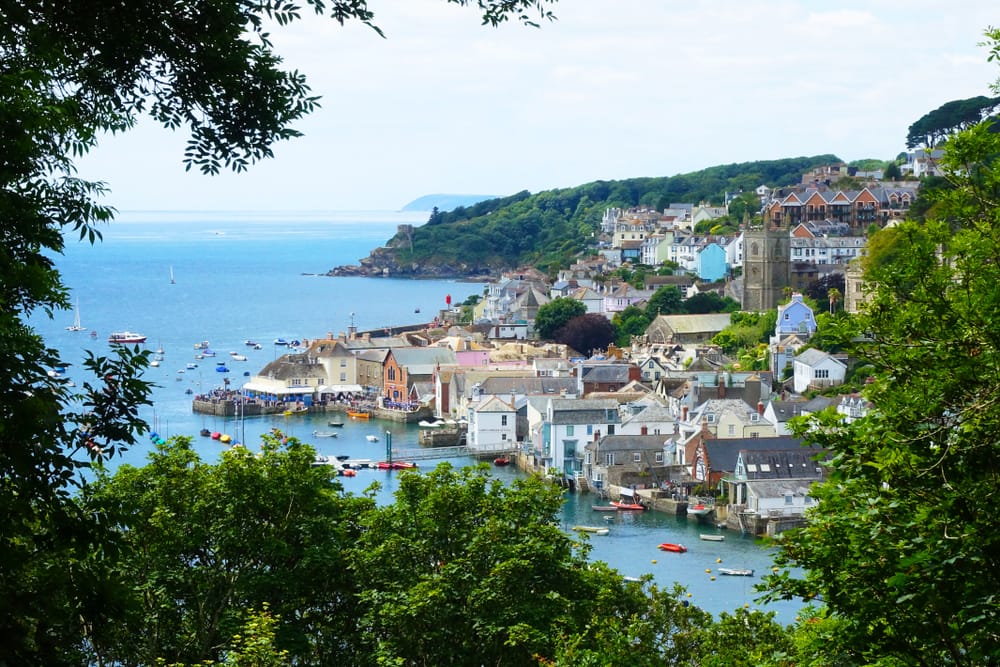
Fowey sits on the edge of an estuary so pretty it could be the set for a period drama. The narrow streets are lined with shops, pubs, and houses that seem to lean towards the water as if eager to join in the gossip from the quay.
The town has strong literary connections – Daphne du Maurier lived here, and her presence still lingers in the form of bookshops and an annual literary festival. You can take a boat across the river to Polruan, walk the coast path to secluded coves, or simply sit on the harbour wall watching the yachts and fishing boats come and go.
Fowey manages to feel both lively and unhurried, which is no small feat.
Shaftesbury
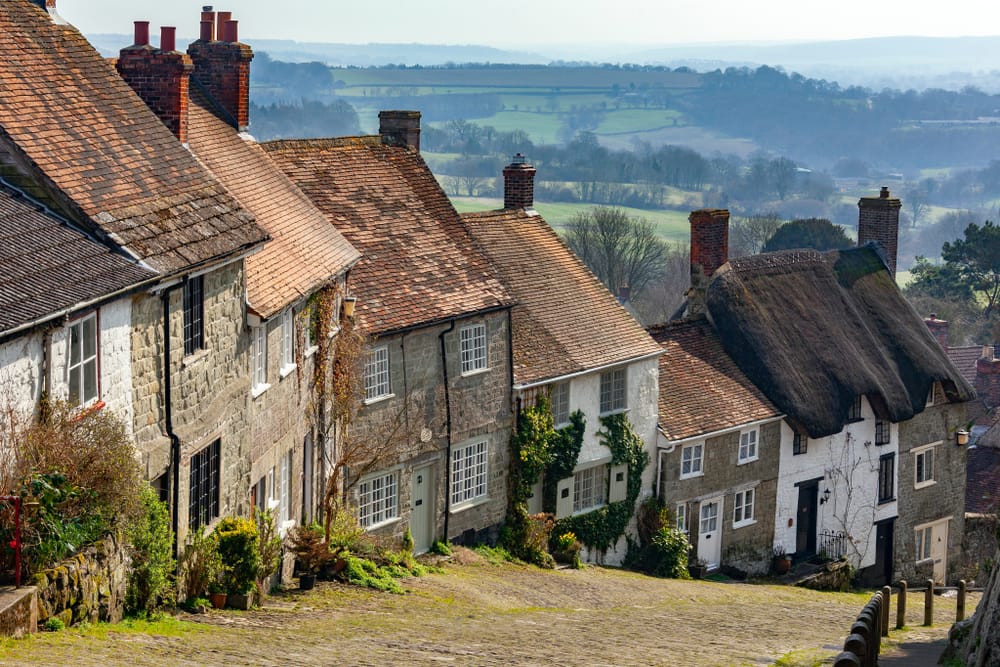
Shaftesbury is famous for Gold Hill, a cobbled, postcard-perfect slope so steep it looks like it could double as a ski run if Dorset ever gets enough snow. The view from the top, over the patchwork of fields beyond, is one of the best in England.
The rest of the town is just as appealing, a mix of stone cottages, independent shops, and small cafés that make a fine base for exploring the surrounding countryside. Shaftesbury sits high on a hill, which means there is always a breeze and a sense that you are just a little removed from the rush of the world below.
It is also an excellent place for a slow, ambling day, with enough corners and side streets to keep you happily distracted.
Bradford-on-Avon
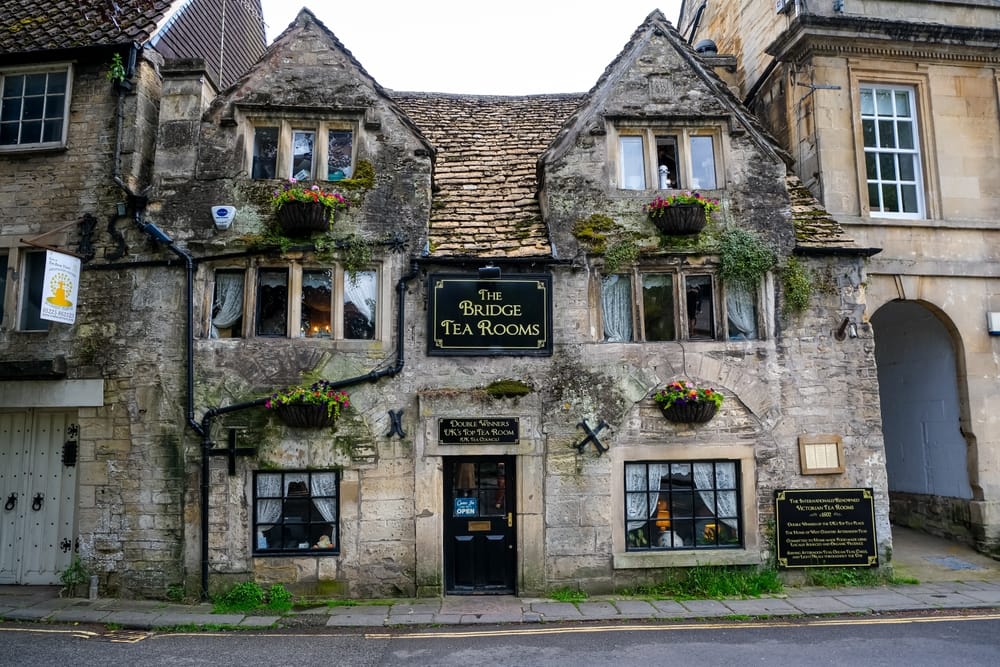
Bradford-on-Avon is the sort of town that seems to have been built with no thought for modern traffic – and is all the better for it. Honey-coloured houses cluster around a medieval bridge, its arches mirrored in the slow-moving Avon.
The streets climb steeply on either side, revealing hidden courtyards, ancient churches, and views that seem to get better with every step. The riverside is dotted with cafés and pubs, and the old Saxon church of St Laurence is worth a detour just to marvel at how it has survived so intact.
Bradford-on-Avon feels like the kind of place where you could pop in for a coffee and end up staying all afternoon.
Why the South West is a master of the slow reveal
These six towns are proof that the South West does not have to try too hard to be irresistible. Totnes’s quirky market bustle, Sidmouth’s red cliffs and Regency calm, St Ives’s harbour and artistic flair, Fowey’s literary charm, Shaftesbury’s hilltop drama, and Bradford-on-Avon’s honey-stone riverside all show different sides of a region that is as varied as it is beautiful.
The best way to enjoy them is without a plan. Let yourself be sidetracked by a view, a shop window, a sudden whiff of something delicious. In the South West, the journey and the destination are often one and the same.