Staffordshire is one of those quietly varied counties where you can go from rolling countryside to industrial heritage to adrenaline rides all in the same day. It is a place of canals and castles, pottery and peaks, where England’s long love affair with making things (and occasionally screaming while dropping from great heights) continues at a perfectly steady pace.
The locals seem content to let the rest of the country rush around while they get on with the serious business of making teapots, breeding oatcakes, and keeping the gardens looking immaculate.
Potteries, plates and the fine art of ceramics
For many, Staffordshire is forever linked with The Potteries – the string of towns that make up Stoke-on-Trent and its surrounding area. This was once the heart of England’s ceramic industry, producing everything from bone china to everyday mugs. Famous names like Wedgwood, Royal Doulton, Spode and Moorcroft all hail from here.
Today you can still visit working potteries, factory shops, and museums that proudly display several centuries’ worth of plates, cups, teapots and vases. The Gladstone Pottery Museum offers a wonderfully preserved glimpse of how it all worked, complete with towering bottle kilns and surprisingly fiddly demonstrations.
Canals, towpaths and England’s watery highways
Staffordshire’s industrial success relied heavily on its canals, many of which remain in fine working order for people who prefer their holidays to move at about three miles per hour. The Trent and Mersey Canal, the Staffordshire and Worcestershire Canal, and the Caldon Canal all thread their way through peaceful countryside, villages and old industrial towns.
Walking the towpaths or watching narrowboats negotiate the locks is one of the county’s more hypnotic pastimes, best enjoyed with a slow stroll and a sandwich.
Castles, stately homes and plenty of deer
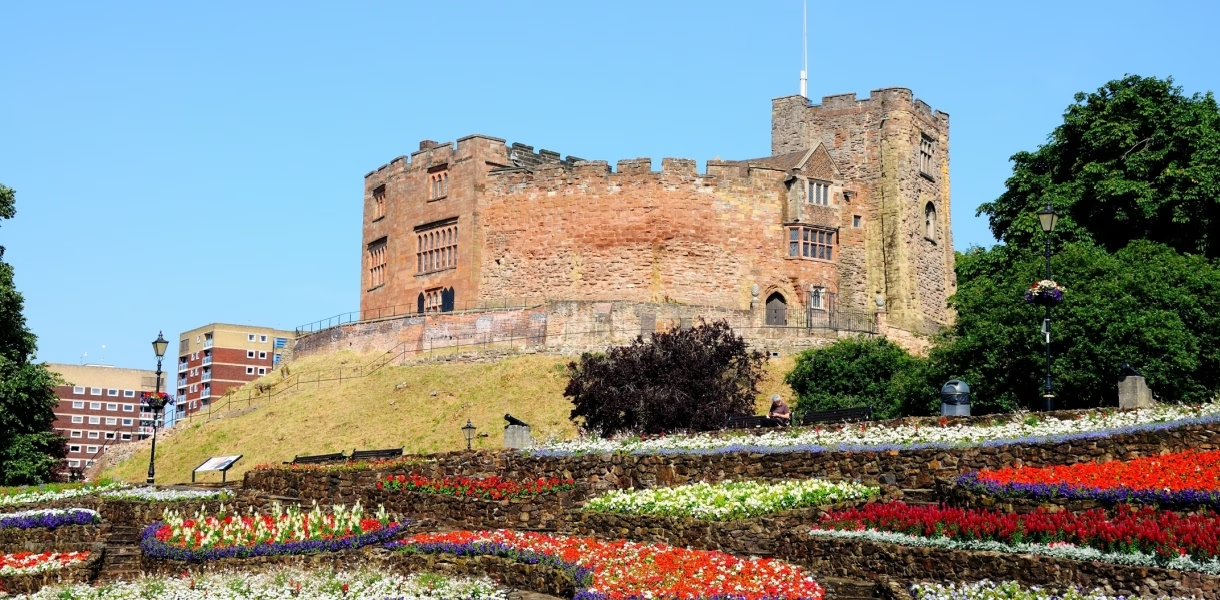
Staffordshire has its share of castles and grand houses too. Tamworth Castle sits neatly in the centre of Tamworth, complete with Norman towers and fine views over the River Tame. At the other end of the scale, Shugborough Estate offers grand rooms, sweeping gardens and enough classical follies to keep even the most dedicated walker busy.
The National Trust’s Biddulph Grange Garden is one of England’s more unusual horticultural surprises, a Victorian garden tour of the world, featuring Chinese pagodas, Egyptian temples and Himalayan glens, all within a short walk.
Cannock Chase, an official Area of Outstanding Natural Beauty, offers rolling hills, ancient woodland, and a healthy population of deer who seem only mildly curious about passing visitors.
Peaks, moorland and a touch of the wild
In the north of the county, Staffordshire tips into the Peak District, where the landscape grows rockier, the air gets fresher, and walkers head out across The Roaches, a fine stretch of gritstone ridge with wide views and the occasional dramatic photo opportunity.
The nearby Manifold Valley and Dovedale provide gentler walks, famous stepping stones and plenty of spots for picnics that inevitably attract hungry ducks.
Theme parks, thrills and a change of pace
In complete contrast to all the calm countryside, Staffordshire is also home to Alton Towers – one of Britain’s biggest theme parks, where rollercoasters twist and loop through forested hills, and the screams of delighted visitors echo across the estate. For those preferring smaller thrills, Drayton Manor offers family-friendly rides, a zoo, and slightly less dramatic G-forces.
Where England mixes industry with scenery
Staffordshire is one of those counties that quietly balances several versions of England at once. It offers green hills, deep roots in craftsmanship, surprisingly elegant gardens, and just enough rollercoasters to keep things lively. After a few days here, you may find yourself oddly impressed by how well it all fits together.
10 best reasons to visit Staffordshire
1) The Potteries and the sheer glory of proper ceramics
Stoke-on-Trent and its neighbouring towns helped shape how Britain ate, drank, and showed off to guests. Staffordshire made the mugs, the plates, the teapots and the fancy best china, and it did it at a scale that powered industry and still echoes today. Even if you have never thought about a teacup in your life, you will here.
- Getting here: Train to Stoke-on-Trent, then local buses and taxis around the Potteries
- Facilities: Museums, factory shops, cafés, toilets, parking (varies by site)
- Best time to go: Year-round, especially on a rainy day when indoor culture feels heroic
- Time needed: Half a day to a full day
- Don’t miss: A factory shop stop, because you will leave with “just one mug” and nobody believes that
2) Gladstone Pottery Museum and the bottle kiln time machine
Some museums tell you about history. Gladstone shows you how it actually felt, with preserved workshops, towering bottle kilns, and demonstrations that make you appreciate the fiddly skill involved in turning wet clay into something that survives daily life. It is wonderfully atmospheric and slightly sooty in spirit, as it should be.
- Getting here: Stoke-on-Trent area, easiest by car or taxi from the station
- Facilities: Café, toilets, shop, guided tours (often available)
- Best time to go: Weekdays for a quieter visit
- Time needed: 2 to 3 hours
- Don’t miss: The bottle kilns and the live demonstrations
3) Trent and Mersey Canal and a slower way to see England
Staffordshire’s canals are the county’s quiet superpower. Towpaths drift through countryside and old industrial edges, narrowboats glide at three miles per hour, and locks provide gentle theatre for anyone who enjoys watching a system work properly. It is calming, hypnotic, and oddly satisfying.
- Getting here: Good access from towns like Stone and Great Haywood, plus plenty of parking spots and bridges to join from
- Facilities: Pubs and cafés along popular stretches, benches and viewpoints in places
- Best time to go: Spring to early autumn for long walking days
- Time needed: 1 to 4 hours
- Don’t miss: A canal-side pub lunch, ideally within sight of a lock
4) Shugborough Estate and the art of grand countryside living
Shugborough is Staffordshire doing elegance. You get a stately home, sweeping parkland, gardens, and enough classical oddities to keep you happily wandering, including follies that exist purely because someone once had money and imagination. It is a full day out, in a pleasingly unhurried setting.
- Getting here: Near Great Haywood, best by car, with buses available from Stafford and nearby towns
- Facilities: Café, toilets, shop, gardens, family-friendly trails
- Best time to go: Late spring to autumn for gardens and longer walks
- Time needed: 3 to 5 hours
- Don’t miss: The riverside walks and the ornamental monuments dotted around the grounds
5) Biddulph Grange Garden and a Victorian trip around the world
Biddulph Grange is one of England’s great garden surprises. It is a Victorian idea of the world in garden form, with themed areas and quirky transitions that make it feel like you are wandering through someone’s very confident imagination. It is beautiful, strange, and extremely memorable.
- Getting here: Near Stoke-on-Trent and Congleton, easiest by car
- Facilities: Café, toilets, shop, accessible routes in parts
- Best time to go: Late spring to early autumn for peak colour
- Time needed: 2 to 3 hours
- Don’t miss: The sudden shifts in scenery as you move between the themed sections
6) Cannock Chase and deer-filled woodland days
Cannock Chase is where the county exhales. It is a proper stretch of woodland and heath, full of trails, big skies, and deer that behave as if they pay the rent. It is brilliant for walking, cycling, and getting that slightly smug “I’ve been in nature” feeling without needing a map and a survival whistle.
- Getting here: Easy by car, with access points near towns like Cannock and Rugeley
- Facilities: Car parks, cafés at main hubs, waymarked routes, bike hire in places
- Best time to go: Autumn for colours, spring for fresh green, year-round for a reset
- Time needed: 2 to 4 hours
- Don’t miss: Spotting deer, and pretending it was effortless
7) The Roaches and Peak District gritstone drama
In the north, Staffordshire edges into the Peak District, and the landscape sharpens into ridges, rock and wide views. The Roaches is the headline act, a rugged gritstone ridge with paths that feel properly adventurous without being overly dramatic. On a clear day, it is the kind of place that makes you forget your phone exists.
- Getting here: Near Leek, best by car, or by bus to nearby villages then a walk
- Facilities: Limited on the ridge itself, so bring water and snacks
- Best time to go: Spring and early autumn for the best walking weather
- Time needed: 2 to 4 hours
- Don’t miss: The views from the ridge and the sudden silence when the wind drops
8) Tamworth Castle and the joy of history in the middle of town
Tamworth Castle sits right in the centre, which feels very efficient. You can do shops, lunch, and a Norman castle without breaking stride. Inside, you get proper castle atmosphere, a sense of the town’s long story, and views over the River Tame that remind you why people built castles in the first place.
- Getting here: Train to Tamworth, then a short walk
- Facilities: Museum displays, nearby cafés, town-centre amenities
- Best time to go: Year-round, especially as a half-day historic detour
- Time needed: 1.5 to 3 hours
- Don’t miss: The views from the towers and the town’s riverside setting
9) Alton Towers and the county’s cheerful whiplash effect
Staffordshire is calm, scenic and historic right up until it suddenly is not. Alton Towers is the loud, thrilling exception, with rollercoasters threading through woodland and an atmosphere of delighted chaos. It is a full-on day out, and it is very good at what it does.
- Getting here: Near Alton, best by car, with limited public transport options
- Facilities: Rides, restaurants, toilets, shops, hotels, gardens
- Best time to go: Weekdays outside school holidays for shorter queues
- Time needed: Full day
- Don’t miss: A wander in the gardens if you need to recompose yourself between rides
10) Market towns, canalside pubs and Staffordshire oatcakes
Staffordshire’s smaller places are part of the appeal. Towns like Stone and Leek have markets, independent shops and that lived-in English feel where the day revolves around errands, a cup of tea and a chat. Add a canalside pub lunch, and you have a very convincing day out. Then there are Staffordshire oatcakes, which are basically the county’s edible handshake.
- Getting here: Easy by car, with rail links to Stafford and Stoke-on-Trent and buses beyond
- Facilities: Markets, cafés, pubs, shops, parking (varies by town)
- Best time to go: Weekends for market atmosphere
- Time needed: Half a day
- Don’t miss: Trying oatcakes properly, preferably warm, and preferably more than one