
Summer is when the UK remembers it is absurdly good-looking. Coasts glow, hills soften, harbour towns get a little smug, and even the most sensible inland county starts behaving as though it has a brochure to live up to. These scenic summer breaks are the places that feel especially rewarding when the days are long and the views are doing their level best to show off.
Quick takeaways
- Best for coastal scenery: Northumberland coast, Pembrokeshire, Norfolk coast, County Antrim coast
- Best for mountain and big landscape drama: Scottish Highlands, Isle of Skye, Eryri, Cairngorms
- Best for gentler pretty scenery: Cotswolds, Yorkshire Dales
- Best for islands: Skye, Mull
- Best for road trips: Scottish Highlands, County Antrim coast, Jurassic Coast
- Best for walking breaks: Lake District, Yorkshire Dales, Pembrokeshire, Eryri
- Best for a scenic short break with villages and food stops: Cotswolds, Yorkshire Dales, West Cornwall
- Best for summer beach time with views: Gower, Norfolk coast, Northumberland coast, Pembrokeshire
Scenic summer breaks in the UK that make the most of the season
There are summer breaks, and then there are summer breaks in the UK, which often involve standing on a cliff path, a lakeshore, or the edge of a village green thinking this is all rather wonderful, while also trying to keep hold of a hat, an ice cream, and any sense of certainty about the forecast.
Still, when Britain gets summer right, it is difficult to beat. The coast turns theatrical. Valleys go lush and green. Harbour towns become busier, brighter, and somehow more pleased with themselves. Even places that are perfectly attractive in other seasons begin to look as though they have spent the rest of the year quietly preparing for this moment.
What the UK does especially well is scenic variety. It does not rely on one sort of beauty. It offers mountain drama, rolling countryside, big open coastlines, island light, old stone villages, castle-backed beaches, winding estuaries, and roads that seem to have been laid purely for the convenience of people wanting to say goodness me every five minutes.
So here are some of the best scenic summer breaks in the UK, chosen for views, atmosphere, and that useful ability to make a few days away feel far more restorative than they strictly have any right to.
The Lake District
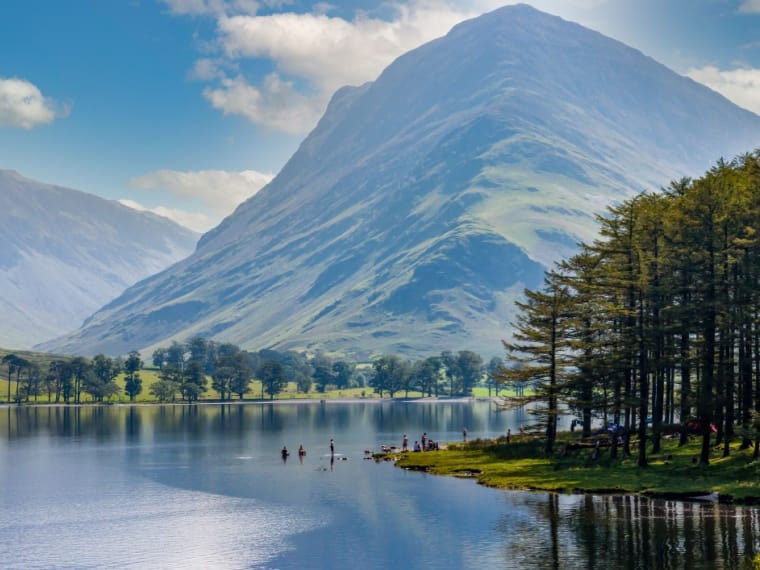
The Lake District in summer is almost absurdly lovely. The lakes shine, the fells rise in soft, elegant folds, and the stone villages look as though they have been arranged with unusual care by someone who understands the emotional importance of a decent tearoom.
This is one of Britain’s great scenic all-rounders. You can spend a few days walking above Derwentwater, taking a boat on Ullswater, pottering around Grasmere, or simply driving from one remarkable view to another. The landscapes have scale, but they also have intimacy. You get the big panoramas, certainly, but you also get churchyards, garden walls, little bridges, and lanes lined with hedges and sheep.
A summer break here works because it can be as active or as idle as you like. You can climb something heroic and feel virtuous, or you can sit by a lake with lunch and claim to be absorbing the landscape in a more reflective manner.
Northumberland coast
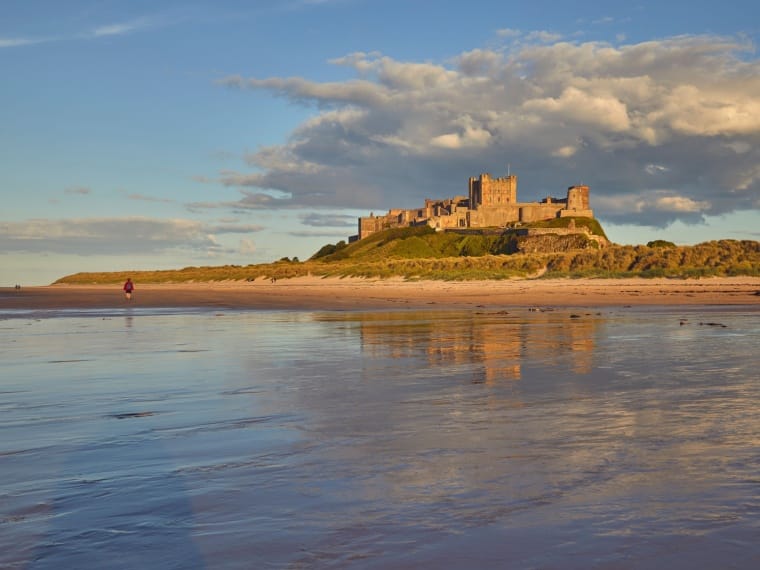
The Northumberland coast has the kind of scenery that arrives with a certain confidence. It knows exactly what it is doing. Long beaches stretch out beneath giant skies, dunes roll behind the sand, and castles appear at intervals as if the county is gently reminding you that ordinary pretty is not really enough for it.
Bamburgh is the obvious star, and quite right too. Castle and beach together make a scene of almost unreasonable grandeur. But the whole coastline is full of places that linger in the mind. Embleton Bay, Low Newton, Seahouses, and the approach to Holy Island all have that glorious sense of space that makes even a short walk feel like a proper escape.
In summer, the light is one of the great pleasures here. It gives the sand a pale glow, sharpens the line of the castles, and makes the whole coast feel broad, airy, and oddly restorative.
Pembrokeshire
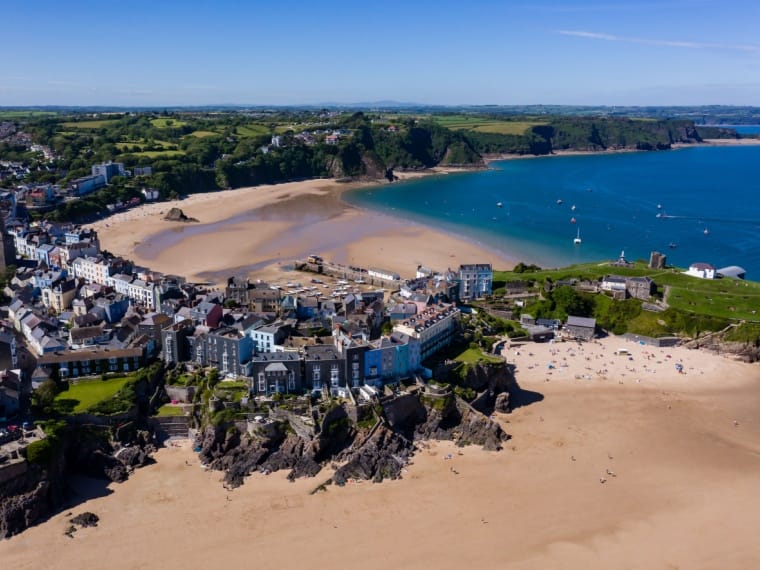
Pembrokeshire in summer can look almost implausibly cheerful. The sea keeps changing colour. The cliffs fold into secret coves. The beaches sweep out in pale crescents. On a bright day, it all looks so inviting that you begin to suspect Wales has been holding out on people.
What makes Pembrokeshire especially satisfying is the combination of grand scenery and small-scale charm. You can spend the morning on the coast path gazing at sea cliffs and offshore rocks, then drop into places like Solva, St Davids, Newport, or Tenby and find harbours, cafés, galleries, and exactly the sort of lunch that feels deserved.
It is ideal for people who want their scenic break to feel a little varied. There is walking, beach time, boat-trip potential, handsome towns, and enough visual drama to make even a short drive between places feel like part of the holiday.
The Scottish Highlands
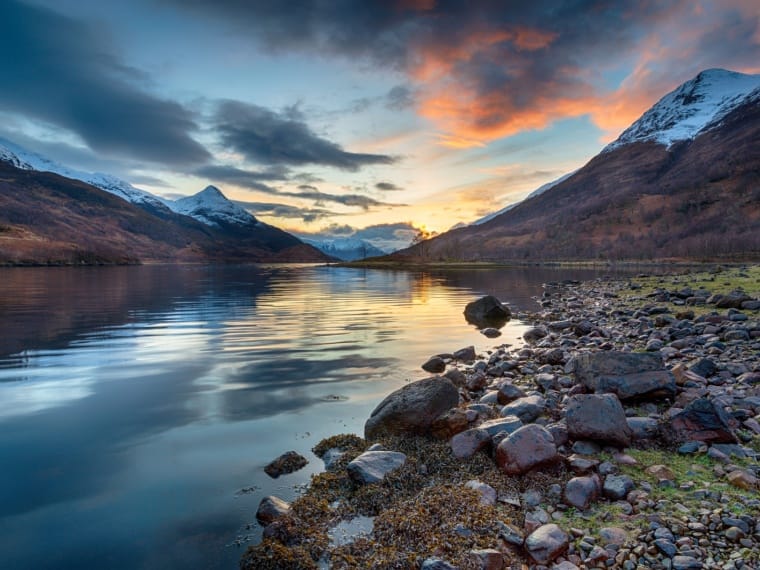
The Highlands do not really understand the concept of moderation. They do glens, mountains, lochs, and roads that swing through landscapes so dramatic you start to wonder whether the entire region has been art-directed.
Summer suits the Highlands particularly well because the long days give the scenery room to stretch out. Glencoe has its famous dark grandeur, certainly, but even quieter corners can be astonishing. A lochside road, a green valley, a scattering of pines, a far-off ridge under changing light, and suddenly you are having a full emotional experience in a lay-by.
This is one of the best scenic summer breaks in the UK for people who enjoy movement. It rewards driving, stopping, wandering, and changing course on a whim because the next glen looks interesting. It has that thrilling sense that the landscape is always just about to become even more dramatic, and usually does.
The Yorkshire Dales
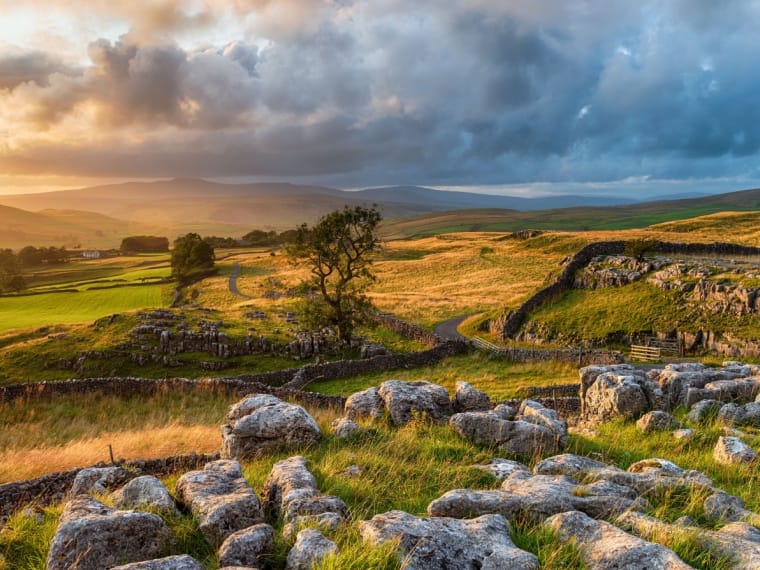
The Yorkshire Dales are not dramatic in the same way as the Highlands or Skye, but that is part of their charm. This is beauty with composure. Limestone scars, green valleys, dry-stone walls, rivers, and old villages all come together in a landscape that feels deeply settled and deeply attractive.
In summer, the Dales seem to ease into themselves. Meadows brighten, rivers catch the light, and villages such as Grassington, Reeth, Kettlewell, and Muker look at their absolute best. There is a calmness to the scenery here that makes a short break feel unusually restorative, especially if you combine it with a walk, a pub lunch, and a slightly unnecessary slice of cake.
What the Dales do especially well is detail. The views are lovely from a distance, but the real pleasure is in the texture of the place. Barns in fields, stepping stones across rivers, sheep in impossible positions, and roads that bend gently through valleys as though no one has ever needed to be in a hurry.
The Isle of Skye
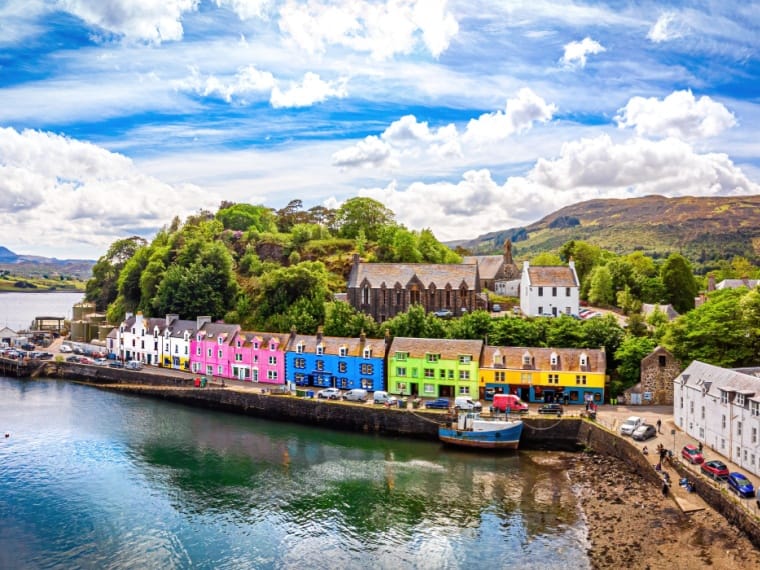
Skye has the sort of scenery that makes people speak in slightly hushed tones, partly from awe and partly because they are trying not to sound overexcited. Jagged mountains, strange rock formations, moody lochs, and wild coastlines give it the kind of visual drama that feels almost excessive.
The Trotternish Peninsula is packed with famous shapes and outlooks, while the Cuillin provide one of the most stirring backdrops anywhere in Britain. Even the ordinary roads here seem to have acquired better scenery than they strictly need.
Summer is one of the most rewarding times to visit because the island’s colours soften and brighten. The greens are greener, the sea gleams, and the long evenings make the whole place feel less forbidding and more inviting. That said, it remains Skye, so a degree of weather-related unpredictability is part of the arrangement.
The Jurassic Coast
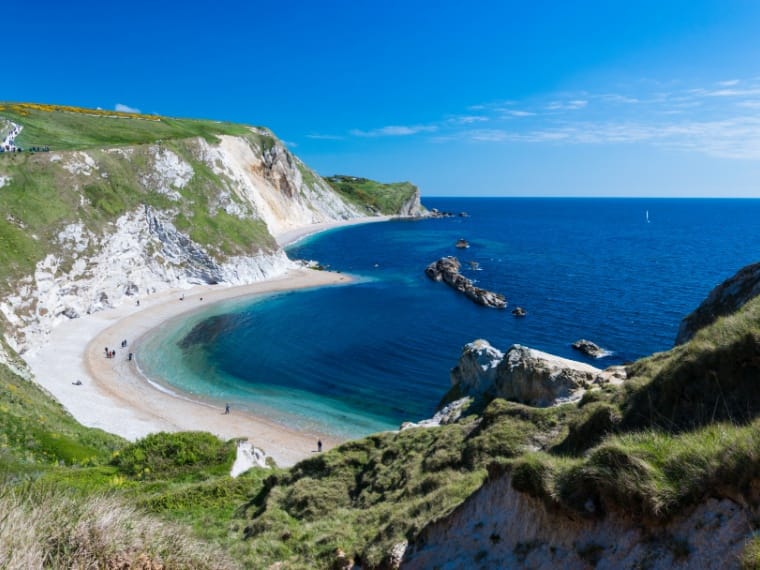
The Jurassic Coast has the highly appealing habit of combining natural beauty with the constant suggestion that the cliffs may also contain something ancient and interesting. Which is a strong combination. Dorset and East Devon offer a succession of coves, beaches, arches, cliffs, and seaside settlements that make summer road trips and walking breaks feel particularly easy to justify.
Durdle Door and Lulworth Cove are the poster images, but this stretch of coast is full of memorable scenery. The red cliffs around Sidmouth, the golden views near West Bay, the sweeping bays around Lyme Regis, and the up-and-down clifftop routes between them all create a break that feels open, bright, and full of sea air.
It is especially good for travellers who like their scenic break to come with plenty of simple pleasures. Seafront strolls, fish and chips, easy beach time, and the occasional windswept cliff path all fit rather well here.
Eryri
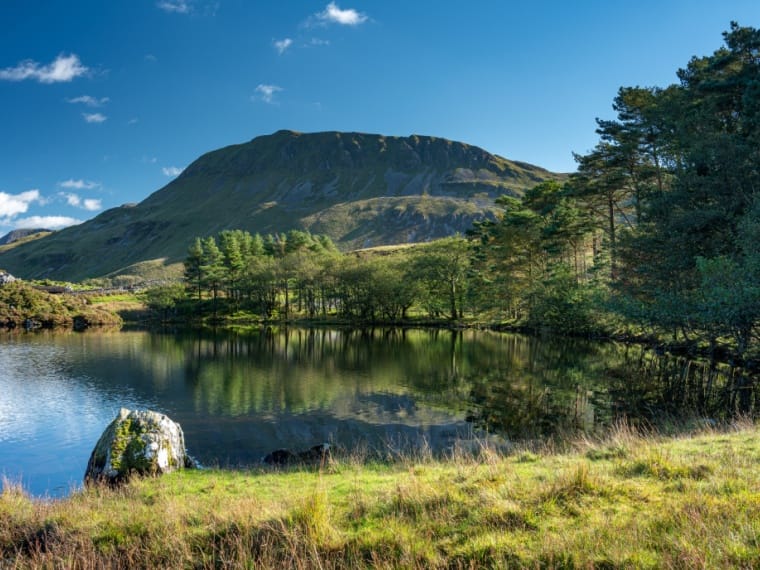
Eryri in summer is a glorious tangle of mountain ridges, lakes, waterfalls, valleys, and stone-built villages. It has the sort of scenery that changes quickly and often. One moment it is gentle and green, the next it has gone full mountain theatre.
Places like Beddgelert, Betws-y-Coed, Bala, and Llanberis provide characterful bases, while the wider landscape offers enough variety to fill several breaks without repeating yourself. You can take a heritage railway, walk around a lake, venture onto a mountain path, or simply drive through the national park in a permanent state of mild admiration.
What makes Eryri particularly good in summer is that the landscape feels alive rather than severe. The mountains still provide grandeur, but the season adds softness, colour, and a more welcoming mood.
The Cotswolds
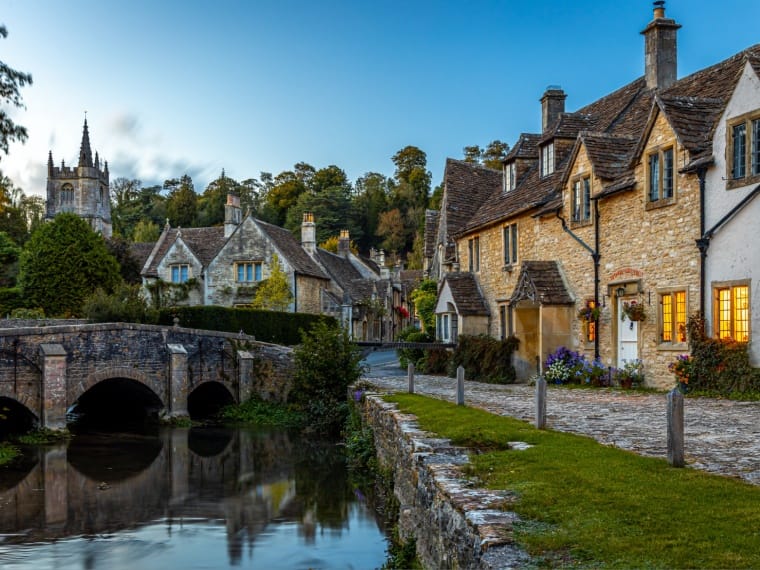
The Cotswolds are scenic in a polished, quietly persuasive way. They are not trying to stun you with cliffs or peaks. Instead they offer honey-coloured stone, rolling countryside, little rivers, garden walls, village greens, and market towns that look as though they are in a long-running and successful relationship with summer.
A break here is about ease. Broadway, Burford, Bibury, Stow-on-the-Wold, and Bourton-on-the-Water all lend themselves to the sort of lingering that is one of the great pleasures of warm-weather travel. You stroll, browse, stop for lunch, admire a church tower, wander into a shop selling things you do not need, and somehow the entire day disappears in a very agreeable way.
The scenery is gentler than in some of the wilder corners of the UK, but there is a great deal to be said for that. Not every scenic summer break has to involve scrambling over rocks or peering heroically into the distance from a headland.
The Norfolk coast
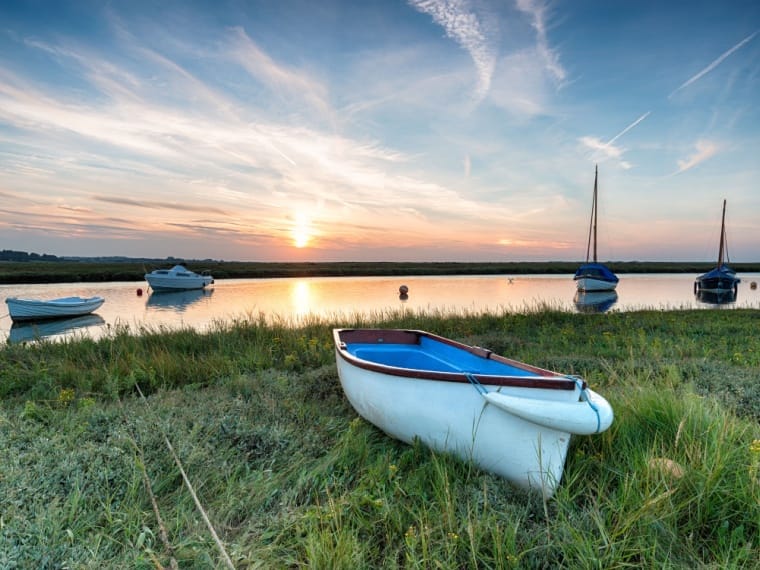
The Norfolk coast has one of the best qualities a summer break can have, which is spaciousness. The beaches are broad, the skies are huge, the marshes stretch out in quiet layers, and the whole region seems to encourage a slower sort of breathing.
Wells-next-the-Sea, Holkham, Blakeney, Cley, and Burnham Overy Staithe all contribute to the appeal. There are sandy beaches backed by dunes and pines, salt marshes full of birdlife, old harbours, and long coastal walks where the horizon seems pleasingly far away.
This is scenic beauty without fuss. It does not need to dazzle you every moment because it knows the accumulated effect of all that open space is just as powerful. By the second day, you tend to feel calmer whether you meant to or not.
County Antrim coast
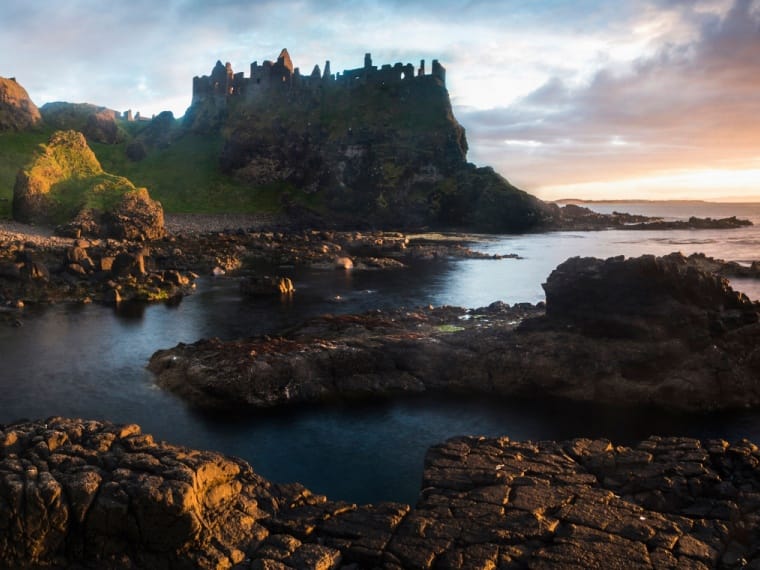
The County Antrim coast is one of those places that gives a road trip a genuine point. Cliffs rise sharply, glens cut inland, beaches appear unexpectedly, and the sea keeps turning up beside you looking dramatic and windswept.
Giant’s Causeway is the famous stop, naturally, but it is far from the only one. Ballintoy, Cushendun, Cushendall, and the Torr Head route all offer striking views, and the coastline has a rugged shape that gives the whole region great visual energy. You are rarely far from another headland, another curve of beach, or another village tucked under the hills.
In summer, it is especially rewarding because the greenery deepens, the sea can look surprisingly bright, and the long daylight hours make it easier to take the scenic route at every opportunity, which here is almost all of them.
The Isle of Mull
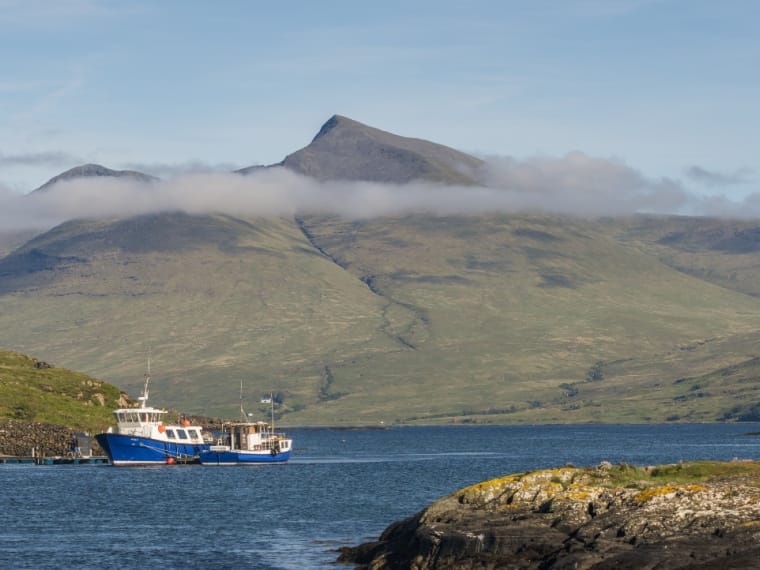
Mull has that wonderful island quality of feeling both remote and welcoming at the same time. The scenery shifts between mountains, lochs, beaches, forests, and coastlines with cheerful generosity, while the island’s size gives you proper room to explore.
Tobermory provides the postcard colour and harbour charm, but the wider island is the real prize. A summer break here can include quiet beaches, sea views that seem to go on forever, wildlife spotting, and roads that reveal one unexpectedly lovely scene after another. It feels wilder than many mainland destinations, but not forbiddingly so.
There is also something deeply satisfying about island pace. Mull encourages you to slow down a little, accept the weather as a conversational topic, and spend more time looking at the landscape than checking what comes next.
The Gower Peninsula
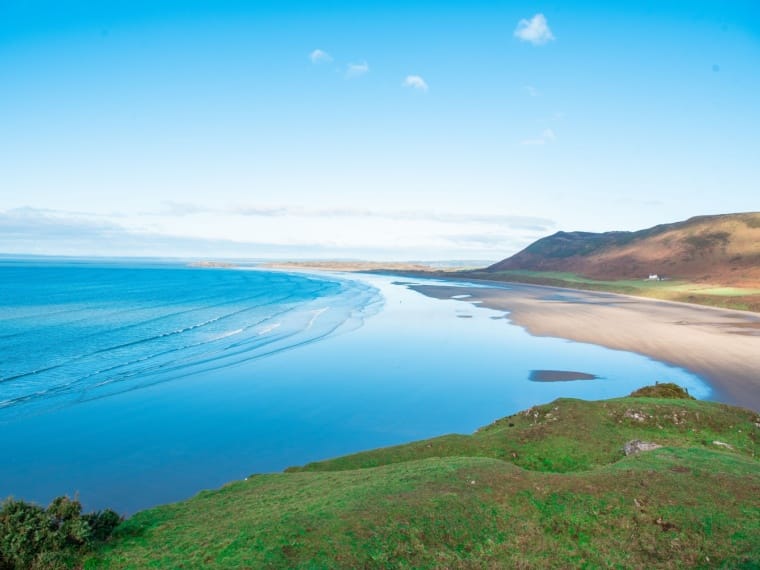
The Gower is one of the best places in Britain for people who want dramatic coast scenery without having to commit to somewhere especially remote. It delivers cliffs, bays, beaches, ridges, and broad views in highly persuasive quantities.
Rhossili Bay is the great headline act, with its long sweep of sand and big Atlantic outlook, but the peninsula is full of lovely corners. Three Cliffs Bay has one of the most distinctive coastal settings in the country, Oxwich brings a softer kind of beach beauty, and the coast path links everything together with a pleasing amount of sea air and visual reward.
A summer break here feels open and invigorating. It is the kind of place that makes you want to walk further than planned simply because every bend appears to reveal another excellent reason to continue.
The Cairngorms
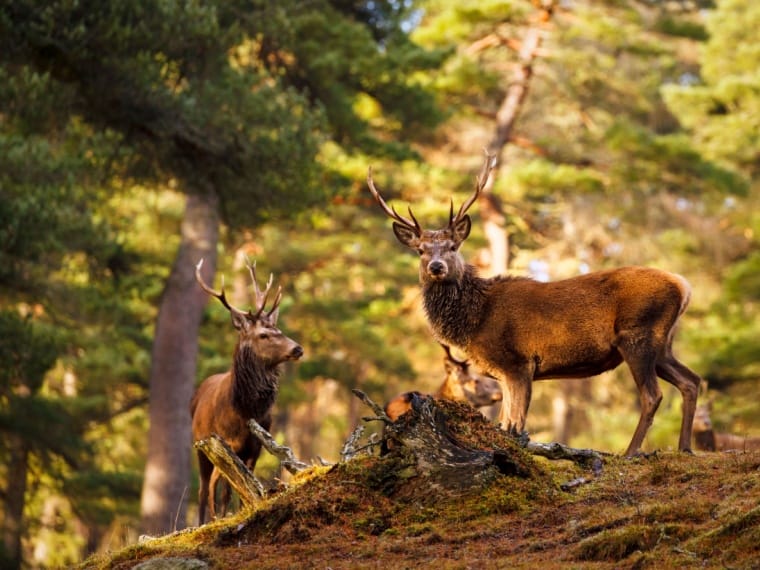
The Cairngorms offer a more spacious, expansive form of scenic beauty than some other Highland regions. There are mountains, yes, but also forests, rivers, moorland, lochs, and glens that feel broad and breathable rather than relentlessly theatrical.
In summer, the region becomes especially inviting. The heather is not yet at its late-season peak, but the long days, greener tones, and lighter evenings make scenic drives and outdoor exploring feel wonderfully easy. Villages such as Ballater, Braemar, and Aviemore make practical bases without taking attention away from the landscape itself.
This is a very good choice for a summer break that leans into outdoorsy calm. It has enough grandeur to satisfy, but also enough quiet space to feel restful rather than overwhelming.
West Cornwall
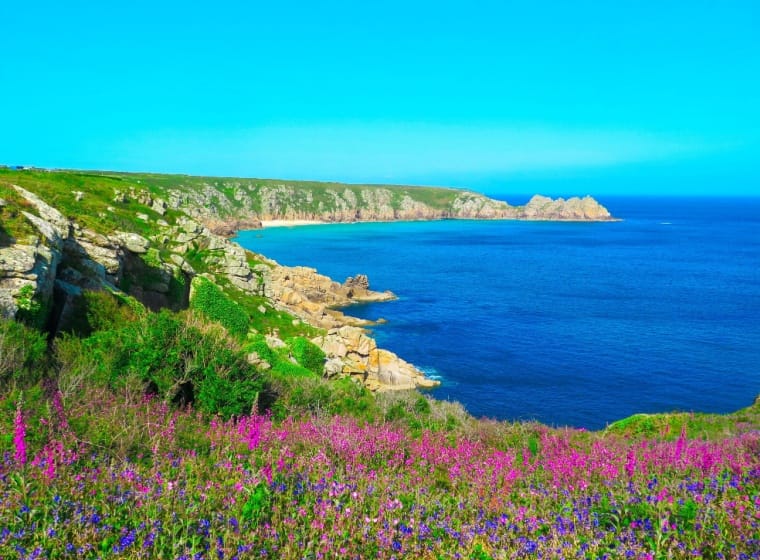
West Cornwall has a weathered, sea-battered beauty that feels entirely its own. Clifftop paths, old engine houses, fishing towns, hidden coves, and granite headlands combine to create scenery with texture, mood, and a slightly windswept sort of charisma.
St Ives brings beaches, art, and light that has lured painters for good reason. Mousehole and Penzance add character, while the wider coast towards Land’s End feels rougher, older, and wonderfully elemental. Even when the place is busy, the scenery retains a certain wildness, as though it has better things to do than become too polished.
Summer suits it beautifully. The sea brightens, the coves glow, and the whole region feels animated in a way that is deeply appealing. It is scenic, certainly, but never blandly pretty. It has edge.
Final thoughts
The best scenic summer breaks in the UK work because they do more than simply offer a nice view. They give you atmosphere, texture, local character, and enough variation to make a few days away feel genuinely different from ordinary life. One place gives you cliffs and castles. Another gives you lakes and fells. Another gives you open beaches, old harbours, or a landscape so green and settled it seems to have been perfected over centuries.
That is part of Britain’s charm in summer. It does not give you one version of beauty repeated endlessly. It gives you a whole collection of them, each with its own accent, weather habits, architectural preferences, and views on what constitutes a proper lunch.
And when the season is in a generous mood, which it sometimes is, these places can feel less like convenient holiday ideas and more like reminders of quite how much scenery this small, occasionally damp, frequently lovely country has managed to fit into itself.