
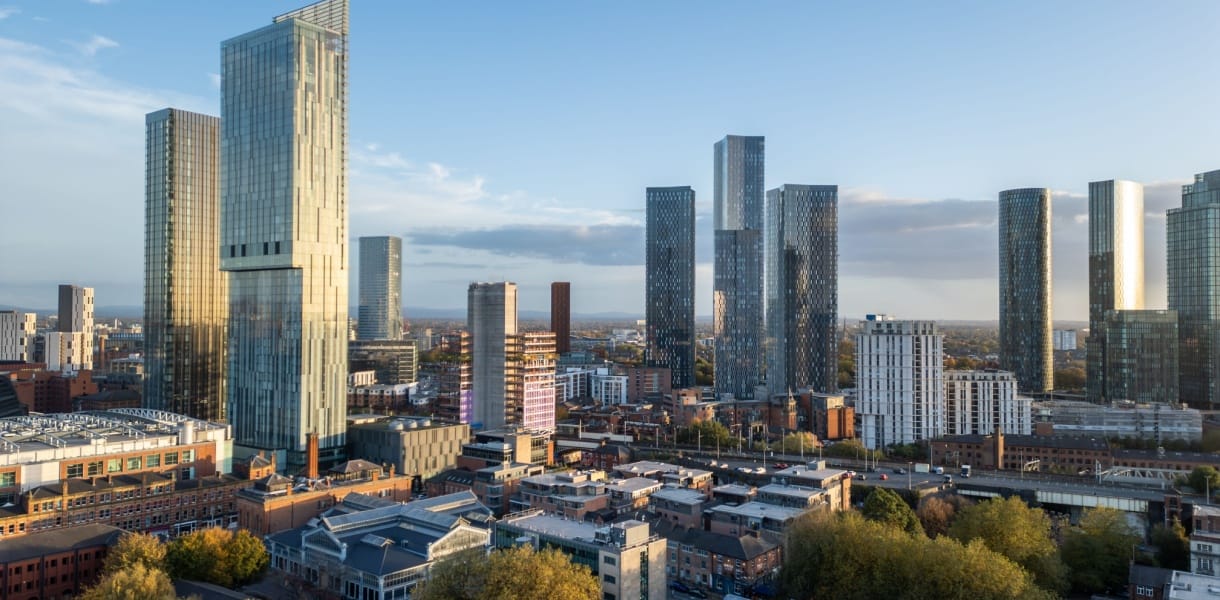
North West England is one of those regions that seems incapable of doing anything by halves. It has mountain scenery of almost unreasonable confidence, cities that helped remake the modern world, coastlines that shift from grand estuaries to long sandy reaches, industrial towns full of grit and memory, and enough cultural weight to keep several other regions feeling mildly insecure. This is the part of England where lakes, mills, docks, football, poetry, railways, chimneys, ship canals, Roman remains and rain all ended up in unusually productive conversation with one another.
What makes the North West so satisfying for visitors is not just its famous highlights, though it has plenty of those. It is that the region has range without losing identity. You can spend one day in a city of warehouses, music and civic swagger, the next among stone villages and fells, and the next by a broad estuary or a Victorian seaside front, and still feel that you are travelling through one recognisable corner of England. It is a region built on weather, work, movement and ambition, and it remains gloriously full of all four.
Quick takeaways
- Best for
Big scenery, great cities, literary landscapes, industrial heritage, music history and varied short breaks - Known for
The Lake District, Manchester, Liverpool, Chester, industrial history, football, coastline and grand northern drama - Don’t miss
Liverpool, Manchester, the Lake District, Chester, the Furness or Cumbrian coast and one of the region’s great industrial heritage sites - Best base ideas
Manchester, Liverpool, Chester, Keswick, Windermere and Lancaster - Ideal trip length
Four to seven days for a first trip, longer if you want both the cities and the Lake District done properly - Best time to visit
Late spring and early autumn for the best balance of scenery and ease, though the cities work year round and the Lakes are beautiful in almost any weather if you dress sensibly
The region at a glance
North West England stretches from the Scottish border down to the edge of the Midlands, taking in Cumbria, Lancashire, Greater Manchester, Merseyside and Cheshire. From a visitor’s point of view, it is one of England’s strongest regions because it contains both some of the country’s grandest landscapes and some of its most important cities, without forcing you to choose between them.
The northern part of the region is dominated by Cumbria and the Lake District, where fells, lakes, passes and valleys give the North West its most famous scenic face. To the south and west, Lancashire adds mill towns, seaside history, market towns and broad rural stretches, while Cheshire brings Roman and medieval history, prosperous towns and a gentler, greener sort of elegance. At the urban heart of the region sit Manchester and Liverpool, two cities with enormous cultural and industrial significance, each with a very clear idea of itself and very little interest in being mistaken for the other.
For visitors, this is a region that works brilliantly for mixed trips. It can do a city break, a walking holiday, a literary escape, a coastal run, a railway heritage trip or a broad touring holiday linking cities, countryside and old industrial landscapes. More than some regions, it rewards contrast. The North West is at its best when you let one kind of place throw another into sharper relief.
Why this region matters
From Roman Chester to industrial power
North West England matters because it helped shape both the old story of England and the modern one. Roman power left important marks here, especially around Chester, whose walls, street pattern and military origins still help explain its shape and stature. The region’s medieval inheritance survives in cathedral cities, castles, market towns and old rural landscapes, but it was the rise of trade, industry and transport that truly gave the North West its great historical weight.
Mills, docks, canals and modern Britain
This was one of the regions where industrial Britain became unmistakably visible. Lancashire’s cotton towns, Manchester’s mills and warehouses, Liverpool’s docks and maritime reach, Cheshire’s canals and salt country, the furnaces, foundries, rail links and engineering works across the wider region all helped build the modern world in brick, smoke and astonishing self-belief. Manchester became one of the great industrial cities of Europe. Liverpool grew into one of the world’s most significant ports. The movement of raw materials, goods and people through the region was immense, and the built landscape still shows it. Warehouses, terraced streets, civic halls, canals, viaducts, stations, dock structures and factory buildings remain part of the everyday scenery.
Where industry meets dramatic landscape
Yet the industrial story never sits alone. The North West is one of the best examples in England of how dramatic landscape and modern industry ended up sharing the same regional frame. The Lake District, now associated with Romantic poetry, fell walking and postcard quantities of mist, was also shaped by farming, mining, slate, quarrying and hard upland labour. Its beauty has always had work behind it. The same is true in different ways across the Pennine fringe and the old industrial valleys, where scenery and labour coexist rather than cancelling each other out.
Cities, culture and living history
The region’s cultural importance is just as striking. Liverpool and Manchester are not simply large northern cities. They are places that have repeatedly shaped music, politics, sport, design, media and the national imagination. Liverpool carries the memory of empire, migration, maritime life and musical reinvention. Manchester brings industrial radicalism, civic ambition, scientific inquiry, publishing, football and its own long record of doing things in a more forceful manner than strictly necessary. Even the smaller places carry weight. Chester remains one of England’s most appealing historic cities. Lancaster has legal and political history plus a strong hill-and-estuary setting. The Cumbrian towns and villages, meanwhile, sit inside one of the most storied landscapes in Britain.
What makes this region especially rewarding now is that the layers are still legible. The docks still explain Liverpool. The canals and warehouses still explain Manchester. The sheepfolds, slate, stone villages and old routes still explain the Lakes. The seaside piers, promenades and towers still explain parts of Lancashire’s coast. Visitors do not need to imagine the region’s past from scratch. Much of it is still standing around in plain view, usually in excellent scenery and often in the rain.
Why the North West still matters
North West England matters because it contains one of England’s fullest regional combinations. It gives you industrial power, maritime reach, literary landscapes, world-famous cities, mountain country, football cathedrals, Roman remains and old seaside culture, all in one connected part of the country. It is not subtle, perhaps, but then some places are too busy being important.
What makes it special today
Cities that still carry real weight
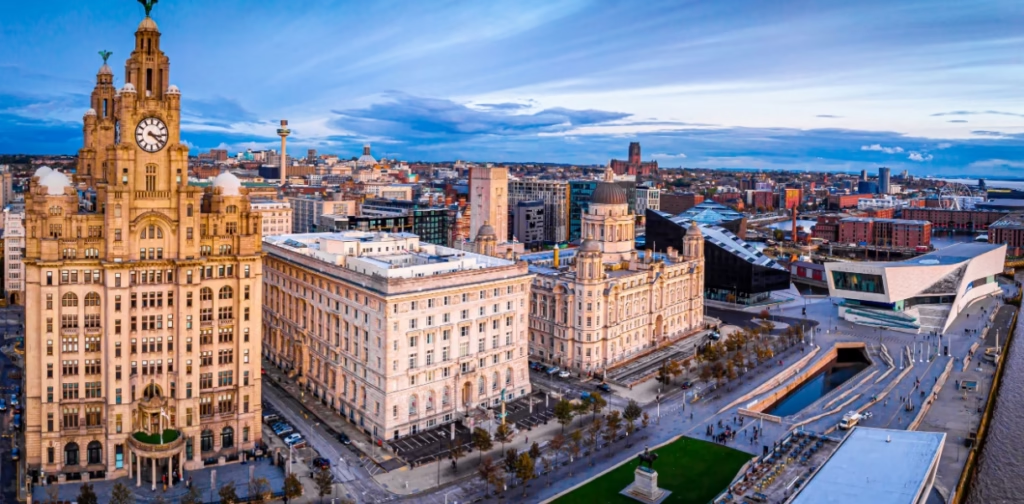
Manchester and Liverpool are two of the strongest urban destinations in Britain, and one of the North West’s great advantages is that they are close enough to make comparison part of the pleasure. Manchester feels expansive, driven and full of red-brick confidence. Liverpool feels broader, more maritime and theatrically handsome, with the Mersey and the waterfront giving it a scale that is hard to ignore. Chester offers a very different urban mood, all walls, Roman traces, black-and-white frontages and historic ease. Together, they make the North West one of the best regions in England for city-based exploring.
Landscapes with grandeur and substance
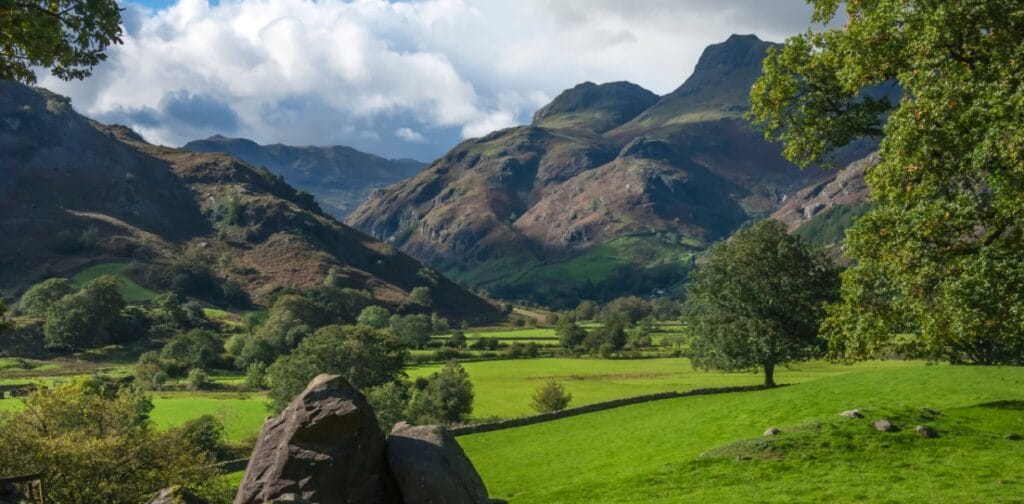
The Lake District is the region’s great scenic trump card, though reducing the North West to the Lake District would be like describing Liverpool as a place with some decent pavements. Cumbria brings the obvious grandeur, but the region’s wider landscapes matter too. There is the coastal drama of west Cumbria, the softer rural stretch of Cheshire, the Pennine-edge country around east Lancashire and the estuarial openness around Morecambe Bay and the Mersey. This is scenery that changes register often, which is one reason trips here rarely feel flat.
Industrial heritage that still shapes the place
The North West remains one of the best regions in Britain for visitors who like to understand how modern urban life was made. Mills, canals, docks, warehouses, rail infrastructure, workers’ districts and civic architecture all survive in substantial form. Some have been polished into culture quarters and visitor attractions. Others simply remain there, still doing the useful work of explaining the place. The region does not have to pretend its history is charming in every detail. It is often more interesting than charming.
Literature, music and regional imagination
The Lake District gave England some of its most famous literary scenery, shaped by Wordsworth and a whole tradition of looking at mountains, weather and daffodils with very serious feeling. Liverpool and Manchester gave the world music scenes that altered popular culture well beyond England. Across the region, local identity is reinforced by story, accent, song, sport and rivalry. Places here are rarely vague about themselves. That gives visitors something stronger than atmosphere. It gives them character.
Coastlines and edges with their own mood
The coast in the North West is more varied than outsiders sometimes realise. There is the grand estuarial theatre of the Mersey, the tidal breadth of Morecambe Bay, the Victorian and family-seaside traditions of Lancashire, and the darker, starker Cumbrian coast where industrial history and natural beauty meet in unexpectedly compelling ways. This is not England’s neatest coastal region, but it is one of its most interesting.
The different faces of the region
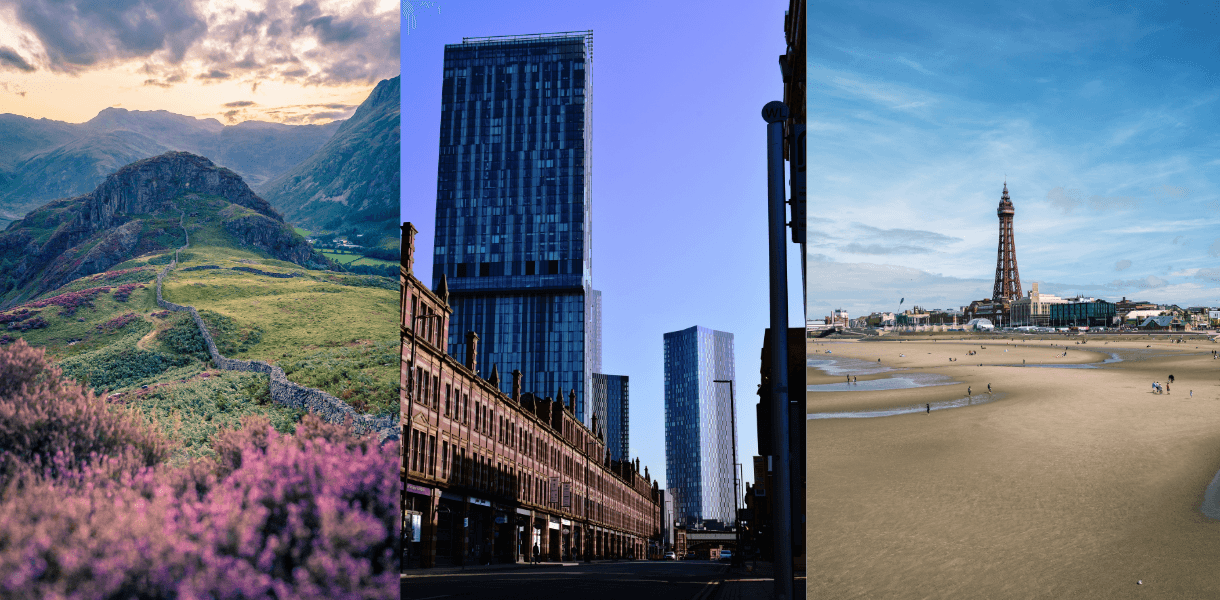
North West England works best when you stop imagining it as either all Lake District or all football and start seeing the different worlds within it. This is a region of lakes, fells, ports, mills, music, market towns, seaside resorts, industrial cities and unexpectedly gentle countryside.
Cumbria and the Lake District give the region its drama and mythology, with Keswick, Windermere, Ambleside, Kendal, Grasmere, Penrith and Whitehaven linking lakes, fells, stone villages, literary associations, scenic drives and longer countryside escapes.
Manchester and Greater Manchester bring the city energy. Manchester, Salford, Stockport, Bury and Rochdale carry industrial history, music, football, museums, food, nightlife and a built landscape that still remembers exactly what it once did for a living.
Merseyside and Liverpool add width, water and maritime confidence. Liverpool is the anchor, but Southport, Birkenhead, Formby and St Helens broaden the story with waterfronts, coastal edges, galleries, architecture, music and long connections to the sea.
Lancashire is one of England’s great under-sold counties, full of mill-town history, market towns, old seaside culture and broad rural stretches. Lancaster, Preston, Clitheroe, Blackburn, Blackpool and Burnley make it rewarding for industrial heritage, nostalgic coast and quieter touring.
Cheshire gives the region a more composed face, with Chester, Knutsford, Nantwich, Macclesfield and Congleton bringing Roman history, canals, handsome market towns, green countryside and easy city-and-rural breaks.
Counties within North West England
Cumbria
Cumbria is the region’s great landscape county, but it is more than a backdrop for photographs and expensive waterproofs. It has mountain passes, lake shores, old inns, working farms, market towns, coastal industry and a long record of making weather feel like part of the attraction.
- Key places
Keswick, Windermere, Ambleside, Kendal, Penrith, Whitehaven - Known for
The Lake District, fell walking, literary associations, stone villages and scenic drives - Standout attractions
Lake Windermere, Derwentwater, Ullswater, Scafell Pike area, Dove Cottage, Ravenglass and Eskdale - Best kind of visit
A scenic touring holiday, a walking break, or a longer region-and-landscape trip
Greater Manchester
Greater Manchester is where the North West’s industrial and urban energy is most concentrated. It offers one of Britain’s best city-break bases, but also a wider landscape of canals, old mill districts, football loyalties and towns that helped build modern urban life.
- Key places
Manchester, Salford, Stockport, Bury, Rochdale - Known for
Industry, music, football, museums, warehouses and cultural life - Standout attractions
Castlefield, the Science and Industry Museum area, Manchester Cathedral quarter, Old Trafford, Salford Quays - Best kind of visit
A city break with heritage, food, galleries and day-trip potential
Merseyside
Merseyside is shaped by the river and the port, and that maritime breadth still gives it a distinct feel. Liverpool provides the obvious magnetism, but the wider area adds coastline, parkland, suburban history and a broader sense of place than a weekend city break alone can show.
- Key places
Liverpool, Southport, Birkenhead, Formby, St Helens - Known for
The waterfront, The Beatles, maritime history, galleries and football - Standout attractions
The Royal Albert Dock, the Three Graces, the waterfront museums, Formby coast, Southport promenade - Best kind of visit
A cultural city break with maritime and coastal extras
Lancashire
Lancashire has more range than it is often given credit for. It can offer seaside spectacle, mill-town heft, estuary views, market-town charm and good access to both open countryside and old industrial landscapes.
- Key places
Lancaster, Preston, Blackpool, Clitheroe, Burnley, Blackburn - Known for
Industrial towns, Blackpool, market centres, old county identity and varied landscapes - Standout attractions
Blackpool Tower and promenade, Lancaster Castle, Forest of Bowland, Samlesbury Hall, Pendle country - Best kind of visit
A mixed heritage-and-scenery trip with some seaside thrown in
Cheshire
Cheshire gives the North West a calmer, greener note. It is a county of Roman foundations, market-town prosperity, canals, country estates and neatly self-assured places that do not feel the need to shout.
- Key places
Chester, Knutsford, Nantwich, Macclesfield, Wilmslow - Known for
Chester, canal country, market towns, rural affluence and gentle countryside - Standout attractions
Chester walls and cathedral, the Rows, Tatton Park, Little Moreton Hall, Anderton Boat Lift area - Best kind of visit
A historic town break or a softer-paced touring trip
Cities and towns to know
Cities worth knowing
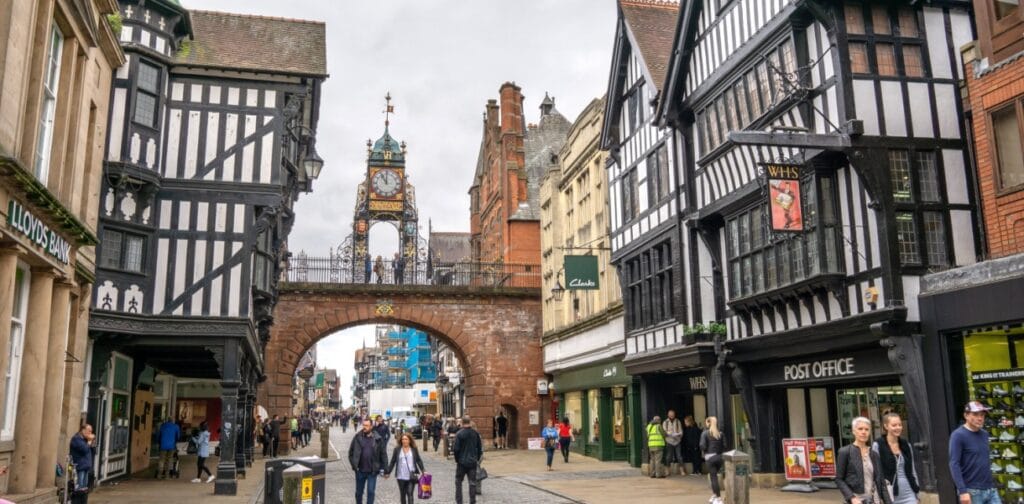
Manchester
The North West’s great powerhouse city, Manchester combines industrial grandeur, cultural ambition, football intensity and enough warehouses to remind you how the place made its money. It is one of the strongest city-break destinations in Britain.
Liverpool
Handsome, maritime and gloriously self-aware, Liverpool is a city of waterfront drama, music history, civic architecture and a warmth that helps make all the grandeur feel lived in rather than museum-like.
Chester
One of England’s most appealing historic cities, Chester has Roman roots, medieval and Tudor charm, strong walls and a compactness that makes it wonderfully easy to enjoy.
Lancaster
A smaller city with real depth, Lancaster combines castle, legal history, Georgian touches and a strong setting close to bay and hills.
Towns with particular character
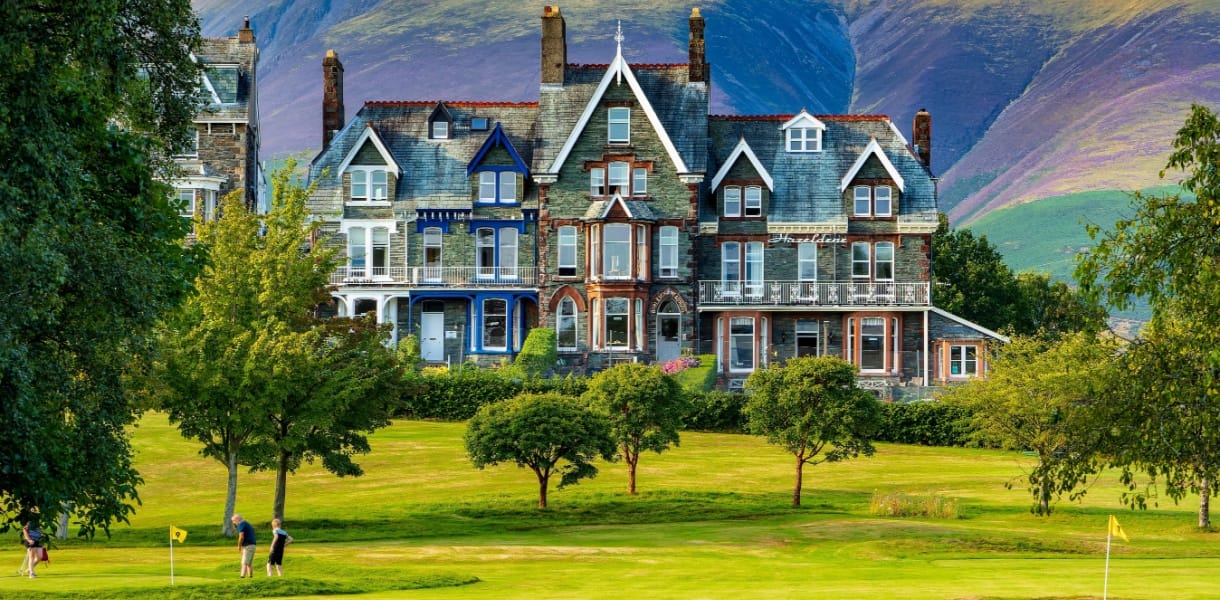
Keswick
One of the most likeable bases in the Lakes, with good access to scenery, enough useful shops and an air of competence in the face of hills.
Ambleside
Busy, scenic and full of walkers, Ambleside works well if you want Lake District atmosphere with plenty happening.
Blackpool
Brash, historic, eccentric and still oddly compelling, Blackpool remains one of the great English seaside experiences, whether or not one feels obliged to defend it.
Knutsford
Prosperous, polished and pleasantly easy on the eye, Knutsford offers Cheshire at its most composed.
Clitheroe
A sturdy Lancashire market town with a castle, good food options and useful access to hill country.
Southport
A classic seaside town with a slightly calmer, more measured feel than Blackpool, and all the more pleasant for it.
Major tourist attractions
Cathedrals, castles and historic buildings
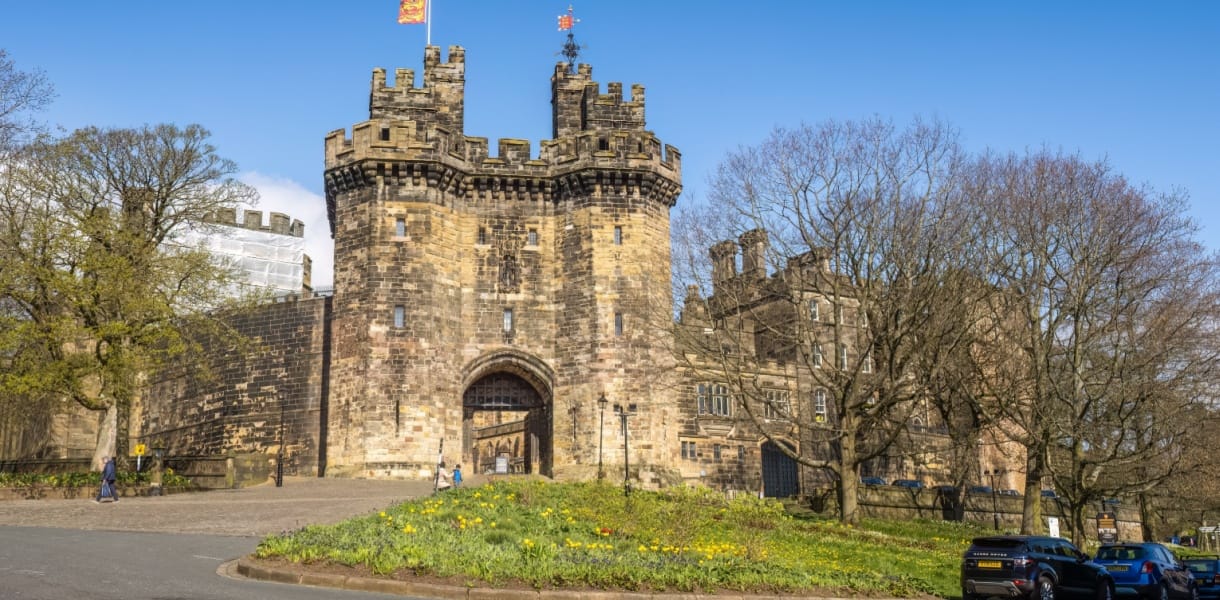
Chester Cathedral and city walls, Chester
A superb historic city ensemble that brings Roman foundations, medieval fabric and easy walkability together in one of the region’s strongest urban experiences.
Lancaster Castle, Lancaster
A powerful historic site that reminds visitors this smaller city carries more weight than its size might suggest.
Liverpool waterfront and the Three Graces
A defining urban set piece for the region, full of maritime confidence and civic scale.
Manchester Town Hall quarter and central warehouses
Even when individual buildings are under restoration or changing use, central Manchester’s architecture remains one of the clearest ways to understand its industrial-era ambition.
Industrial and cultural heritage
The Royal Albert Dock, Liverpool
A great way into the region’s maritime and trading story, and still one of the most visually satisfying dock ensembles in Britain.
Castlefield, Manchester
Canals, warehouses, bridges and transport history all stacked together in a way that explains industrial Manchester unusually well.
Quarry Bank area, Cheshire
A strong reminder that the North West’s landscape and industrial history have long been closely connected.
Black Country-style grit without leaving the North West
Not a single attraction, but a regional quality visible in mills, canal structures, stations, workers’ housing and old industrial districts across Lancashire and Greater Manchester.
Natural landmarks and scenic highlights
The Lake District
England’s grandest mountain and lake scenery, and still one of the region’s defining reasons to visit.
Morecambe Bay
A vast, shifting estuarial landscape with a distinct mood of openness and tide-led seriousness.
The Cumbrian coast
Less famous than the Lakes but full of interest, with sea views, industrial traces and a rougher-edged sort of beauty.
Forest of Bowland
A quieter scenic counterpoint to the better-known Lake District, excellent for slower exploring and road-based wandering.
Family favourites
Blackpool promenade and tower
Still one of the biggest family and nostalgia draws in the region, and a place that understands spectacle better than most.
Windermere lake cruises and lakeside towns
A strong family option if your group likes scenery without insisting on a six-hour hill walk.
Chester Zoo
One of the region’s major family draws and an easy addition to a Chester-based break.
How to plan a trip here
How long to stay
A long weekend works well if you focus on one strand of the region, such as Manchester and Liverpool, Chester and Cheshire, or one part of the Lake District. For a fuller first trip, four to seven days is far better. That gives you time to combine at least one major city with one scenic area and perhaps a stretch of coast as well.
Best bases
Manchester and Liverpool are the easiest urban bases, each strong enough to anchor a short break. Chester is ideal if you want history and a more compact pace. Keswick, Ambleside and Windermere all work for Lake District trips, with Keswick especially good for a more rounded scenic stay. Lancaster is an underrated option if you want access to both county history and the bay-and-hill country to the north.
Car or public transport
You can do the urban side of the region very well by rail. Manchester, Liverpool, Chester and Lancaster all work neatly that way. The Lake District is possible by train plus local buses, but a car gives you far more flexibility, especially if you want passes, smaller valleys, west Cumbria or mixed countryside and coastal days. The North West does not absolutely demand a car, but outside the main cities it often makes life much easier.
Best first-time route through the region
A very strong first trip would be Manchester, Liverpool and the Lake District. That gives you industrial and cultural heft, maritime grandeur and the region’s most famous scenery in one satisfying sweep. Another excellent route is Chester and Cheshire followed by Lancashire or the Lakes if you want a slightly calmer start before the larger landscapes arrive.
Best time to visit
Late spring and early autumn are especially good, when the landscapes look generous and the roads are usually less trying than in high summer. Summer is excellent for the Lakes and coast, though obvious hotspots get busy. Winter works surprisingly well for Manchester, Liverpool and Chester, especially if your ideal day includes museums, old pubs, good food and weather you can discuss afterwards.
Who this region suits best
It suits visitors who like dramatic contrast in one trip. It is especially good for people who want to combine cities with scenery, and for anyone interested in how landscape, labour, transport and culture all ended up shaping one another.
Best ways to experience the region
Best for a first visit
Combine one major city with one scenic base. Manchester and the Lakes works beautifully, as does Liverpool and Chester with a longer countryside extension.
Best for history lovers
Focus on Chester, Liverpool, Manchester and one or two industrial heritage sites, then add Lancaster or the Lakes for a different historical register. The region is unusually strong on Roman, medieval, maritime and industrial layers.
Best for scenery
Spend most of your time in Cumbria, but add either Lancaster, Chester or one city at the start or end. The contrast improves the whole trip.
Best for a long weekend
Choose one of these combinations and stay loyal to it
Manchester and Liverpool
Chester and Cheshire
One Lake District base with no heroic over-planning
Best for a week-long tour
Use two or three bases and let the region unfold in stages. City, landscape, then coast or smaller towns works particularly well here.
Best for city and countryside balance
Manchester and the Lakes is the classic pairing, but Liverpool and Cheshire or Lancaster and Cumbria are also very strong.
Final verdict
North West England has the useful habit of making a strong impression in several different ways at once. It can give you mountain scenery, world-shaped cities, Roman walls, working docks, literary valleys, seaside spectacle, industrial muscle and market-town calm, all within one region that still manages to feel coherent rather than overstuffed. That is not a small achievement.
What makes it memorable, though, is not simply the number of things it can offer. It is the force with which the place still carries its own story. This is a region built by trade, weather, invention, rivalry, labour and a certain amount of cheerful refusal to be overlooked. For visitors who like their travel rich in contrast and full of character, North West England is not just an easy recommendation. It is one of the strongest regional trips in the country.