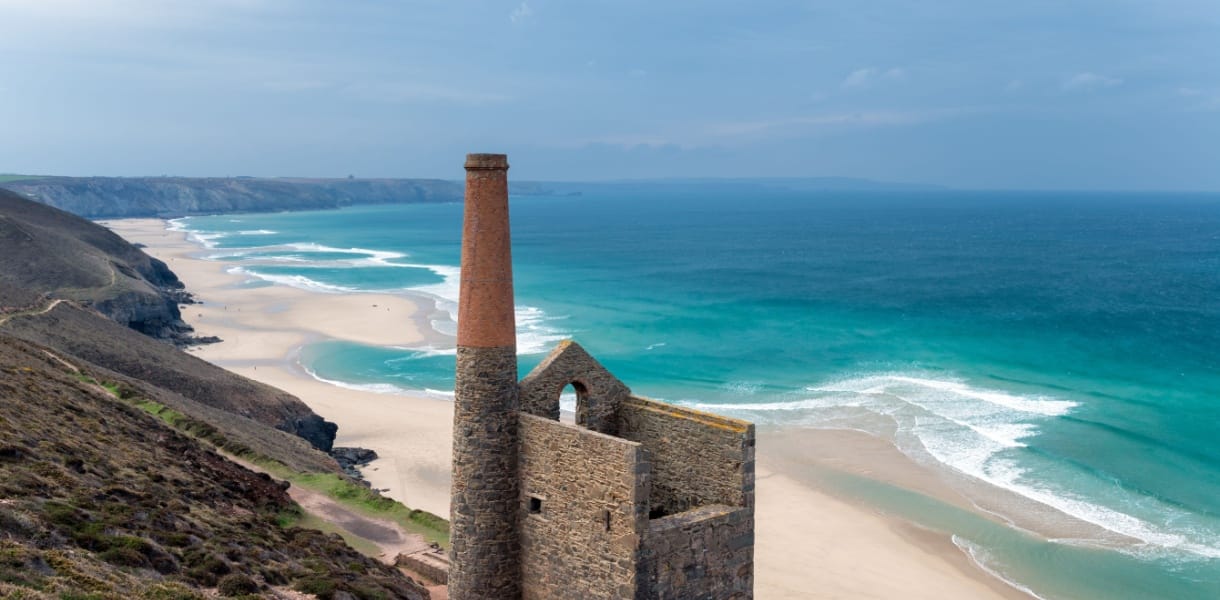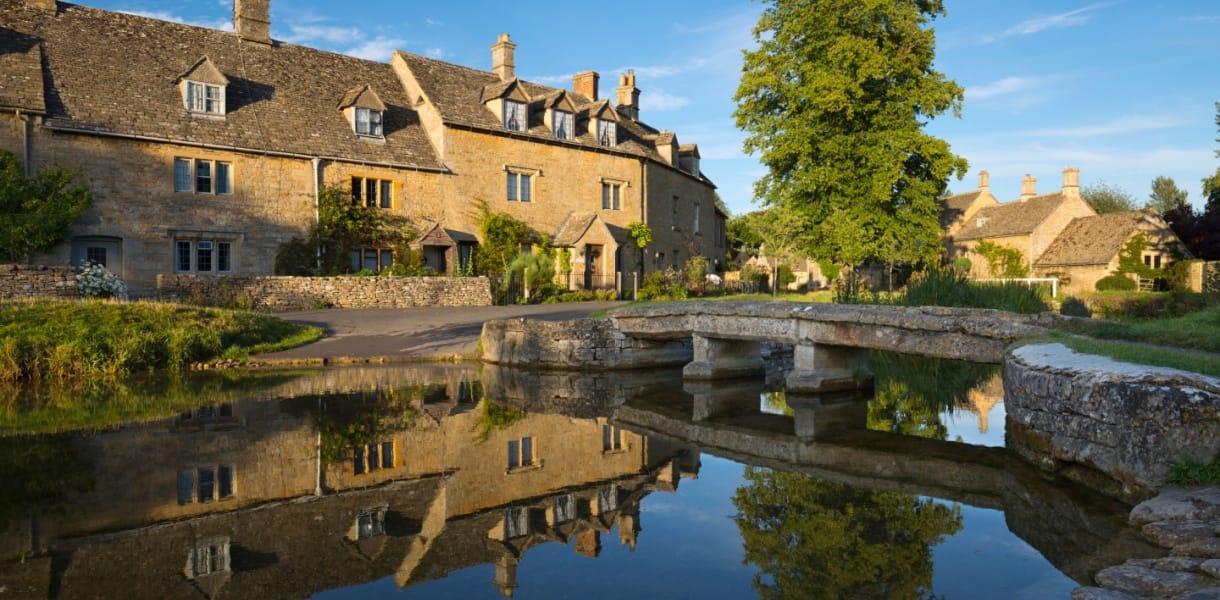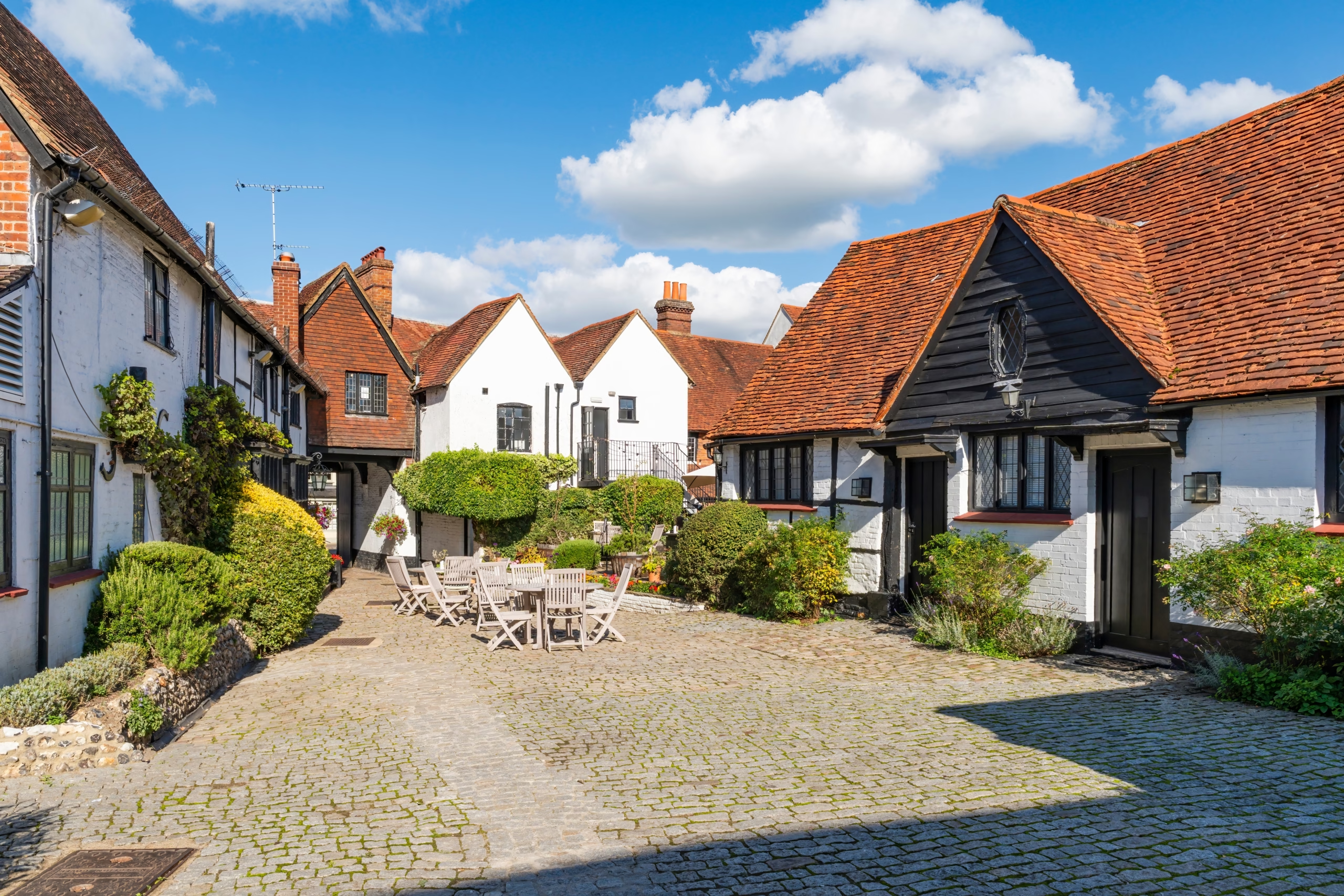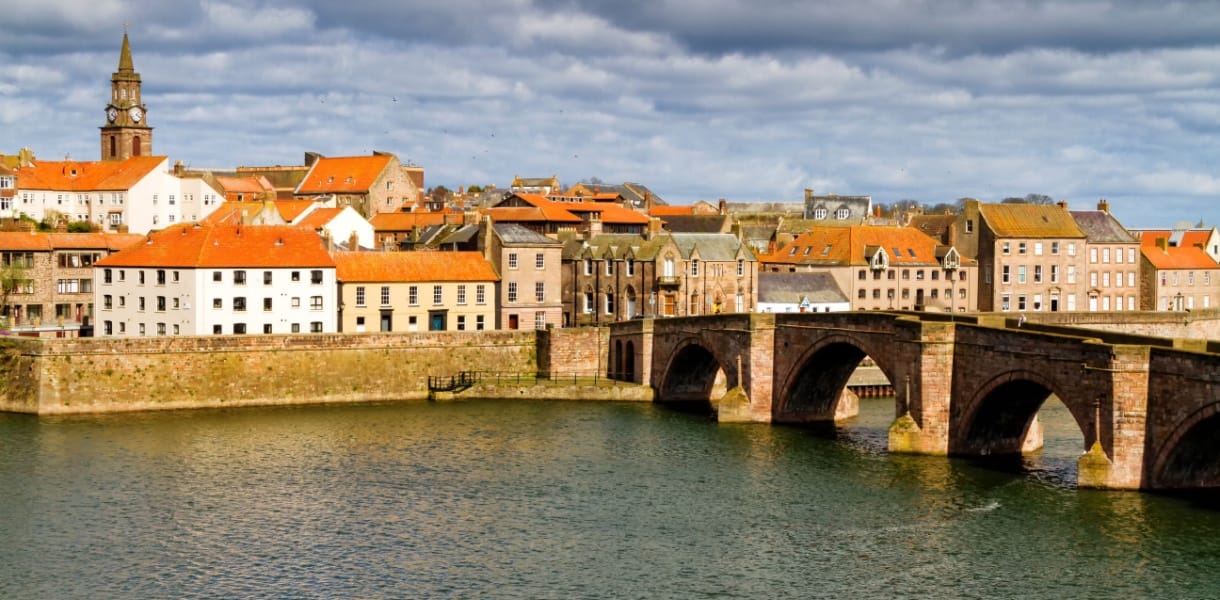
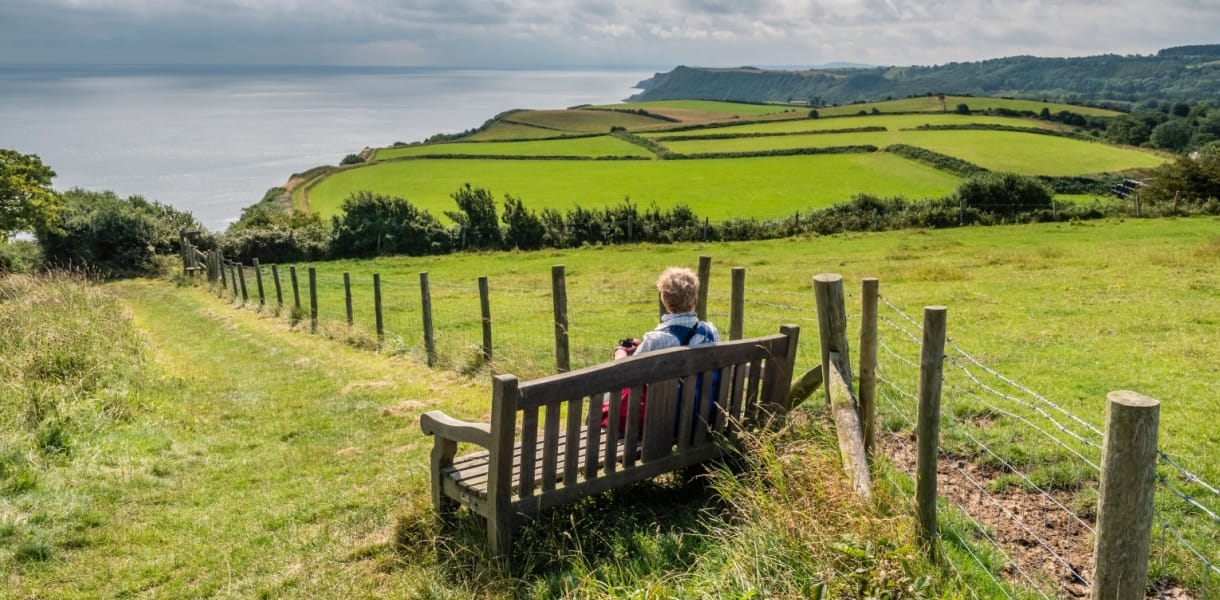
The 190-mile route runs from St Bees on the Cumbrian coast to Robin Hood’s Bay in North Yorkshire, linking the Irish Sea to the North Sea and passing through some of northern England’s finest landscapes along the way. It crosses the Lake District, the Yorkshire Dales and the North York Moors, making it one of the country’s most ambitious long-distance walking routes.
First imagined in 1973 by Alfred Wainwright, whose walking guides helped shape how generations of people explored the Lake District, the Coast to Coast has long been one of England’s most celebrated unofficial long-distance walks. Now, after a £5.5 million programme of upgrades, it has been formally recognised as England’s newest national trail.
Natural England, which led the four-year project, said the work was designed not only to improve the route for walkers but also to make parts of it more accessible for wheelers and riders. Improvements have included better signage, upgraded surfaces and new bridges, as well as work to protect habitats and make the trail more resilient in the face of climate change.
Marian Spain, chief executive of Natural England, described the route as a showcase for some of northern England’s “most treasured landscapes”. She said the newly designated trail would open up the experience to a new generation of users while also bringing fresh tourism opportunities to communities and businesses along the route.
That local economic boost is expected to be significant. Around 6,000 people completed the Coast to Coast walk in 2025, according to Natural England, and national trail status means the route will now receive funding for ongoing annual maintenance. For the many villages, inns, pubs and guesthouses along the trail, that recognition could bring a welcome increase in visitors.
In Robin Hood’s Bay, where the route comes to its traditional end, businesses are already seeing the value of walking tourism. The Victoria Hotel says around 40% of its summer customers are walkers. Business development manager Beverly Rutherford said the trail’s new status could only be good news for the area, adding that walkers bring trade to the whole village and often arrive without cars, which is particularly helpful in a small coastal destination.
The work has been delivered in partnership with the Lake District National Park Authority, the Yorkshire Dales National Park Authority, North York Moors National Park Authority and local councils. In the Lake District, one of the major improvements has been the creation of an accessible lakeside route around Ennerdale Water, complete with new surfacing and bridges.
Further east, a 3.1-mile flagstone path has been laid across the challenging stretch around Nine Standards Rigg and White Mossy Hill in the North Pennines, helping walkers tackle one of the most remote parts of the route in safer and more sustainable conditions.
There has also been a strong focus on climate resilience. Natural England said one of the biggest challenges came in the North York Moors, where the effects of climate change have become increasingly visible. The area suffered significant wildfires last year, underlining the need to protect both the landscape and the trail infrastructure.
Steve Tatlock, southern ranger team leader at the Lake District National Park Authority, said the improvements would help support both nature recovery and the long-term health of the route. He said the work would protect precious habitats and wildlife while creating safer and more sustainable paths for those setting out on the Coast to Coast journey.
To mark the launch, a week of celebrations is taking place at locations along the trail, including Ennerdale Water and Reeth. A new stone marker is also due to be unveiled at Keld, marking the halfway point between the Irish Sea and the North Sea.
For walkers, the appeal of the Coast to Coast has always been obvious. It offers cliff-top views, Lakeland fells, limestone dales, moorland crossings and that deeply satisfying sense of making your way right across England under your own steam. Now, with official national trail status, the route has the recognition to match its reputation.
For the places along the way, it is also a reminder that great walking routes are not just scenic assets. They are lifelines for rural tourism, quiet champions of slower travel and, in the best possible sense, an excuse for more people to end the day in a village pub with muddy boots and a large piece of cake.