
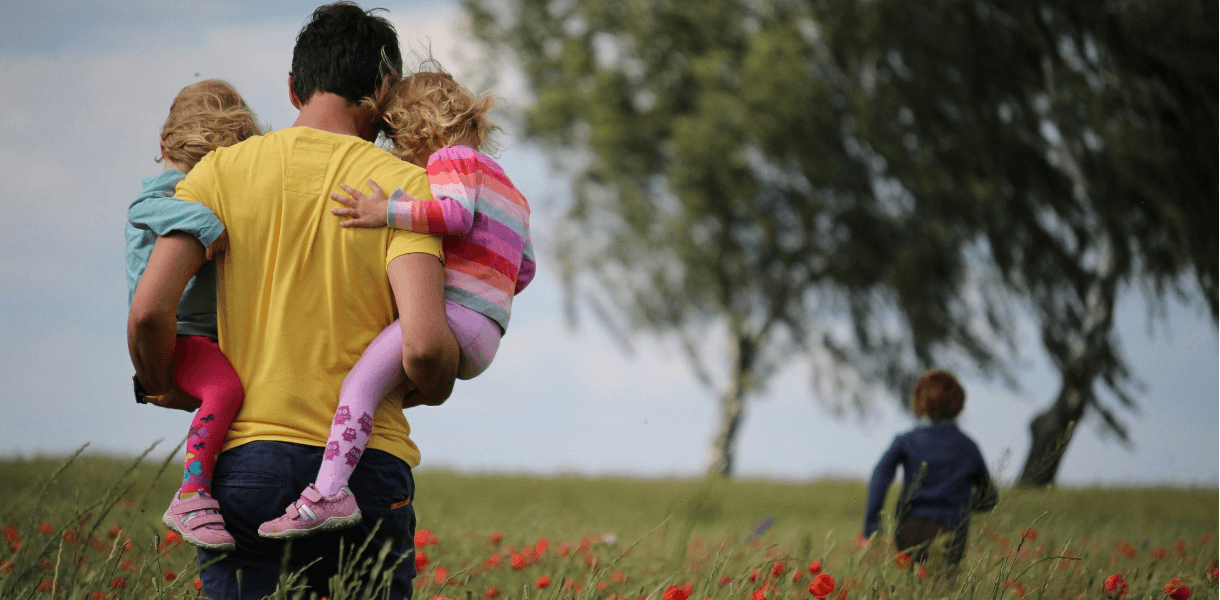
A family trip in the UK can be enormous fun, but it rarely improves when treated like a military exercise disguised as a holiday. The trick is not to pack every day with worthy attractions and heroic mileage. It is to choose the right base, keep the pace kind, and leave enough room for meals, moods, weather and the occasional complete refusal to do the very thing that was meant to make the day.
Quick takeaways
- Best approach for most families
Choose one strong base and build the trip around one main outing a day. - Best trip length
Two to five nights is usually enough to feel away without the plan becoming overcomplicated. - Best planning order
Decide the kind of trip first, choose the base next, then sort transport, accommodation and only the most useful advance bookings. - Biggest mistake to avoid
Trying to do too much on travel days. - Best backup strategy
Have one wet-weather plan, one low-energy plan and one easy local option ready at all times. - Most useful family-trip principle
A good day does not need to be packed. It just needs to work.
Why family trips need a different kind of planning
Family trips are rarely ruined by one dramatic disaster. They are more often undone by smaller, more ordinary things. A late lunch. A long drive that looked harmless on the map. Accommodation that is charming in theory and maddening in practice. A day planned entirely around adult enthusiasm and not at all around actual human energy.
That is why a family trip works best when it is shaped rather than stuffed. The shorter the break, the more this matters. A good family trip usually has a clear base, manageable travel, realistic days, straightforward food options and enough flexibility that one wobble does not unpick the whole thing.
Start with the kind of trip your family actually enjoys
This sounds obvious, but it is where many plans quietly go wrong.
Some families want a city break with museums, parks and easy cafés. Some want a coastal trip with beach time, fish and chips and one or two simple outings. Some want countryside, wildlife, castles, steam railways, boats, open space or attractions with enough room to burn off energy before anyone becomes cross.
The key is not choosing the most impressive destination. It is choosing the one that suits the age mix, the season, the travel tolerance and the general mood you are after. A place that is glorious for adults may be far less glorious if every meal is awkward, every walk uphill and every outing too long.
Choose one strong base if you can
For most family trips, one good base wins.
A strong base should make life easier. It should have practical accommodation, food nearby, simple arrival logistics and at least one easy local outing. It should still work if the weather turns or the family energy level drops a notch. That might mean a seaside town with promenade walks and easy cafés, a small city with a park and plenty of food options, or a countryside base with simple access to family-friendly attractions.
Two bases can work for a longer trip, but only if the transfer between them is genuinely easy and worthwhile. Too many moves turn a family holiday into an exercise in repacking damp coats and trying to remember which child had the water bottle five minutes ago.
Build each day around one anchor
A family day out usually works best when it has one clear centre.
That anchor might be a beach, a castle, a wildlife park, a heritage railway, a boat trip, a walk with a café at the end, or one town worth pottering around properly. Once that main outing is in place, the rest of the day can gather around it. Lunch, a park stop, a short browse, a sweet treat, an early dinner. Lovely.
What tends not to work is building the day like a competitive itinerary. Three attractions, one scenic detour, a rushed lunch, a late return and the faint hope that everyone will continue to be reasonable. Families, rather unreasonably, tend to resist this sort of planning.
Travel days should be lighter than you think
Travel days have a habit of pretending to be normal days. They are not.
Whether you are arriving by car or train, travel day is already doing a lot of work. There is packing, checking out, getting there, arriving, navigating, finding the accommodation, locating the snacks and settling in. That is plenty. So the sensible approach is to keep arrival and departure days deliberately lighter.
A short local wander, a simple meal, a playground, a seafront stroll or a very easy attraction is enough. Save the big outing for the next day, when everyone is more likely to greet it as a pleasure rather than an administrative burden.
Meals matter more than people admit
A surprising amount of family-trip happiness rests on knowing when and where food is happening.
Breakfast needs to be simple. Lunch needs to be realistic. Snacks need to exist before they are demanded. Evening meals need at least a rough plan, especially in busy destinations or in places where family-friendly options are thinner than the tourism photos implied.
You do not need to book every meal. In fact, that can make a trip feel stiff. But it does help to know the likely options near your base, have one or two dependable backups, and reserve anything that really matters. One well-timed snack can save more goodwill than most carefully chosen attractions.
Pack for ease, not aspiration
Family packing gets out of hand very quickly because it is driven by the fear of being caught short. The better approach is to pack for the trip you are actually taking.
That means layers, waterproofs, comfortable shoes, water bottles, chargers, daily essentials, snacks, wipes, a small entertainment backup and one or two comfort items that make travel smoother. What it does not mean is dragging along half the house in case somebody suddenly develops a formal social calendar in Northumberland.
The best family trips are easier when the bags are manageable and the day bag contains the things you are most likely to need before anyone has the energy to root around for them.
Plan for low-energy and wet-weather versions
The UK is very good at giving travellers weather with character. Family trips benefit from respecting that fact.
For every main day plan, it helps to know the softened version. What happens if it rains. What happens if everyone is tired. What happens if the big attraction turns out to be a bit much. A good trip usually has one indoor fallback, one low-effort local option and one easy evening plan that still feels nice.
That is not defeatist. That is simply good planning in a country where a promising morning can become a rain-splashed afternoon without bothering to warn you properly.
Budget for convenience as well as value
Families often get the best results when they budget for ease, not just economy.
That might mean paying a little more for better located accommodation, simpler parking, a train time that works better, a room with more space, or one meal out that prevents a hungry scramble at the end of the day. The cheapest version of a trip is not always the best-value version if it leaves everyone tired and irritable by teatime.
A small buffer for convenience tends to pay for itself in family morale, which is a real holiday resource and should be treated as such.
Take this guide with you
Prefer something you can save, print, or glance at while planning? Download the printable version here.
Final verdict
Planning a family trip in the UK is not about creating a flawless itinerary. It is about giving the trip a good shape. One strong base, manageable days, food thought through, downtime respected and enough flexibility for weather, moods and appetite. Get that right, and the trip has every chance of feeling generous, enjoyable and memorable for the right reasons rather than for the moment everyone finally snapped in a car park.