
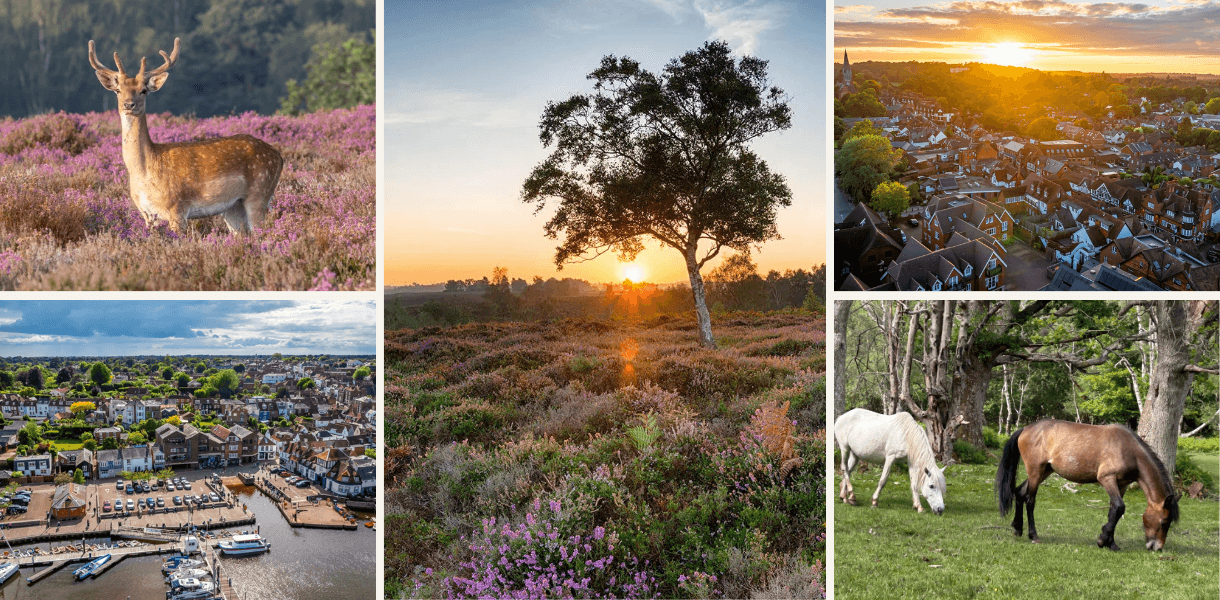
A longer regional break is where the UK starts making more sense. Instead of dashing between headline sights and leaving just as a place begins to get interesting, you give a region enough time to reveal its landscapes, local habits, quieter corners, and the small details that often become the best part of the trip. Here is how to plan one well, without turning it into a glorified packing exercise with nice views.
Quick takeaways
- Best for travellers who want more than a highlights reel
- Ideal trip length is usually 7 to 10 nights
- Two bases often work better than one or three
- Plan by area or zone, not by a giant list of attractions
- Mix major sights with smaller towns, food stops, walks, and downtime
- Leave room for weather, slower days, and unplanned discoveries
- The best longer regional breaks feel shaped, not crammed
Why a longer regional break is worth planning properly
Some places suit a fast weekend. Others do not. They need time. Time to understand the coastline properly, to notice how one town differs from the next, to discover where the landscape changes character, and to realise that the place you nearly skipped is now the bit you keep talking about.
That is the appeal of a longer regional break. You are not just visiting a region. You are letting it unfold. In the UK, that works especially well because so many regions contain far more variety than they first appear to. Northumberland is not just castles. Devon is not just cream teas and sea views. Pembrokeshire is not just beaches. The Highlands are not just scenery. Given enough time, each becomes a fuller and more interesting travel experience.
A longer break also gives you something many short trips cannot manage, which is rhythm. You can have a big day, then a slower one. A coastal day, then a market-town day. A heritage-heavy outing followed by lunch somewhere excellent and an unambitious afternoon that turns out to be one of the nicest parts of the week.
Start by choosing a region with range
The first question is not simply where to go. It is whether the place can genuinely carry a week or more without the trip feeling padded.
The strongest choices for a longer regional break usually offer a few things at once. They have a mix of scenery, different kinds of towns or villages, enough worthwhile sights, places to eat that make stopping feel part of the fun, and enough variation that each day can feel distinct.
Good examples include Northumberland, Cornwall, Devon, Pembrokeshire, the Lake District, Yorkshire, Norfolk, the Cotswolds, the Scottish Highlands, the Cairngorms, and Eryri. They all offer more than one kind of day out, which is important. A region that can only really offer one note may be lovely for a short break but harder to stretch well.
It helps to ask what gives the region its depth. Is it the landscape, the history, the food, the old towns, the walking, the coast, or the way all those things overlap? If the answer is just one famous attraction and a lot of filler, keep looking.
Decide what deeper means for your trip
Exploring deeper sounds admirable, but it does need translating into real travel plans. For one person, deeper means understanding a landscape through walks, viewpoints, and smaller villages. For another, it means spending proper time in historic towns, houses, museums, ruins, and churches. For someone else, it means food, atmosphere, local markets, scenic drives, and the occasional castle for balance.
This matters because a good longer break needs a shape. Not a rigid theme, just a point of view.
Your trip might be built around coast and countryside, market towns and heritage sights, food and scenery, or a bigger mix with one or two clear priorities. What you want to avoid is a muddled week in which every day feels random and the whole thing starts to resemble a mildly attractive admin problem.
Once you know what sort of depth you want, the rest becomes easier. You can choose better bases, plan more naturally, and avoid cramming in places that look impressive on a map but do not really fit the trip you want.
Choose the right base strategy
Where you stay can make a regional break feel relaxed and rewarding, or oddly exhausting. This is one of the most important decisions in the whole plan.
One base for the whole trip
This works best in smaller or more compact regions, or when you want a slower, less fiddly holiday. Unpacking once is undeniably civilised, and if your base is attractive, well placed, and pleasant to spend time in, it can be a very good approach.
The risk is that day trips become longer and you may spend more time repeating routes than you would like. It also helps if your base has enough life of its own. A charming town with good food and an evening atmosphere is far better than a technically central but rather anonymous location.
Two bases for balance
This is often the sweet spot for a 7 to 10 night break. Two bases let you see different sides of a region without turning the trip into constant moving about. Coast and inland, town and countryside, lively and quiet, heritage and landscape. It is often the most practical and the most enjoyable option.
Three bases for a larger region
This can work in larger areas such as the Highlands or Cornwall, where distances and character really do shift. But it needs restraint. Once you start moving every couple of nights, the trip changes character. It becomes more of a tour and less of a stay. That is not wrong, but it is a different holiday.
As a rule, if you are going for depth, fewer bases usually work better than more.
Match the trip length to the region
Longer does not automatically mean better. It means you need enough substance to support the time, and enough slack so the holiday does not feel over-engineered.
Five or six nights can work well in a compact region or with one strong base and a few focused day trips. Seven or eight nights is usually enough to explore a region properly, often with two bases. Nine to twelve nights gives you room for broader coverage, slower pacing, and the kind of trip where you genuinely start to get a feel for the place.
What you do not want is a trip where every day has to justify itself with a long list of achievements. Some of the best regional-break days are small ones. A market in the morning, an abbey or garden after lunch, a scenic drive home, then a pub with a fire and something comforting on the menu. That is not a lesser day. That is often the day that makes the trip feel real.
Plan by area, not by attraction
One of the easiest ways to make a longer break feel smoother is to stop thinking in terms of individual attractions and start thinking in terms of zones.
Instead of creating a giant list and scattering it across the week, group days by area. One day might be a stretch of coast and a harbour town. Another might be a market town, country house, and scenic valley. Another might be a cathedral city with a few optional extras nearby.
This makes far more sense on the ground. You spend less time zigzagging, less time in the car, and more time actually enjoying where you are. It also gives you more flexibility. If the weather turns poor, it is easier to swap in a town day or an indoor-heavy area. If the forecast looks unusually good, you can seize the walking day or scenic drive while the sky is on its best behaviour.
Planning by zone also reveals whether the region has enough substance. If you struggle to build satisfying area-based days without obvious padding, that is worth noticing before you book everything.
Mix major sights with smaller pleasures
A deeper regional break is not about avoiding famous places. Plenty of famous places are famous because they are very good. The trick is not to let the trip become all headline and no texture.
The best days usually contain one clear anchor, then a few smaller things around it. A castle followed by a small harbour. A historic house plus lunch in a village you had not really thought about. A dramatic walk, then a bakery stop and a quiet town with a good bookshop. A cathedral in the morning, riverside wander later, and an early supper somewhere local rather than a rushed sandwich in a car park.
This is what gives a longer break personality. You stop simply collecting attractions and start building days that feel more like experiences than tasks.
A useful test is whether each day contains a main event, a scenic or atmospheric element, a good food or town stop, and a little breathing room. That tends to be enough.
Respect travel times properly
Maps can be very flattering. The UK is full of journeys that look perfectly sensible until you actually do them. Narrow roads, summer traffic, scenic routes that are scenic because nobody has ever accused them of being direct, town-centre bottlenecks, and weather with its own opinions can all make a modest-looking journey feel much longer.
This matters especially in places like Cornwall, Devon, the Highlands, the Lake District, and many coastal regions. It is very easy to build an itinerary that appears elegant on screen and feels slightly absurd in real life.
Try not to pair a big transfer with a big sightseeing day. And try not to schedule several long driving days back to back, unless your idea of a holiday is testing your patience in picturesque surroundings. A good longer break needs variety in pace. Big day, easy day, active day, slower day. That rhythm matters more than people think.
Build in weather flexibility
A regional break in the UK should always include a weather strategy, because confidence alone is rarely enough.
This does not mean assuming the worst. It means planning sensibly. Know which days need decent weather and which can cope with clouds or rain. Have a shortlist of indoor options. Keep at least one or two days loose enough to reshuffle. A house, museum, gallery, distillery, food hall, spa afternoon, or substantial town day can all be useful when a cliff walk suddenly looks less appealing.
That said, not every grey day is a bad one. Some places become more atmospheric when the weather turns. Ruins in low cloud, harbours under a dark sky, dramatic hills, a long lunch followed by a short walk and an even longer tea stop. Britain can be surprisingly persuasive in bad weather, especially when there is a good pub involved later.
Make food part of the plan
Longer breaks are much better when meals are treated as part of the trip rather than merely a thing that happens between attractions.
That does not mean booking every lunch six weeks in advance. It means understanding that regional food adds shape and pleasure to a holiday. Markets, delis, farm shops, coastal cafés, village pubs, bakeries, seafood spots, old inns, and places with local produce all help a trip feel rooted in the place rather than transported in from nowhere.
A good lunch stop can transform a day. A well-timed tearoom can rescue one. And knowing which town is worth lingering in for dinner can give the evening a point rather than leaving you wandering around at half past seven wondering why every promising place is mysteriously full.
It is also wise to vary the tone. Some evenings can be proper dinner-out nights. Others can be fish and chips, picnic supplies, or something easy back at your accommodation after a long outing. The change in pace helps.
Leave time for slower days
This is one of the great advantages of a longer regional break, and one of the first things people accidentally remove.
Do not try to fill every day to the brim. A slower day is not wasted time. It is often what makes the rest of the week work. A local market, a short walk, lunch somewhere scenic, an hour or two doing very little, then a relaxed evening can be exactly what the trip needs.
This is especially true if you are travelling as a couple or family with slightly different tastes and energy levels. Not everyone wants to be brilliantly occupied from breakfast to bedtime. A well-placed gentler day can improve the whole mood of the holiday.
Try to understand the region, not just visit it
A deeper trip becomes more satisfying when you start noticing how the region works. Why the buildings look the way they do. Why one valley feels different from the next. Why the coast developed a certain way. Why local food changes from one area to another. Why one town feels prosperous and another feels weathered, and why both are interesting.
You do not need to become a walking guidebook. Just do enough reading before you go to have some context. Notice the local materials, the industries that shaped the area, the old transport routes, the harbours, the churches, the fields, the architecture, the clues in place names, the things on menus, the mood of the roads. This is how a region stops being just a backdrop and starts feeling like somewhere specific.
The UK is particularly rewarding in this respect. Regional differences are often packed into surprisingly small distances. That is part of the fun.
Keep a shortlist, not a military schedule
By all means book accommodation, key tickets, and one or two places that really matter. Beyond that, keep some freedom.
The best discoveries on a longer break often happen mid-trip. You hear about a beach, a village, a bakery, a garden, a ruin, a viewpoint, a market, a road worth driving, or a pub worth detouring for. Suddenly tomorrow looks better than it did before, which is exactly the sort of thing holidays are meant to allow.
A sensible system is to keep a must-do list, a good-weather list, a wet-weather list, and a nearby extras list for easy additions. That gives the trip shape without making it rigid.
Final verdict
A longer regional break works best when it feels generous rather than crammed. You want enough time to understand a place, enough structure to use your days well, and enough freedom to let the region surprise you.
That is the real reward. Not simply seeing more, but feeling that you came back with a stronger sense of how the place actually is. Which town you would stay in next time. Which stretch of coast felt wilder than expected. Which village was better than the famous one. Which route home was beautiful. Which café became part of the week. Which bit of the region you missed and now want to return for.
That is when you know the trip worked. You did not just pass through. You gave the region time to make its case.
Need to know
Best for
- Travellers who want a fuller sense of place
- Couples, solo travellers, and older families
- Return visitors ready to go beyond the obvious
- Anyone planning a 7 to 10 night UK break
Works especially well for
- National park and countryside regions
- Coastal counties and touring areas
- Historic regions with a mix of towns and landscapes
- Food-and-scenery trips
- Slow travel holidays with one or two bases
Common mistakes to avoid
- Choosing too many bases
- Underestimating driving times
- Planning every day as a major outing
- Booking a base that is central but soulless
- Leaving no room for weather or spontaneity
- Treating food as an afterthought
A good first-trip formula
- 7 to 8 nights
- 2 bases
- 1 major anchor sight most days
- 1 slower day built in
- A good-weather backup plan and a wet-weather backup plan
- Enough flexibility to follow local recommendations