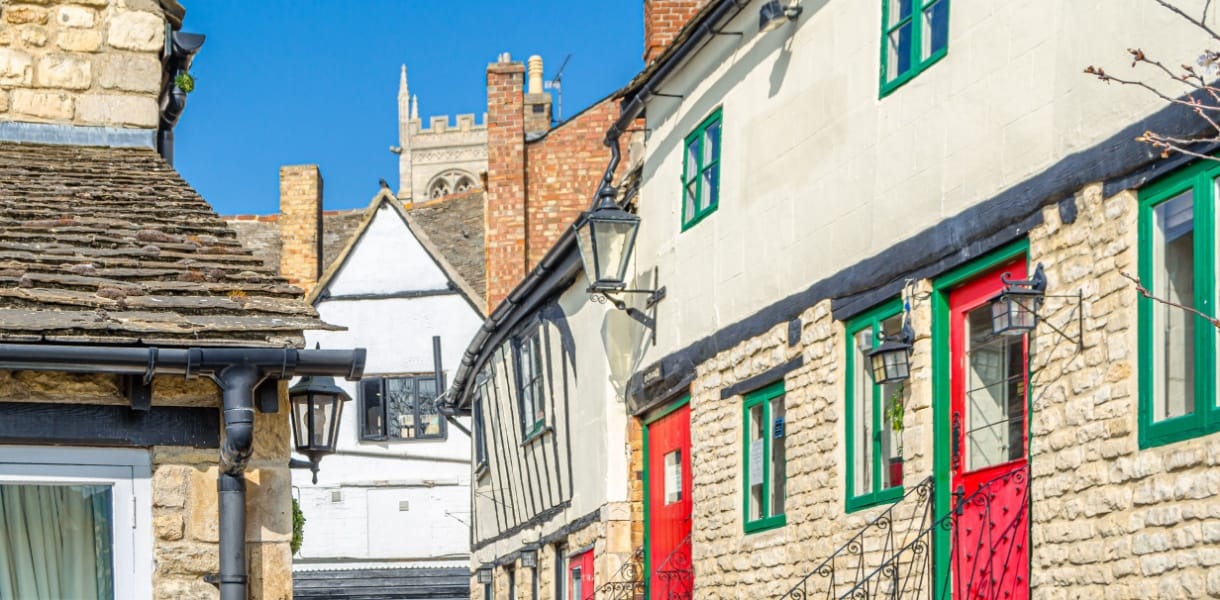
Some parts of Britain seem to have treated the market town not merely as a practical convenience but as a point of local pride. A square here, a church tower there, a high street lined with old inns and buildings that have been looking quietly self-assured for centuries, and suddenly you have the sort of place where an ordinary afternoon turns into a very long wander. These are 10 of the best historic counties in the UK for visitors who like market towns with real age, proper character, and enough architectural substance to make lunch feel like a cultural activity.
Quick takeaways
Best for a first market town county trip
Shropshire, Suffolk, Yorkshire
Best for medieval character
Suffolk, Herefordshire, Shropshire
Best for elegant stone-built towns
Gloucestershire, Wiltshire, Lincolnshire
Best for quieter under-the-radar charm
Herefordshire, Norfolk, Monmouthshire
Best for sheer variety across one county
Yorkshire, Norfolk, Shropshire
Why historic market towns are such a good way to see Britain
There is something deeply satisfying about a good market town. It has enough history to make a walk feel worthwhile, enough life to stop it feeling like a museum, and usually at least one bakery, pub or tea room that makes you think civilisation may yet be salvageable. Britain is unusually good at these places. For centuries they were the practical centres of everyday life, where people came to trade livestock, grain, wool, cloth, gossip, and no doubt opinions of a rather forceful kind.
That long history left behind some very useful things for the modern visitor. Market squares, old inns, guildhalls, church towers, town bridges, medieval plots, Georgian facades and streets that have the happy knack of making you walk more slowly. The best counties for market towns are not those with one famous example and several worthy also-rans. They are the ones where the whole county seems to have taken the matter seriously.
1. Shropshire
If counties could swagger, Shropshire would be unbearable. It is absurdly well supplied with good market towns. Ludlow is the star turn, and not unfairly. It has a castle, a medieval core, handsome old streets, and the sort of food reputation that means your historical wander may suddenly become lunch-led. Shrewsbury is equally strong in a different way, all black-and-white buildings, looping streets, river setting and architectural richness.
Then there is Bridgnorth, divided between high and low town in a manner that seems almost theatrically designed to keep visitors interested, and Much Wenlock, which looks as though it has spent several centuries quietly perfecting the art of being charming. Shropshire is the county for people who want market towns with real depth rather than decorative prettiness alone.
Why it stands out
A remarkable concentration of genuinely memorable historic towns rather than one obvious headliner.
Best towns to visit
Ludlow, Shrewsbury, Bridgnorth, Much Wenlock
2. Suffolk
Suffolk is tremendously strong if your weakness is medieval timber framing and towns that look as though they prospered centuries ago and have been congratulating themselves ever since. Lavenham is the great show-off, one of those places so beautifully preserved that it feels almost implausible. It is all crooked timbered buildings, medieval confidence and the distinct impression that the wool trade once did very nicely here indeed.
But Suffolk has depth as well as a headline act. Bury St Edmunds adds abbey ruins, cathedral presence and a more substantial urban feel. Framlingham brings a castle into the equation, which is rarely a disadvantage. Long Melford and Clare are smaller but wonderfully atmospheric. If you want counties where history still seems visible in the very shape of the streets, Suffolk is one of the best.
Why it stands out
Exceptionally well-preserved medieval character with several towns that still feel distinct and rooted.
Best towns to visit
Lavenham, Bury St Edmunds, Framlingham, Long Melford, Clare
3. Yorkshire
Yorkshire does not really do modest. Its market towns come with castles, abbeys, grand views, dramatic settings and enough confidence to fill a county several times over. Richmond is perhaps the clearest example, with its castle and commanding position making an already handsome town feel even more self-assured. Helmsley has that polished but still appealing quality that makes a simple amble feel rather refined.
Knaresborough looks as though it has been arranged for scenic impact, with the river and viaduct lending it a frankly unfair amount of visual drama. Beverley, Malton, Masham and Hawes all bring different strengths, from Minster grandeur to food appeal to Dales atmosphere. Yorkshire is ideal if you want range. You could build a whole trip around market towns here and never feel you were repeating yourself.
Why it stands out
An unusually varied county, with market towns that range from stately and architectural to rural and rugged.
Best towns to visit
Richmond, Helmsley, Knaresborough, Beverley, Malton, Hawes
4. Herefordshire
Herefordshire has the considerable advantage of still feeling slightly unbothered by fashion. Its towns are handsome, historic and full of character, but they have not been polished into blandness. Ledbury is perhaps the obvious favourite, with its black-and-white buildings and famous market house making it almost offensively photogenic. Leominster has age and texture in abundance, and Ross-on-Wye combines market town charm with an especially attractive riverside setting.
Part of Herefordshire’s appeal is that the towns still feel connected to the surrounding landscape. These are places of orchards, cider country, church towers, old streets and local life. They do not feel staged. They feel inhabited, which is often much the greater pleasure.
Why it stands out
Historic market towns with real atmosphere and a more grounded, less overexposed feel.
Best towns to visit
Ledbury, Leominster, Ross-on-Wye, Kington
5. Gloucestershire
Some counties have a gift for making stone look flattering. Gloucestershire is one of them. If your idea of a satisfying market town involves mellow facades, old inns, market houses and streets that seem to glow in certain light, this county has plenty to offer. Cirencester is the heavyweight, with Roman roots, a handsome centre and the sort of church that does not see the need to underplay its importance.
Tetbury has antique-shop poise and excellent proportions. Tewkesbury brings medieval timber framing and abbey grandeur. Stow-on-the-Wold, though often pressed into wider Cotswolds duty, remains one of those places that can look almost absurdly good in the right weather. Gloucestershire is for visitors who like market towns with beauty, polish and just enough substance underneath.
Why it stands out
A particularly strong county for elegant townscapes and classic Cotswold and west-country market town beauty.
Best towns to visit
Cirencester, Tetbury, Tewkesbury, Stow-on-the-Wold
6. Wiltshire
Wiltshire is often better known for its prehistoric celebrity guests, which means its market towns can be slightly underrated. This is unfair. Devizes is one of the finest market towns in England, with a broad square, a rich historic centre and enough handsome buildings to keep you looking up for longer than is strictly practical. Marlborough has a famously wide high street that gives the place a sense of space and confidence unusual even by market town standards.
Malmesbury adds hilltop character and ancient roots, while Bradford on Avon brings visual charm in almost unreasonable quantities. Wiltshire’s towns tend to feel solid, established and faintly proud of themselves, which in this context is entirely welcome.
Why it stands out
Large, handsome, deeply historic towns with plenty of architectural presence.
Best towns to visit
Devizes, Marlborough, Malmesbury, Bradford on Avon
7. Norfolk
Norfolk’s market towns are often subtler than the great medieval showpieces elsewhere, but that is very much part of the appeal. They feel settled and self-contained, as though they have grown into themselves over centuries and see no need to show off. Holt is neat and appealing with a quietly prosperous air. Aylsham has warmth and liveability. Burnham Market is undeniably polished, but still rooted in the shape and tradition of an older market centre.
Elsewhere, Wymondham and Fakenham offer more everyday historic character. Norfolk is especially rewarding for visitors who enjoy the accumulated detail of a place rather than one single blockbuster sight. Flint walls, church towers, market crosses, old brick terraces, little independent shops and the general sense that nobody is in a hurry. It all works rather well.
Why it stands out
A county of smaller-scale historic towns that reward slow wandering and close noticing.
Best towns to visit
Holt, Aylsham, Burnham Market, Wymondham, Fakenham
8. Lincolnshire
Lincolnshire is a county that rarely pushes itself to the front, which may explain why it can still feel like such a pleasing discovery. Stamford is the obvious jewel, and one of the most beautiful stone towns in England. Calling it merely a market town almost seems a little stingy when it turns up looking like that. It has grace, architectural consistency and enough old-world confidence to make almost anywhere else seem underdressed.
Louth is another strong contender, with an independent streak and real historic character. Horncastle adds antiques and old-town appeal, while Sleaford and others deepen the county’s case. Lincolnshire suits visitors who like towns that are handsome without being overwhelmed by their own fame.
Why it stands out
Beautiful stone-built towns and a satisfying sense of discovery beyond the better-known tourist circuits.
Best towns to visit
Stamford, Louth, Horncastle, Sleaford
9. Monmouthshire
For a Welsh county that does historic market towns especially well, Monmouthshire makes a very convincing case. Abergavenny has proper weight to it as a market town, but also the additional advantage of excellent surrounding scenery, which makes the whole experience feel more expansive. Monmouth itself has age, setting and a strong sense of historical continuity, while Usk brings quieter, gentler charm.
The county’s appeal is partly that the towns feel inseparable from the wider landscape and border-country history around them. These are not isolated pretty places. They belong to old routes, old counties, old conflicts and old patterns of life. All of which gives a market town visit a little more depth than usual.
Why it stands out
Historic Welsh towns with strong identity, lovely settings and a real sense of place.
Best towns to visit
Abergavenny, Monmouth, Usk, Chepstow
10. Fife
Scotland’s market-town tradition is not always discussed in quite the same way as England’s, but Fife has several places that make a strong case for being included in any UK-wide list. Cupar is the clearest example, with its long history as a county town and trading centre. Falkland is one of those places that seems almost improbably attractive once you arrive, with a strong historic core and a proper sense of age.
Anstruther and Pittenweem blur the line between market town and fishing town in a thoroughly enjoyable way. They have the local distinctiveness, old fabric and settled character that make market towns so appealing in the first place. Fife may not be the most obvious answer, but it is one of the more rewarding ones.
Why it stands out
A slightly different Scottish version of the market town idea, with burgh history and strong local character.
Best towns to visit
Cupar, Falkland, Pittenweem, Anstruther
Which county is best overall
If you want the single best all-round answer, Shropshire probably edges it. The concentration is remarkable, the towns feel varied rather than repetitive, and the county gives you everything from castle-backed grandeur to smaller, intimate historic centres.
If you want the prettiest medieval settings, choose Suffolk.
If you want the broadest range, choose Yorkshire.
If you want quieter rewards and less fuss, choose Herefordshire.
If you want stone-built elegance, go for Gloucestershire, Wiltshire or Lincolnshire.
Final verdict
Britain is wonderfully overqualified when it comes to market towns, but some counties clearly received more than their fair share. The best of them offer not just one pleasant day out but a whole run of places where history, architecture and daily life still sit comfortably together. That is the real charm of the historic market town. It has not been preserved in a glass case. It is still in use. People still come to shop, eat, linger, gossip mildly and complain about parking in streets that have seen exactly this sort of thing for centuries.
Which is, when you think about it, an extremely British sort of continuity.