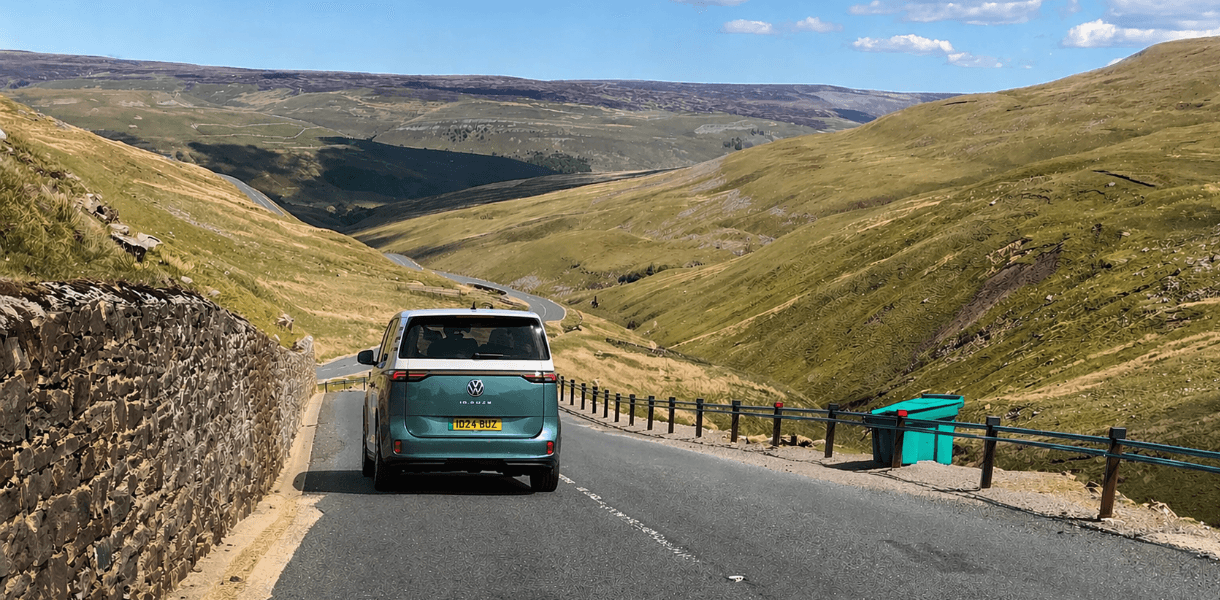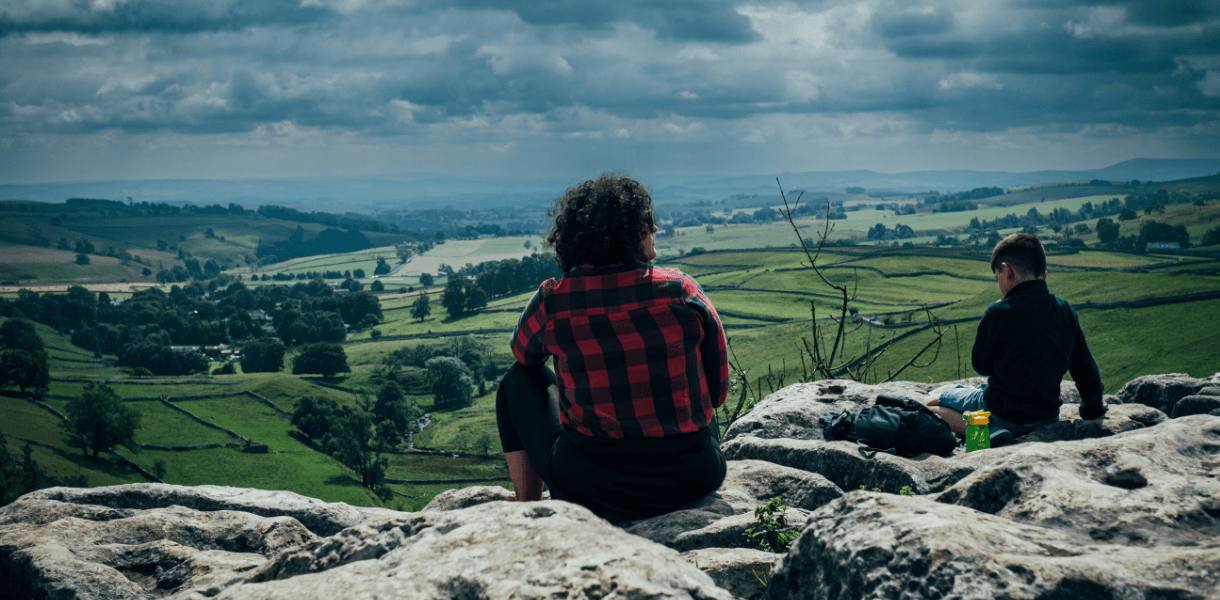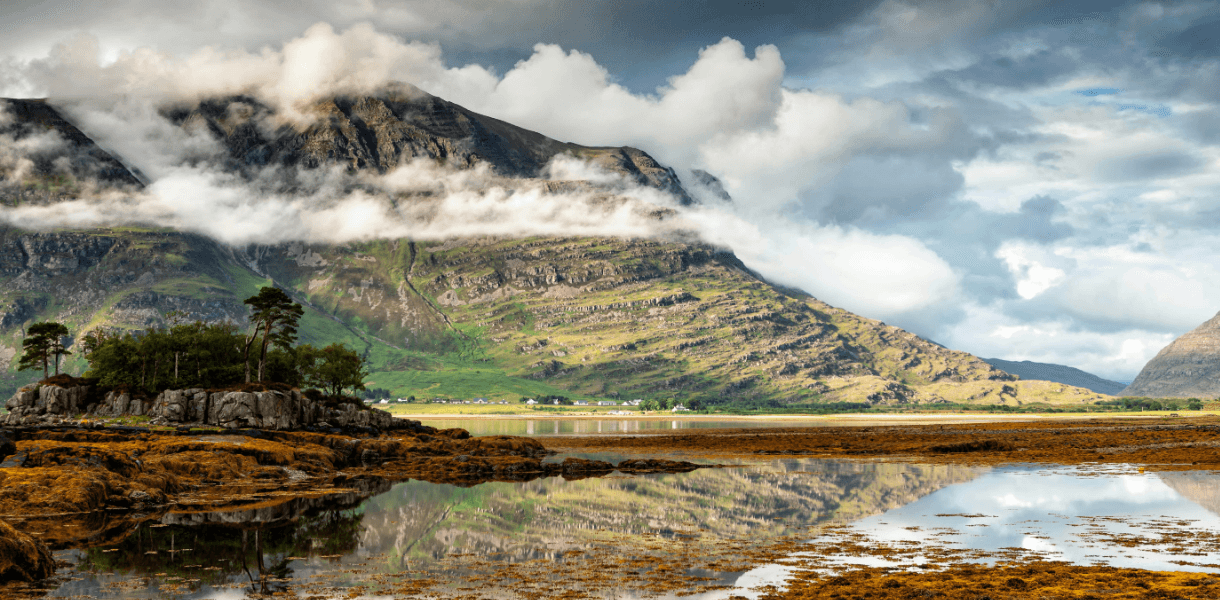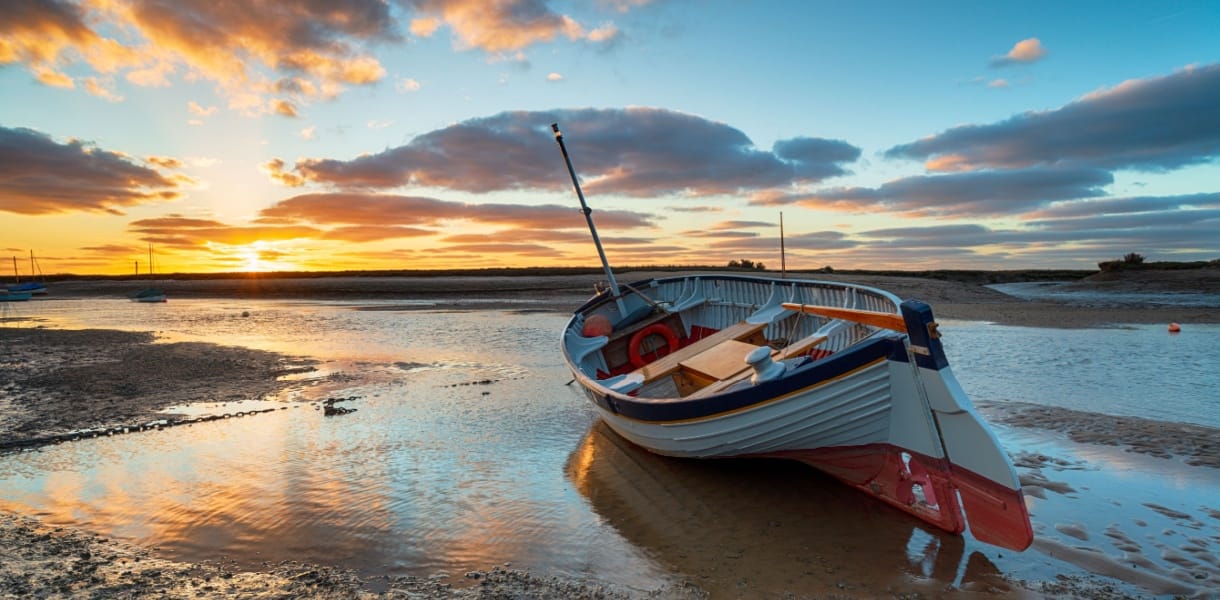
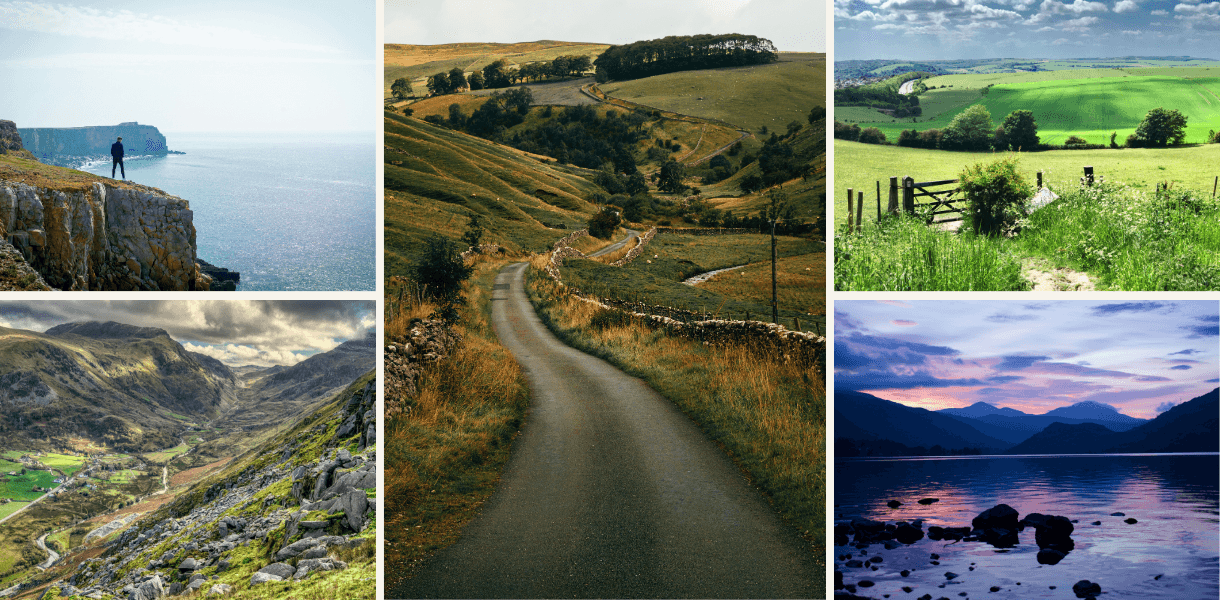
Britain’s national parks are not wilderness in the American sense. They are something more intimate and, for many visitors, more rewarding. These are lived-in landscapes of mountains, moorland, lakes, forests, estuaries, clifftops, villages, sheep fields, old tracks, market towns and pubs that appear at exactly the moment your legs begin negotiating terms. What makes them so good is not just their beauty, but their range. Some are built for big walking days and weather-lashed grandeur. Some are better for gentle weekends, scenic drives and long lunches with a view. Some suit first-timers brilliantly. Some are best once you know what sort of trip you actually want.
This guide is here to help with that. Not to rank the parks like racehorses, but to help you choose the right one for the kind of break you want, shape the trip properly, and avoid the small but very British mistake of assuming all lovely countryside works in the same way.
Quick takeaways
Best for first-time national park trips
Peak District, Lake District, South Downs
Best for mountain drama
Eryri, Cairngorms, Lake District
Best for gentle scenery and easier pacing
South Downs, New Forest, Broads
Best for coast and countryside together
Pembrokeshire Coast, Exmoor, North York Moors
Best for public transport potential
Peak District, New Forest, South Downs, Lake District
Best for quieter, less obvious escapes
Northumberland, Exmoor, Yorkshire Dales
Best for families
New Forest, Broads, Peak District
Best for strong walkers
Eryri, Cairngorms, Lake District
Best for autumn atmosphere
New Forest, North York Moors, Yorkshire Dales
Best for winter mood and grandeur
Cairngorms, Lake District, Northumberland
Why Britain’s national parks are different
One of the best things about Britain’s national parks is that they do not feel sealed off from life. These are not empty wilderness zones where the landscape appears to have politely removed all signs of human interference. They are working, lived-in places shaped by farming, stone walls, old roads, villages, historic routes, local culture and long habits of getting on with things in dramatic surroundings.
That makes them especially good for visitors. A day in a British national park might include a ridge walk, a ruined abbey, a scenic train, a cream tea, a village church, a harbour, a waterfall and a pub with a carpet that has seen things. The scenery matters, obviously, but the wider texture of the place matters too.
It also means the best park is not simply the grandest or most famous one. It is the one that fits your trip. The right park depends on how long you have, whether you are driving, how much walking you actually want to do, what season you are travelling in, and whether your ideal day involves summits, sea air, wildlife, villages or a pleasant compromise between all of them.
National parks at a glance
Peak District
Best for a first national park trip, varied landscapes, accessible walking, weekends from major cities
Lake District
Best for classic mountain-and-lake scenery, famous beauty, longer walking weekends, first-time overseas visitors
Eryri
Best for mountain drama, active trips, stronger walkers, bold Welsh scenery
Cairngorms
Best for scale, Highland atmosphere, wildlife, longer stays, winter mood
Loch Lomond and The Trossachs
Best for a scenic Scottish break that feels varied and manageable, especially when combined with a city stay
Yorkshire Dales
Best for stone-built countryside, scenic drives, walks, villages and a deeply satisfying rural rhythm
North York Moors
Best for moorland plus coast, variety, heather season, gentle scenic touring
Northumberland
Best for space, dark skies, quiet, remote-feeling landscapes and a stronger sense of getting away from it all
Exmoor
Best for coast and moor together, romantic scenery, couples, shoulder season breaks
Dartmoor
Best for tors, atmosphere, moodier scenery and a slightly wilder southern park experience
New Forest
Best for easy weekends, families, car-free breaks, woodland and low-stress beauty
South Downs
Best for easy-access scenery, chalk landscapes, gentle walking, public transport trips
Broads
Best for water, wildlife, boating, easy scenic breaks and visitors who prefer beauty without steepness
Bannau Brycheiniog
Best for waterfalls, dark skies, southern Wales mountain scenery and active short breaks
Pembrokeshire Coast
Best for coastal walking, beaches, sea views and summer or shoulder-season trips shaped around the coast
How to choose the right national park
If you are completely new to Britain’s national parks, the easiest starting points are usually the Peak District, Lake District and South Downs. They each offer a strong sense of place without making the trip feel difficult from the outset. The Peak District is especially good if you want variety and convenience. The Lake District is the classic answer if you want drama. The South Downs is the sensible and rather elegant choice if you want scenery with less effort.
If what you want is big mountain scenery, go for Eryri, the Lake District or the Cairngorms. Eryri feels muscular and immediate. The Lake District is the famous all-rounder. The Cairngorms feels bigger, more spacious and more Highland in mood.
If you want gentler beauty and easier pacing, look at the New Forest, South Downs and Broads. These are parks for people who like scenery but do not necessarily want the day to become an athletic statement.
If you want coast with your countryside, choose Pembrokeshire Coast, Exmoor or the North York Moors. All three let you mix open landscapes with sea views, harbours, beaches or cliff paths, which is a very pleasing way to organise a short break.
If you want somewhere that feels quieter and less obvious, consider Northumberland, Exmoor or the Yorkshire Dales. None feels entirely undiscovered, because Britain is not a country much given to total secrecy, but they often feel less relentlessly foregrounded than the usual stars.
The different kinds of national park experience
Not all national park trips feel remotely the same, which is worth saying clearly before anyone books somewhere on the basis of one nice photograph and misplaced confidence.
There is the mountain trip, where the point is height, weather, ridges, big views and a satisfying level of landscape drama. That is Eryri, the Lake District and the Cairngorms.
There is the scenic all-rounder, where you want excellent walking, strong views, attractive places to stay and plenty to do without having to spend every day on a summit. That is where the Peak District, Yorkshire Dales and Loch Lomond and The Trossachs come into their own.
There is the coast-and-country break, where you want sea air as well as uplands, valleys or moor. That is Pembrokeshire Coast, Exmoor and the North York Moors.
There is the gentler lowland or woodland escape, which is less about conquering the landscape and more about enjoying it. That is the territory of the New Forest, South Downs and Broads.
Then there is the big-sky, mood-led park, where openness, weather and atmosphere do much of the work. That is Northumberland, Dartmoor and parts of the Cairngorms.
The parks themselves
Peak District
Why go
Because it may be the most useful national park in Britain. That sounds faintly unromantic, but it is a great compliment. It gives you big views, good walks, handsome dales, dramatic edges and easy access from major cities, all without demanding a week of planning and a survival mindset.
What makes it distinct
Its variety. The Peak District can feel rugged in one direction and soft-edged in another. It suits walkers, casual sightseers, weekenders and mixed-energy groups remarkably well.
What it feels like
Approachable, varied and deeply practical in the best sense. A park that lets people have a good national park trip without turning it into an ordeal.
Best for
First-time visitors, weekends, mixed groups, public transport breaks, scenic short trips
Best bases
Bakewell, Castleton, Hathersage, Ashbourne
Best experiences
Gritstone edges, limestone dales, classic village stops, scenic walking, caves, reservoirs, big-view picnic days
How long to stay
2 to 3 nights is ideal for most first visits
Best time to visit
Spring and autumn are especially good, though it works well year round
Getting around
Easy with a car, but one of the better parks for rail-plus-bus trips
Difficulty and suitability
Very good for mixed abilities because you can choose anything from gentle wandering to full-day walks
Things to know before you go
Popular areas can get busy on sunny weekends, and the easiest beauty spots are not exactly a secret
Lake District
Why go
Because it does the classic national park thing magnificently. Lakes, fells, stone villages and dramatic weather all arrive together with barely a moment’s modesty.
What makes it distinct
Its combination of mountain scenery and visitor infrastructure. It feels famous because it is famous, but that does not stop it being beautiful.
What it feels like
Grand, romantic, well-loved and sometimes busy, especially in the obvious places. Very rewarding if you stay long enough to get beyond the honeypots.
Best for
Classic scenery, first-time overseas visitors, walking trips, iconic British landscapes
Best bases
Keswick, Ambleside, Grasmere, Windermere, Coniston
Best experiences
Lake cruises, fell walks, village hopping, scenic roads, literary atmosphere, lakeside views
How long to stay
3 to 5 nights if possible
Best time to visit
Spring and autumn often feel smartest, though summer brings long days
Getting around
Possible without a car in parts, easier with one, though traffic and parking can test the soul
Difficulty and suitability
Good for all kinds of visitors if planned properly, though the biggest scenery often means steeper terrain
Things to know before you go
Do not assume you can cover it quickly. It rewards slower, better-shaped trips
Eryri
Why go
For mountain scenery with real force to it. If you want a park that feels bold, rugged and properly topographic, this is a strong answer.
What makes it distinct
Its Welsh identity, mountain scale and dramatic shapes. It feels more elemental than many English parks.
What it feels like
Rugged, energetic and weather-exposed, with a strong sense that the landscape is setting the terms.
Best for
Strong walkers, active weekends, mountain lovers, dramatic scenery
Best bases
Betws-y-Coed, Beddgelert, Dolgellau, Llanberis
Best experiences
Mountain walks, dramatic viewpoints, narrow-gauge railways, lakes, waterfalls, coastal detours
How long to stay
3 to 4 nights is a good minimum if you want variety
Best time to visit
Late spring to early autumn, though quieter shoulder-season trips can be very rewarding
Getting around
Best with a car, though some core areas are reachable by public transport
Difficulty and suitability
Better for active visitors, though there are easier scenic options too
Things to know before you go
Weather changes quickly, popular mountain routes get crowded, and it is best not to underestimate how full a “short” day can become
Cairngorms
Why go
For scale, wildlife and Highland atmosphere. It is the sort of park that makes many others feel slightly compact.
What makes it distinct
Its size and sense of space. It feels broader, colder and less compressed than the more famous English parks.
What it feels like
Expansive, airy, wintry in mood even outside winter, and wonderfully rich in atmosphere
Best for
Longer stays, wildlife, scenic touring, winter trips, Highland breaks
Best bases
Aviemore, Braemar, Ballater, Grantown-on-Spey
Best experiences
Wildlife watching, forest walks, mountain viewpoints, lochs, scenic drives, Highland villages
How long to stay
4 to 7 nights if you really want to get into it
Best time to visit
Year round, depending on the kind of trip. Winter has huge atmosphere. Autumn can be especially lovely
Getting around
Possible by rail in parts, easier with a car for full flexibility
Difficulty and suitability
Works for both active and less active visitors, though the scale of the place rewards planning
Things to know before you go
Distances are longer than they look, and a short stay can feel rushed
Loch Lomond and The Trossachs
Why go
For a scenic Scottish park that feels varied and accessible without needing to go full Highland epic.
What makes it distinct
It gives you lochs, forests, villages and hills in a format that works especially well for shorter breaks.
What it feels like
Relaxed, varied and very handy, in the nicest possible way
Best for
Short Scottish countryside breaks, mixed-ability groups, city-and-country combinations
Best bases
Callander, Balmaha, Aberfoyle, Killin
Best experiences
Loch views, forest walks, boat trips, gentle hill days, scenic drives
How long to stay
2 to 3 nights
Best time to visit
Late spring to autumn, with winter bringing plenty of mood
Getting around
Fairly manageable, especially if you are combining it with Glasgow or Edinburgh
Difficulty and suitability
Good for mixed groups and visitors who want scenery without too much severity
Things to know before you go
Some places feel much busier than others, so base choice matters
Yorkshire Dales
Why go
For one of the most satisfying countryside experiences in England. Stone villages, dry-stone walls, limestone scenery and proper rural texture all come together beautifully.
What makes it distinct
It feels less theatrical than the Lake District and more grounded, which is often a very good thing indeed.
What it feels like
Open, handsome, calm and quietly excellent
Best for
Walkers, scenic drives, village-and-pub breaks, couples, slower-paced trips
Best bases
Grassington, Hawes, Settle, Reeth
Best experiences
Limestone walks, waterfall visits, scenic roads, market town detours, local pubs, railway journeys
How long to stay
2 to 4 nights
Best time to visit
Spring to autumn, with autumn especially attractive
Getting around
Best with a car, though some areas work with rail and bus combinations
Difficulty and suitability
Very good for visitors who want real scenery without every day becoming heroic
Things to know before you go
Its beauty is more textured than flashy, which is precisely why many people end up loving it
North York Moors
Why go
For variety. It gives you moorland, woodland, villages and coastline in one very well-balanced trip.
What makes it distinct
The combination of inland heather landscapes and a genuinely rewarding coast
What it feels like
Roomy, scenic and pleasantly varied, with enough contrast to keep a short break interesting
Best for
Coast-and-country escapes, autumn trips, mixed-itinerary weekends
Best bases
Helmsley, Pickering, Goathland, Whitby for a coast-linked stay
Best experiences
Heather moors, steam railway outings, village stops, cliff walks, abbey ruins, seaside detours
How long to stay
2 to 4 nights
Best time to visit
Late summer for heather, autumn for mood, spring for freshness
Getting around
Best with a car, though some scenic rail options help
Difficulty and suitability
Good for most visitors because you can mix easy and more active days
Things to know before you go
Do not treat it as only a moorland park. The coast is part of the joy
Northumberland
Why go
For quiet, space and a more remote-feeling park experience in England.
What makes it distinct
Its openness and relative lack of crowds. It also has a wonderfully strong sense of history and dark skies.
What it feels like
Spacious, unshowy, elemental and deeply calming
Best for
Quiet escapes, solitude, dark sky trips, reflective walking weekends
Best bases
Rothbury, Wooler, Hexham for a wider regional base
Best experiences
Big-sky walking, dark skies, reservoirs, Roman history nearby, long scenic drives
How long to stay
2 to 4 nights
Best time to visit
Spring to autumn, though winter has huge atmosphere for the right traveller
Getting around
A car is very helpful here
Difficulty and suitability
Best for visitors happy with a quieter, less facility-heavy trip
Things to know before you go
This is not the park for constant bustle. That is very much the point
Exmoor
Why go
For one of the loveliest coast-and-moor combinations in Britain.
What makes it distinct
It shifts beautifully between open moor, wooded valleys and dramatic coast
What it feels like
Romantic, folded, atmospheric and slightly literary in mood
Best for
Couples, walkers, shoulder-season escapes, coast-and-country short breaks
Best bases
Dulverton, Porlock, Lynmouth, Dunster just beyond the park edge
Best experiences
Clifftop drives, valley walks, wildlife spotting, coastal viewpoints, moorland sunsets
How long to stay
2 to 4 nights
Best time to visit
Spring, autumn and early summer are especially strong
Getting around
Best with a car
Difficulty and suitability
Good for walkers and scenic drivers alike
Things to know before you go
Roads can be slow and winding, which is charming until you are trying to do too much in one day
Dartmoor
Why go
For mood, tors and one of the most distinctive landscapes in southern Britain.
What makes it distinct
Its granite outcrops and strange openness give it a character that feels unlike anywhere else nearby
What it feels like
Brooding, atmospheric, open and faintly mysterious
Best for
Moorland lovers, repeat visitors, mood-led trips, walkers
Best bases
Tavistock, Moretonhampstead, Chagford, Widecombe-in-the-Moor
Best experiences
Tors, open moor walking, prehistoric sites, scenic roads, cosy town bases
How long to stay
2 to 3 nights
Best time to visit
Spring and autumn are excellent. Summer works well too if you avoid overpacking the days
Getting around
Much easier with a car
Difficulty and suitability
Better for walkers and visitors who enjoy open landscapes rather than village-heavy itineraries
Things to know before you go
Weather and visibility can change fast, and the atmosphere is part of the appeal
New Forest
Why go
For one of the easiest and nicest national park weekends in southern England.
What makes it distinct
Woodland, heath, villages and free-roaming ponies all combine into a park that feels relaxed and welcoming
What it feels like
Soft-edged, easy-going and very manageable
Best for
Families, couples, car-free breaks, easy weekends from London
Best bases
Brockenhurst, Lyndhurst, Beaulieu, Burley
Best experiences
Woodland walks, cycling, village lunches, open heath, wildlife spotting, coast-linked detours nearby
How long to stay
2 to 3 nights
Best time to visit
Spring, summer and autumn all work very well
Getting around
One of the better parks without a car, though a car gives more freedom
Difficulty and suitability
Excellent for mixed-energy groups and low-stress trips
Things to know before you go
It is less about drama and more about ease, which is often exactly what people want
South Downs
Why go
For graceful scenery, easy access and some of the most appealing chalk-country landscapes in England.
What makes it distinct
Its flowing hills and combination of inland walking with iconic coastal scenery
What it feels like
Open, civilised and gently uplifting
Best for
Public transport trips, first park visits, walking weekends, low-fuss short breaks
Best bases
Lewes, Alfriston, Petersfield, Arundel
Best experiences
Ridge walks, chalk downland, vineyard stops, Seven Sisters, pretty towns and villages
How long to stay
2 to 3 nights
Best time to visit
Spring to autumn
Getting around
Very good by public transport in parts
Difficulty and suitability
Good for most visitors, especially those who want scenery without steep mountain terrain
Things to know before you go
This is not a park of overwhelming drama. Its strength is charm, flow and ease
Broads
Why go
Because scenery does not have to involve gradients to be memorable.
What makes it distinct
Its beauty comes through water, reeds, wildlife, skies and a slower rhythm
What it feels like
Calm, atmospheric and quietly distinctive
Best for
Families, wildlife trips, boating breaks, low-effort scenic holidays
Best bases
Wroxham, Horning, Beccles, Stalham
Best experiences
Boat hire, riverside walks, birdwatching, waterside pubs, cycling, broadland sunsets
How long to stay
2 to 4 nights
Best time to visit
Late spring to early autumn
Getting around
Works well with a car, though boating changes the whole rhythm in a good way
Difficulty and suitability
Excellent for visitors who want ease and atmosphere rather than strenuous activity
Things to know before you go
It is a park to settle into, not rush through
Bannau Brycheiniog
Why go
For waterfalls, broad uplands, dark skies and an active short-break landscape in southern Wales.
What makes it distinct
It offers mountain feel without the scale or remoteness of the Highlands
What it feels like
Generous, varied and quietly dramatic
Best for
Active weekends, southern Wales breaks, dark sky trips, walkers
Best bases
Brecon, Crickhowell, Hay-on-Wye for the wider area, Talgarth
Best experiences
Waterfall country, ridge walks, reservoir scenery, market town stays, night skies
How long to stay
2 to 3 nights
Best time to visit
Spring to autumn, with autumn especially atmospheric
Getting around
A car is very helpful
Difficulty and suitability
Best for active visitors, though plenty of gentler options exist
Things to know before you go
Base selection really shapes the trip here, especially if you want to mix walking with towns and easier outings
Pembrokeshire Coast
Why go
For a national park trip built around sea air, cliffs, beaches and one of the best coastal rhythms in Britain.
What makes it distinct
It is unapologetically coastal, and that focus gives it great clarity as a holiday place
What it feels like
Fresh, invigorating and rather addictive if you like watching the sea do its thing
Best for
Walking holidays, summer trips, shoulder season coast breaks, sea-loving couples and families
Best bases
Tenby, St Davids, Newport, Saundersfoot
Best experiences
Coast path walking, beach-hopping, sea views, harbour towns, boat trips, cliff scenery
How long to stay
3 to 5 nights
Best time to visit
Late spring to early autumn, though shoulder season can be superb
Getting around
Best with a car, though some sections work without one
Difficulty and suitability
Good for most visitors if you plan distances realistically
Things to know before you go
It is easy to become overambitious here because every cove seems to suggest one more stop
Best bases and how to shape the trip
For a single-base weekend, the easiest wins are usually the New Forest, South Downs, Peak District and parts of the Lake District. These all let you stay somewhere sensible and make varied day trips without spending half the break repacking yourself mentally.
For a touring-style trip, the Cairngorms, Pembrokeshire Coast and Yorkshire Dales reward a bit more movement and a looser structure. They feel bigger and richer when you allow room to range around.
For walking from the door, the Lake District, Eryri, Yorkshire Dales and Exmoor are especially strong. For scenic driving with regular short stops, look at the Cairngorms, Northumberland, Dartmoor and Loch Lomond and The Trossachs.
For mixing walks with towns, villages and easier sightseeing, the Peak District, South Downs, North York Moors and New Forest do this especially well.
How long to stay
Best for a day trip
Peak District, South Downs, New Forest, parts of Loch Lomond and The Trossachs
Best for 2 nights
Yorkshire Dales, Exmoor, North York Moors, Bannau Brycheiniog, New Forest
Best for 3 to 4 nights
Lake District, Pembrokeshire Coast, Eryri, Cairngorms, Broads
Best for a full week
Cairngorms, Lake District, Pembrokeshire Coast, Yorkshire Dales
Parks that can feel rushed on a short visit
Cairngorms, Lake District, Eryri, Pembrokeshire Coast
Parks that work surprisingly well for a quick escape
South Downs, New Forest, Peak District, Broads
When to go
Spring is excellent for the New Forest, South Downs, Peak District and Yorkshire Dales. Everything feels fresh, the light is good, and you get a particularly satisfying sense of the countryside waking up properly.
Summer suits Pembrokeshire Coast, the Broads, Eryri and the Lake District if you want long days and maximum access, though it also brings the most visitors.
Autumn is one of the cleverest times to visit many parks. The New Forest, North York Moors, Yorkshire Dales and Cairngorms are especially rewarding then, with richer colours, softer light and a generally more reflective mood.
Winter works best for the Cairngorms, Northumberland, parts of the Lake District and Dartmoor if you want atmosphere and are sensible about conditions. It is a season for mood more than mileage.
Shoulder season is often the sweet spot overall. Britain’s national parks can feel more spacious, calmer and in some cases more beautiful once the summer crowds thin out.
Visiting without a car
The best parks for public transport trips are usually the Peak District, New Forest and South Downs. They are easier to reach and easier to enjoy without constant logistical improvisation.
The Lake District can also work well without a car if you choose your base properly and accept that you are shaping the trip around transport rather than total spontaneity.
The Broads is a gentler option for visitors who want a lower-effort scenic trip and are happy to organise the stay around one area.
Parks such as Northumberland, Dartmoor and wider parts of Pembrokeshire Coast are much more enjoyable with a car unless you are planning very carefully around a limited base.
National parks for different kinds of visitors
For first-time overseas visitors
Lake District, Peak District, South Downs, New Forest
For UK weekend travellers
Peak District, New Forest, South Downs, Yorkshire Dales
For strong walkers
Eryri, Cairngorms, Lake District, Bannau Brycheiniog
For non-walkers or mixed-energy groups
New Forest, South Downs, Broads, Loch Lomond and The Trossachs
For older visitors wanting scenery without too much faff
Broads, New Forest, South Downs, Yorkshire Dales
For families
New Forest, Broads, Peak District, Pembrokeshire Coast
For couples
Exmoor, Yorkshire Dales, Pembrokeshire Coast, Lake District
For photographers
Cairngorms, Northumberland, Dartmoor, Lake District, Pembrokeshire Coast
For wildlife lovers
Cairngorms, Broads, New Forest, Exmoor
For scenery without strenuous effort
South Downs, New Forest, Broads, Loch Lomond and The Trossachs
Common mistakes to avoid
One of the most common mistakes is choosing a park by reputation alone. The most famous park is not always the best one for a two-night break in mixed weather with no car and one companion who regards steep walking as an administrative failure.
Another is underestimating distances and pace. British parks often look manageable on the map, then reveal a preference for winding roads, small lanes, slow travel and stopping every fifteen minutes because the view has become unreasonable again.
A third is assuming summer is automatically best. It often is not. Spring and autumn can offer better light, fewer crowds and a generally more enjoyable experience.
The fourth is trying to see too much. National parks reward staying put, walking properly, sitting down occasionally and allowing a landscape to become a place rather than a checklist.
Sample trip types
A first national park weekend
Base yourself in the Peak District, New Forest or South Downs. Choose one main scenic day, one lighter wandering day, and a town or village stop that breaks things up nicely.
A scenic driving long weekend
Pick the Cairngorms, Northumberland, Exmoor or Dartmoor. The pleasure here is in the changing views, short walks, atmospheric stops and a slower-moving rhythm.
A walking-and-pub break
Go for the Yorkshire Dales, Peak District, Lake District or Exmoor. These parks suit a deeply civilised pattern of activity followed by recovery.
A family-friendly countryside escape
The New Forest, Broads and Peak District are strong bets because they combine scenery with flexibility and do not insist that every family member be in identical spirits at all times.
A low-effort, high-scenery break
Try the South Downs, Broads, Loch Lomond and The Trossachs or the New Forest. Beauty without unnecessary heroics is a perfectly respectable travel ambition.
A cosy off-season national park trip
Head for Exmoor, the Yorkshire Dales, Northumberland or parts of the Lake District with a good base, a realistic plan and strong feelings about warm pubs.
Final verdict
Britain’s national parks are best understood not as a ranking but as a set of different trip shapes. The Peak District is the brilliant all-round starter. The Lake District is the classic. Eryri and the Cairngorms are for mountain scale. The New Forest, South Downs and Broads are for lower-stress beauty. Pembrokeshire Coast, Exmoor and the North York Moors are for coast-and-country pleasure. Northumberland is for space and quiet. The Yorkshire Dales is for one of the most satisfying rural rhythms in Britain. Loch Lomond and The Trossachs is a very good way into scenic Scotland. Dartmoor remains gloriously moody and unmistakably itself.
The best national park for you is the one that suits your pace, your season, your transport and the kind of scenery you actually enjoy spending time in. That may be less dramatic than declaring one universal winner, but it is a much better basis for a genuinely excellent trip.