
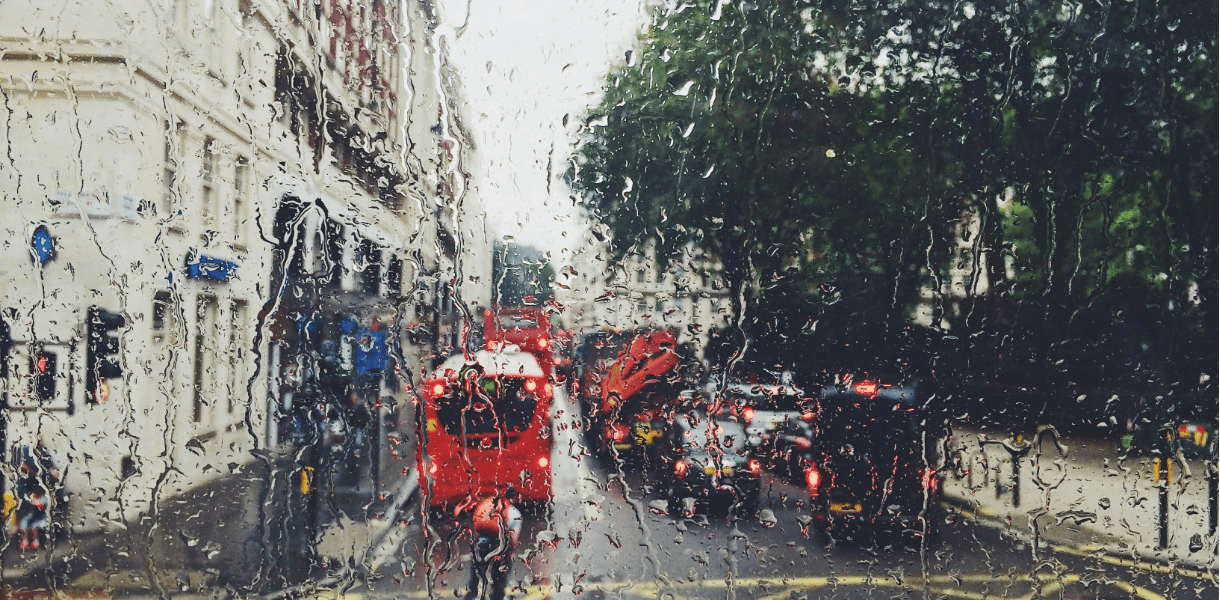
Shoulder season is when the UK often becomes most appealing. Crowds thin out, prices can soften, landscapes take on a richer mood, and places feel less as though they are performing for summer. The compromise, of course, is the weather. Spring and autumn trips are rarely ruined by mixed conditions, but they are often improved by planning for them properly. VisitBritain’s official planning pages, National Rail’s journey tools and the Met Office forecast services all make it much easier to shape a trip around flexible, weather-aware planning rather than hopefulness alone.
Quick takeaways
- Best approach for most people
Choose one strong base and build each day with a fair-weather version, a softened version and a rainy fallback. - Best trip type for mixed weather
Town-and-country breaks, coastal bases with indoor options, and small city breaks with easy cafés, museums and short scenic outings. - Best planning order
Pick the base first, then the anchor outings, then the wet-weather backups, then leave some room to adjust. - Biggest mistake to avoid
Planning the trip as though every day will be dry from breakfast until dusk. - Best practical tool
The Met Office long-range and local forecast tools for checking likely conditions before and during the trip. The Met Office says its long-range forecast is updated daily and is intended to show how conditions may change or differ from normal across the UK. (Met Office)
Why shoulder season can be such a good time to travel
Spring and autumn are often the seasons when the UK feels most human. Seaside towns still have atmosphere without looking overrun. Historic cities regain some composure. National parks and country areas can feel more spacious, more textured and, frankly, more like themselves. VisitBritain’s official tourism site positions trip planning as a core part of visiting Britain and highlights the breadth of destinations, regions and practical planning information available for travellers.
What changes in shoulder season is not that a trip becomes impossible. It is that the shape of the trip matters more. If summer rewards spontaneity and winter often encourages a city-first approach, shoulder season rewards thoughtful flexibility. A good mixed-weather trip is not one that defeats the forecast. It is one that can bend without collapsing.
Start with the right type of destination
Not every lovely place is equally good in mixed weather. The best shoulder season destinations tend to have range. They offer enough indoors and enough outdoors that you do not feel trapped by a rainy morning or wasteful when the clouds unexpectedly clear after lunch.
That usually means one of three things. A small city with walkable streets, museums, markets and good places to eat. A seaside or harbour base with coastal atmosphere, short walks and plenty of shelter. Or a country town with stately homes, historic interiors, cafés, bookshops or galleries nearby. The practical attraction is variety. The emotional attraction is that the place still feels worth being in, whatever the sky is doing.
Choose one strong base
Mixed weather planning becomes much easier when you are not changing accommodation too often. One strong base gives the trip resilience. If a day starts grey, you can delay an outing, swap plans or change the order without also dragging luggage through the equation.
This base should work well on an ordinary drizzly Tuesday, not just in the best photographs. Good arrival logistics, walkable food and drink, a few indoor options, an easy local stroll, and transport that still makes sense in less than perfect conditions all matter. If you can step out for coffee, browse a market hall, visit a museum, or take a short harbour or riverside walk without turning the day into an expedition, the base is doing its job.
Plan each day in three versions
This is the most useful shoulder season trick of the lot.
Instead of giving every day one grand fixed plan, give it three versions. The fair-weather version is the one you would naturally choose if the conditions are decent. The softened version is what you do if the weather is mixed, windy, showery or simply less inviting than hoped. The rainy fallback is the version that still feels pleasant when the skies properly commit to the idea of being difficult.
That might look like this. On a decent day, a long coastal walk and lunch in a harbour café. In mixed weather, a shorter cliff or promenade walk with time in town afterwards. In heavier rain, a heritage house, gallery, covered market or lunch-led day with a proper wander in between showers. The day still has shape. It just has a sturdier one.
Keep travel days lighter
Shoulder season trips benefit from kindness on arrival and departure days. Travel in mixed conditions is often slower, slightly more tiring and more vulnerable to delays, whether by road or rail. National Rail’s journey planner is designed to help travellers compare routes, times and fares, while the wider National Rail site also provides disruption and station information.
That is why the smart move is to keep travel days deliberately lighter. An easy lunch, one short local walk, a gentle first browse, one atmospheric pub, one museum, one promenade, one river path. Plenty. Trying to do too much on a travel day in shoulder season is how a short break starts feeling like administration in a waterproof jacket.
Treat indoor places as part of the trip, not backup failure
One of the odd mistakes people make with mixed-weather planning is treating indoor options as consolation prizes. In the UK, they are often part of the point. Historic houses, museums, galleries, old pubs, spa towns, food halls, covered markets, distilleries, bookshops and tearooms are not what remains after the weather ruins your plan. They are the things that make a shoulder season trip feel rounded.
The same applies to meals. A long lunch with a view, a tea room in a market town, or a pub with a fire and windows full of rain can be the very bit of the trip people remember most clearly. Shoulder season rewards this kind of thinking because it turns “poor weather” into “different texture”.
Use the forecast properly, but do not worship it
The Met Office provides local forecasts, long-range forecasts, maps and warnings, and notes that its long-range forecast is updated daily. It also provides broader weather and climate information on its main site.
That means it makes sense to check conditions sensibly in the days before travel and again while you are away. Look at wind as well as rain, especially on the coast or in upland areas. Think about timing as much as totals. A showery morning and a bright afternoon are not the same as a day of persistent rain, however similar the icons may appear on a phone screen.
At the same time, it is wise not to hand the whole trip over to the forecast. Shoulder season often involves changeable conditions rather than all-day certainty. Some of the best travel days begin as doubtful ones. The answer is not to cancel everything at the first sight of a cloud. It is to know which version of the day to use.
Pack for flexibility, not drama
The right bag for a shoulder season trip is not the heaviest one. It is the one built around layers and adaptability. A waterproof outer layer, shoes that can handle damp pavements or muddy paths, a day bag, and one or two compact extras usually do more useful work than packing for every possible meteorological event between Cornwall and the Cairngorms.
This matters because mixed-weather trips often involve changing your mind once or twice a day. Better to be lightly equipped for flexibility than dressed for a three-week polar survey in a cathedral city with a nice deli.
Book selectively
Shoulder season is not the time to overbook the life out of a trip. Reserve the pieces that genuinely matter, such as transport, accommodation, one especially good meal, and any timed-entry attractions you would be annoyed to miss. National Rail’s official site also explains fare options, tickets and savings, while National Rail says its main railcards offer one-third off many fares.
Everything else benefits from a little breathing room. The weather may change your order. Your energy may change your order. A town may simply invite a slower day than you planned for. That is not poor organisation. That is good shoulder season sense.
Take this guide with you
Prefer something you can save, print, or glance at while planning? Download the printable version here.
Useful planning links
These are the official places most worth bookmarking.
- VisitBritain plan your trip for practical trip-planning guidance and destination inspiration. (VisitBritain)
- VisitBritain travelling around Britain for transport overviews and getting-around advice. (VisitBritain)
- National Rail journey planner for train routes, times and fares. (National Rail)
- National Rail railcards for savings options on eligible rail travel. (National Rail)
- Met Office main weather site for local forecasts, warnings and broader UK weather information. (Met Office)
- Met Office long-range forecast for a broader sense of likely conditions ahead. (Met Office)
Final verdict
Mixed weather is not a reason to avoid shoulder season in the UK. It is part of the deal, and often part of the charm. The trick is not to plan a trip that only works in perfect conditions. It is to plan one with enough structure, flexibility and indoor-outdoor range that the weather becomes part of the atmosphere rather than the enemy of the holiday.
That, in the UK, is often the difference between a trip that feels thwarted and one that feels beautifully seasoned.