
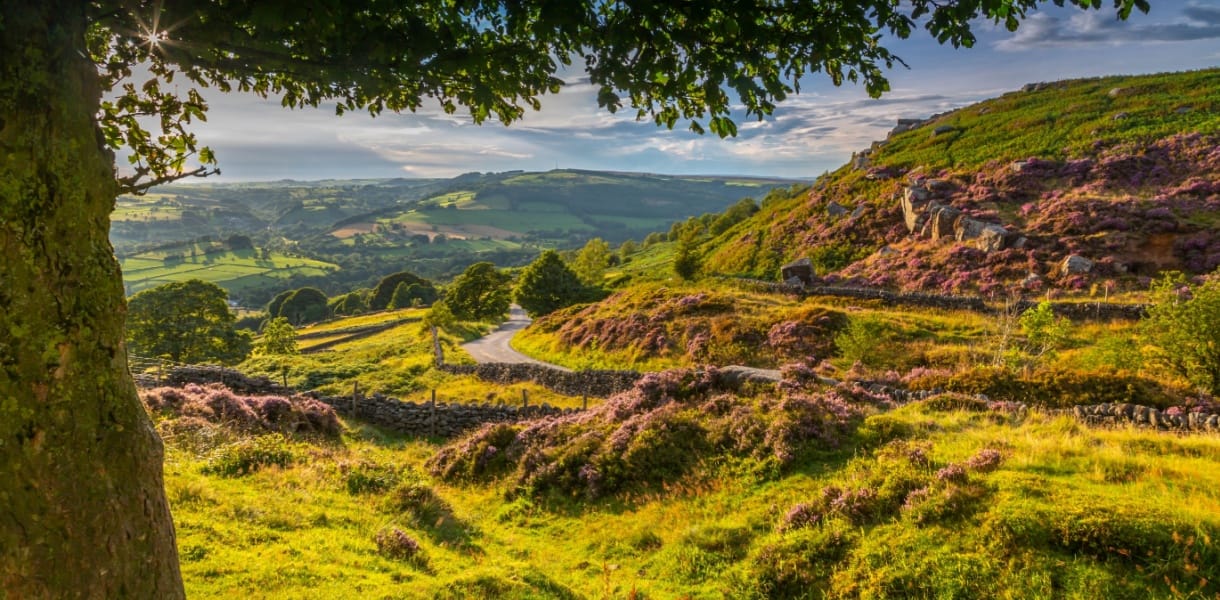
A National Park break can be one of the best kinds of UK escape, but only if you plan the right version of it. Some park trips are all about big walks and dramatic views. Some are gentler, slower, and built around villages, scenic drives, good lunches, and easy time outdoors. Here is how to plan a National Park break that suits your pace, your interests, and your actual appetite for hills.
Quick takeaways
- Start by deciding what kind of park break you want
- Be honest about how much walking you really want to do
- Match the park to the landscape and pace you enjoy
- Choose a base that makes the trip easier, not just prettier
- Plan for weather from the start
- Do not treat every day like a major expedition
- The best park breaks feel balanced, not overachieving
Why National Park breaks work so well
There is something deeply restorative about a National Park break. It might be the scenery, the fresh air, the views, the lower level of everyday nonsense, or simply the fact that lunch tastes better when there is a hill, a lake, a moor, or a forest involved.
But National Park trips are not all the same. A few days in the Lake District is not the same holiday as a break in the South Downs. A rugged stay in Eryri is not the same as a gentler New Forest escape. A Peak District weekend, a Cairngorms trip, and a Pembrokeshire Coast holiday may all involve national park scenery, but they suit very different moods and travellers.
That is why planning matters. The right park break can feel exactly like the reset you needed. The wrong one can leave you slightly tired, slightly soggy, and mildly resentful of contour lines.
Start with the type of break, not the park name
This is the best place to begin. Before you choose a park, decide what sort of National Park holiday you actually want.
Do you want a big-scenery break with dramatic views and a sense of scale. Do you want gentler countryside, pretty villages, and easy outings. Do you want walking to be the main point of the trip, or just one pleasant part of it. Do you want a peaceful stay with very little agenda, or something with enough cafés, pubs, villages, and visitor attractions that the holiday still works when the weather turns.
This matters because it is easy to book somewhere famous and beautiful, only to realise you wanted a different kind of trip altogether. Mountain drama is wonderful, but not if what you really wanted was softer scenery and easier days. Equally, a gentler park may not satisfy if what you wanted was a sense of grandeur and proper outdoor adventure.
The best park break is the one that fits the version of the holiday you actually enjoy, not the one that sounds most impressive.
Decide what role walking plays in the trip
This is often the key decision.
For some travellers, walking is the holiday. The whole break revolves around routes, landscapes, boots, maps, and the satisfying feeling of having earned your dinner. For others, walking means scenic strolls, short circular routes, lakeside paths, woodland trails, or a few manageable outings with plenty of stops and very little heroic intent.
And for many people, walking is mainly a way of making a good lunch feel even more justified.
All of these are entirely valid. They are just different kinds of break.
If walking is central, choose a park and a base that make that easy. If walking is only part of the trip, then a park with villages, scenic drives, heritage sites, food stops, and rainy-day options may be a better fit. The mistake is not in choosing one style over another. It is in planning for one while secretly wanting the other.
Choose the kind of landscape that suits you
National Parks have very different personalities, and landscape changes everything.
Some are dramatic, steep, and full of visual theatre. Some are softer and more pastoral. Some are all about open moorland, broad views, and a sense of space. Some mix woodland, river valleys, heath, and gentler countryside. Some combine coast and inland scenery. Some feel famous and busy. Others feel quieter and less pressed upon.
It helps to think about what sort of scenery you actually want to spend time in. Lakes and mountains. Rolling hills. Dry-stone walls and villages. Forest and heath. Rugged coast. Big sky and moorland. The right landscape shapes the whole mood of the holiday and affects how active, restful, or adventurous the trip feels.
Match the park to your pace
Some parks invite full active days. Some are more naturally suited to slower wandering. Some can do both, which is often ideal.
If your version of a good holiday includes major walks, scenic routes, viewpoints, and a full day outdoors, choose a park that supports that well. If you want a slower rhythm with one main outing a day, long lunches, gentle wandering, and scenic variety without constant effort, choose accordingly.
This is where people often get themselves into trouble by planning for their aspirational holiday self rather than their actual one. A park break becomes much more enjoyable when it matches your natural tempo. If you like a big outing followed by a slow afternoon, plan for that. If you want busy days, fine, but make sure everybody else coming along agrees.
Choose a base that makes the trip easier
A well-chosen base can make a National Park break feel smooth, easy, and satisfying. A badly chosen one can make it feel oddly inconvenient.
If you want walks from the door, stay somewhere with genuine route access nearby. If you want atmospheric evenings, choose a village or town with pubs, restaurants, or somewhere pleasant to stroll after dinner. If you want peace, go quieter and accept that this may mean fewer nearby conveniences. If you are travelling with family, practical things like parking, space, access, and low-friction outings matter a great deal.
Also think about the weather. A remote cottage on a narrow lane may look idyllic until the rain sets in and every outing begins to feel like a tactical manoeuvre. A good inn, lodge, or village base can make mixed weather much easier to handle.
The best base is not simply the prettiest one. It is the one that makes the holiday work.
Be realistic about travel times
National Park distances can be deceiving. What looks close on a map may involve twisting roads, slow traffic, steep gradients, sheep, cyclists, scenic pauses, and villages that are deeply committed to not being hurried.
That is part of the charm, until it starts eating your day.
When planning a National Park break, be cautious about travel times. Do not squeeze too much into one day. A scenic drive, a village stop, a moderate walk, and lunch can easily be enough. The goal is not to cover the entire park in one triumphant sweep. The goal is to enjoy being there.
Build in a weather plan
Every UK National Park break needs a weather strategy.
On clear days, you want the big walk, the panoramic route, the exposed viewpoints, the boat trip, or the outdoor lunch. On mixed days, shorter walks, valley routes, villages, gardens, scenic drives, and visitor attractions may make more sense. On wet days, it helps if the trip also includes market towns, museums, heritage properties, galleries, cafés, food stops, or simply somewhere pleasant to spend time indoors.
A park holiday that depends entirely on perfect weather is not really a plan. It is more like an appeal to fate. That said, National Parks can be wonderful in mixed weather. Low cloud, dramatic light, wet woodland, a moody lake, a pub afterwards. British scenery often does its best work when slightly unsettled.
Give the trip some rhythm
One of the most common planning mistakes is turning every day into a major expedition.
A better National Park break has rhythm. One bigger day, one easier one. One walk-focused day, one scenic potter. A slow morning after a fuller outing. A village, garden, or heritage stop after a more active day. Time to enjoy where you are staying. Time for a long lunch. Time not to perform constant holiday efficiency.
This matters especially on longer breaks and mixed-group trips. Not everyone wants to set out every day as though training for something. A gentler day is not wasted. It is often what makes the energetic days more enjoyable.
Let the extras give the trip character
A National Park break is rarely just about scenery. The best ones usually have another strand running through them.
That might be food, with country pubs, farm shops, bakeries, and memorable dinners. It might be heritage, with abbeys, castles, historic houses, mining history, or old railways. It might be wildlife, gardens, photography, birdwatching, or scenic drives. It might simply be a lovely place to stay and a strong commitment to not rushing about unnecessarily.
These extras matter because they stop the trip becoming one-note. Even beautiful scenery benefits from contrast. A good lunch, a village stop, a bookshop, a ruined priory, a country house, a market town. These are often the details that round out the holiday and make it feel more human.
Think about popularity levels
Some National Parks and certain areas within them are extremely popular. That is not a reason to avoid them. Popular places are often popular because they are excellent.
But it is worth knowing your tolerance for crowds, car parks, queues, and honeypot hotspots. You may be perfectly happy with that, especially if you visit headline places early or late in the day. Or you may prefer quieter corners, less obvious bases, and a gentler sense of space.
You can often combine both. Stay in a less pressurised spot, visit the famous places at quieter times, and balance them with lesser-known areas. That usually makes for a better trip than spending the whole holiday mildly annoyed that other people also had the bright idea of visiting a beautiful National Park.
Choose the right length of break
National Park trips can work well at several lengths.
Two to three nights suits a shorter scenic reset with a couple of outings and a change of pace. Four to five nights is often ideal for a fuller park break, giving you room for a mix of activities and at least one slower day. Six nights or more works well for a more immersive stay, especially if you want to explore different corners of the park or allow for weather flexibility.
The important thing is to match the plan to the time. A short break should not be saddled with epic ambitions. A longer break should not be packed so tightly that it becomes tiring.
Plan for the actual travellers
This sounds obvious, but it is worth saying. Plan for the people actually going on the trip, not for an imaginary harder-walking, more weatherproof, more enthusiastic version of them.
A National Park break for a couple wanting a quiet scenic reset is different from one for experienced walkers. A family trip is different again. A trip for people who mainly want views without earning every single one is another thing entirely.
Plan for real energy levels, real interests, real knees, real appetites, real tolerance for weather, and real footwear. That may sound less glamorous than an imaginary heroic version of the holiday, but it is far more likely to be a success.
Final verdict
Your perfect National Park break is not about choosing the grandest landscape and hoping the rest will sort itself out. It is about matching the right park, the right base, and the right style of trip to the way you actually like to travel.
Get that right and a National Park break can be one of the most satisfying UK escapes there is. You come home with clearer lungs, better sleep, muddier shoes, stronger opinions about bakeries and pubs, and the definite sense that looking at hills improves almost everything.
That is usually a sign the trip has worked.
Need to know
National; Parks official websites
Bannau Brycheiniog National Park (Brecon Beacons)
Eryri National Park (Snowdonia)
Loch Lomond & The Trossachs National Park
North York Moors National Park
Pembrokeshire Coast National Park
Best for
- Travellers wanting scenery and a strong change of pace
- Walkers and gentler wanderers alike
- Couples, solo travellers, and families who enjoy the outdoors
- Anyone craving a landscape-led break
Works especially well for
- walking holidays
- scenic short breaks
- food-and-country escapes
- heritage-and-landscape trips
- longer slower stays with one or two bases
Common mistakes to avoid
- choosing a park before deciding what sort of trip you want
- overestimating how much walking you really want to do
- underestimating travel times
- booking an impractical base
- planning every day as a major outing
- relying entirely on good weather
A good first-trip formula
- 3 to 4 nights
- 1 well-chosen base
- 1 main outing a day
- 1 slower day or half-day
- a weather backup plan