
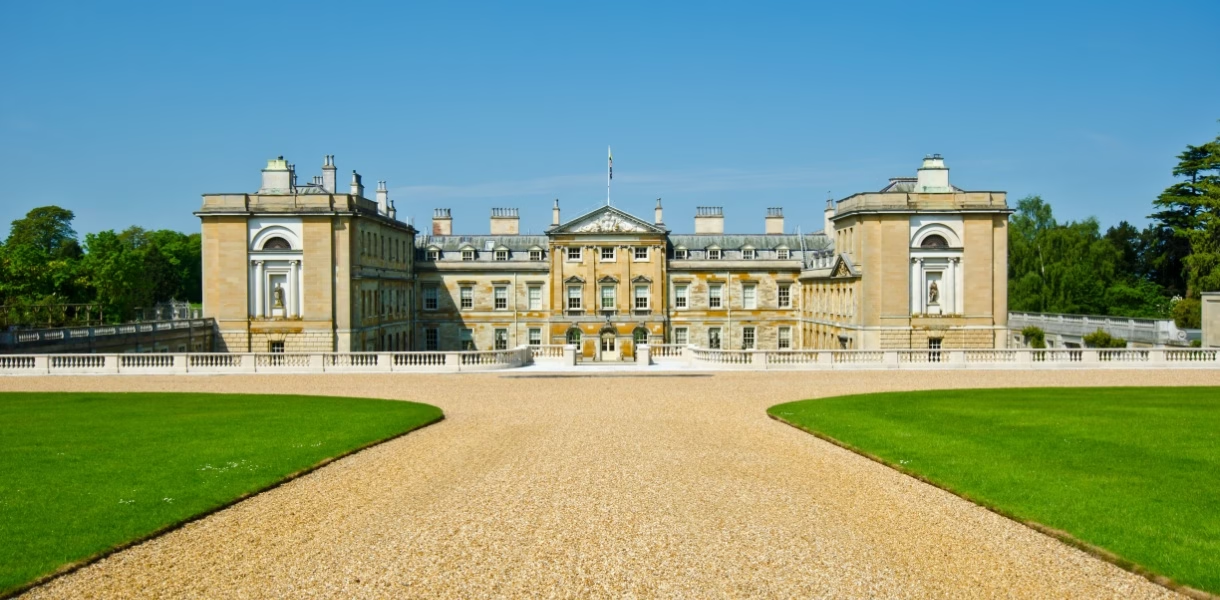
Looking for the best historic attractions in the UK? This guide brings together castles, cathedrals, abbeys, ancient sites, stately homes, battlefields and heritage landmarks that help tell Britain’s long and wonderfully layered story. Whether you are planning a history-filled day out, building a weekend break around a famous landmark, or looking for atmospheric places with real cultural weight, UK Explorer’s historic attractions guides help you discover where to go, what to see and why these places still matter today.
Historic places that still shape Britain today
Britain has been collecting historic attractions for quite a long time and, to its credit, has become very good at it.
Castles rise above market towns and riverbanks with the sort of confidence only centuries can provide. Abbey ruins sit in meadows looking romantically windswept and mildly superior. Cathedrals dominate city skylines. Great houses, old halls, fortified manors, towers, gateways, ancient streets, and battlefield sites all contribute to the agreeable sense that wherever you go in Britain, the past is rarely far from view.
That is part of what makes heritage travel here so rewarding. Historic attractions are not tucked away as side notes. They are often the centrepiece of a place, shaping its skyline, its identity, and very often its entire reason for being on your weekend list.
The UK Explorer Historic Attractions section brings together attraction guides, heritage-led travel features, short takes, and practical visitor inspiration for historic places across England, Scotland, Wales, and Northern Ireland. Some articles focus on major visitor attractions. Others look at lesser-known places that are quietly fascinating. All are here for readers who like architecture, atmosphere, stories, and the satisfying feeling of spending time somewhere that has seen rather more of history than most modern buildings manage in a lifetime.
What you’ll find here
In this section, you’ll find a mix of:
- short take guides to individual attractions
- deep-dive features on major historic sites
- heritage-led ideas for day trips and short breaks
- articles on castles, abbeys, cathedrals, halls, houses, ruins, and landmarks
- visitor-focused planning help
- destination content built around historic places
- practical inspiration for adding heritage attractions to wider trips
The aim is not simply to tell readers that a place is old and worth a look. It is to help them understand what makes it special, what kind of visit it suits, and how it fits into the wider destination around it.
Why historic attractions matter so much in Britain
Historic places in Britain rarely feel isolated from daily life. A castle may still define the centre of a town. A cathedral may shape the rhythm of a city. A ruined abbey may sit beside a river, a high street, or a walking route as though such things happen every day. Old buildings here often feel woven into the landscape rather than staged apart from it.
That is one reason they work so well for travel. A historic attraction is often more than a single stop. It can become the anchor for a full day out, a city break, a weekend away, or a wider road trip. One good site tends to lead naturally to another, and before long you have built an itinerary around abbeys, battlements, medieval lanes, stately rooms, or stories of siege, scandal, pilgrimage, power, collapse, and very determined stone masonry.
There is also the straightforward pleasure of visiting places with presence. A good historic attraction does not just offer information panels and a gift shop. It offers atmosphere. Texture. Scale. The sense that you are somewhere that mattered, and often still does.
Historic attractions by type
Castles
Britain is extremely well stocked with castles, and fortunately they are not all doing the same job. Some are dramatic ruins on cliffs or hilltops. Some are still furnished and lived in. Some feel built for war, some for prestige, and some for the dual purpose of impressing visitors while making everyone else think twice.
Castles are ideal for readers who like big views, thick walls, strong stories, and the happy combination of architecture, history, and spectacle.
Abbeys and ruins
There is something particularly appealing about a good ruin. Perhaps it is the romance of the thing. Perhaps it is the drama of weathered stone and broken arches. Perhaps it is simply that Britain has had enough religious upheaval, civil conflict, and determined repurposing over the centuries to leave behind some wonderfully atmospheric remains.
Abbeys, priories, and ruined monasteries often offer some of the most evocative heritage visits in the country, particularly when paired with riverside settings, parkland, or nearby historic towns.
Cathedrals and churches
Britain’s cathedrals are among its most impressive and rewarding historic attractions. They dominate city centres, hold centuries of craftsmanship and memory, and often provide the kind of interior that makes even the most conversational visitor lower their voice a little.
Churches, too, can be remarkable, whether for architecture, setting, age, historical significance, or sheer persistence. These sites are ideal for readers interested in sacred architecture, city heritage, and places where history and everyday life still overlap.
Historic houses and halls
Not every heritage attraction comes with battlements. Some come with landscaped grounds, long galleries, formal staircases, portraits of stern ancestors, and kitchens that suggest the servants had the more interesting route through the building.
Historic houses, manors, halls, and estates often make excellent day out destinations, especially when they combine architecture, collections, gardens, and wider estate walks. They also work well for readers who enjoy domestic history alongside grander historical narratives.
City landmarks and old buildings
Some of Britain’s best historic attractions are not isolated sites but major buildings embedded in city life. Guildhalls, towers, bridges, gates, old civic buildings, fortified walls, and famous urban landmarks can all become central parts of a city break or heritage-themed itinerary.
These places are particularly rewarding because they often connect history with the life of the city around them rather than separating one from the other.
Heritage day out ideas
Sometimes the attraction is not the whole story. A castle might sit near a walk, a market town, a stately home, a riverside lunch stop, or a second historic site worth pairing with it. This section also supports heritage-led travel ideas that help readers turn individual attractions into fuller days out or short breaks.
Featured ideas to explore
Looking for inspiration for your next heritage day out or historic short break? These featured ideas highlight some of the UK’s most memorable castles, abbeys, cathedrals, great houses and historic sites, from famous landmarks to places that are easier to miss. It is a good place to start if you want history with atmosphere, character and plenty to see once you arrive.
Explore historic attractions
From castles and cathedrals to abbey ruins, Roman remains and great houses, explore historic places across the UK by type and start planning your next heritage day out.
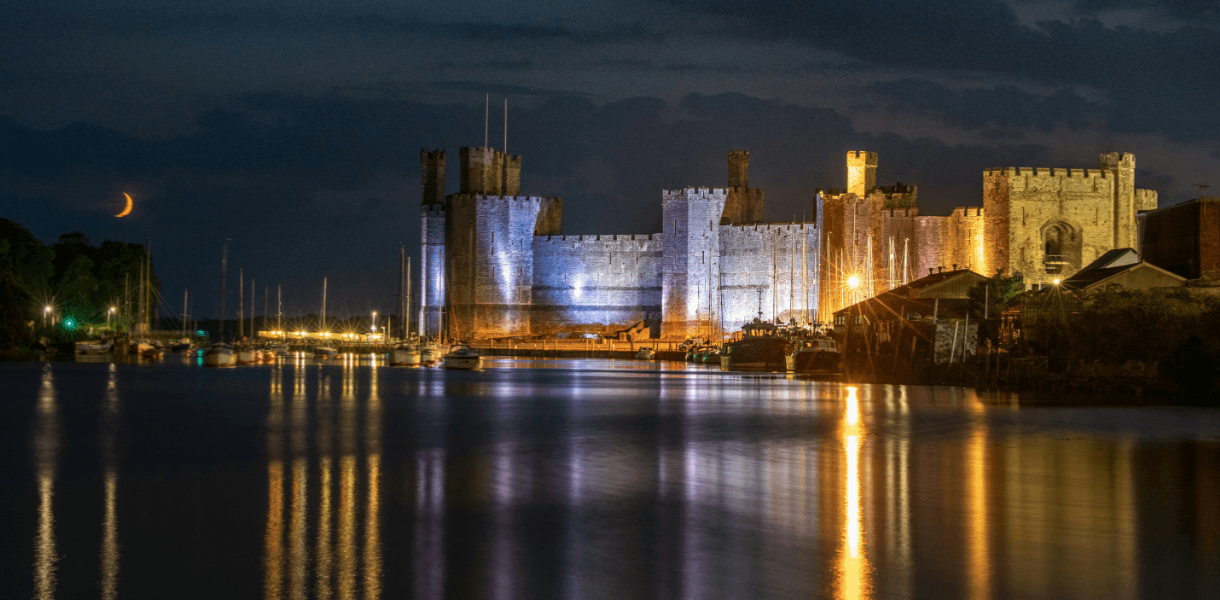
Castles
Fortresses, strongholds and dramatic hilltop ruins with stories of battles, power and survival.
Explore more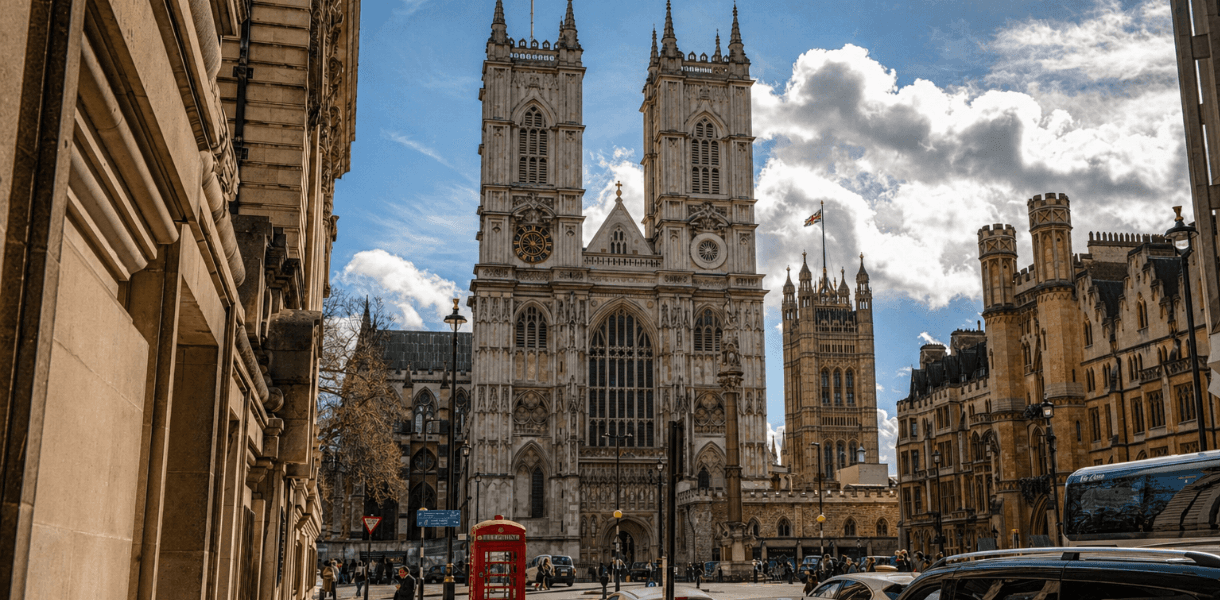
Abbeys and ruins
Atmospheric monastic ruins, roofless stonework and some of the most haunting heritage sites in Britain.
Explore more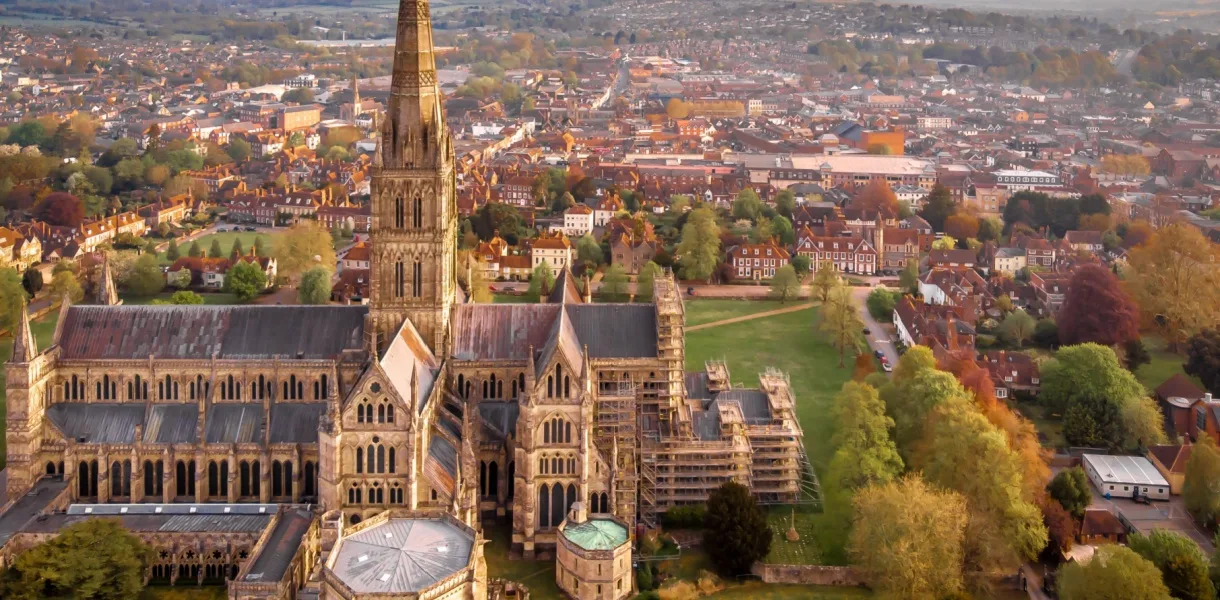
Cathedrals and churches
Great sacred spaces, landmark towers and centuries of craftsmanship and ceremony.
Explore more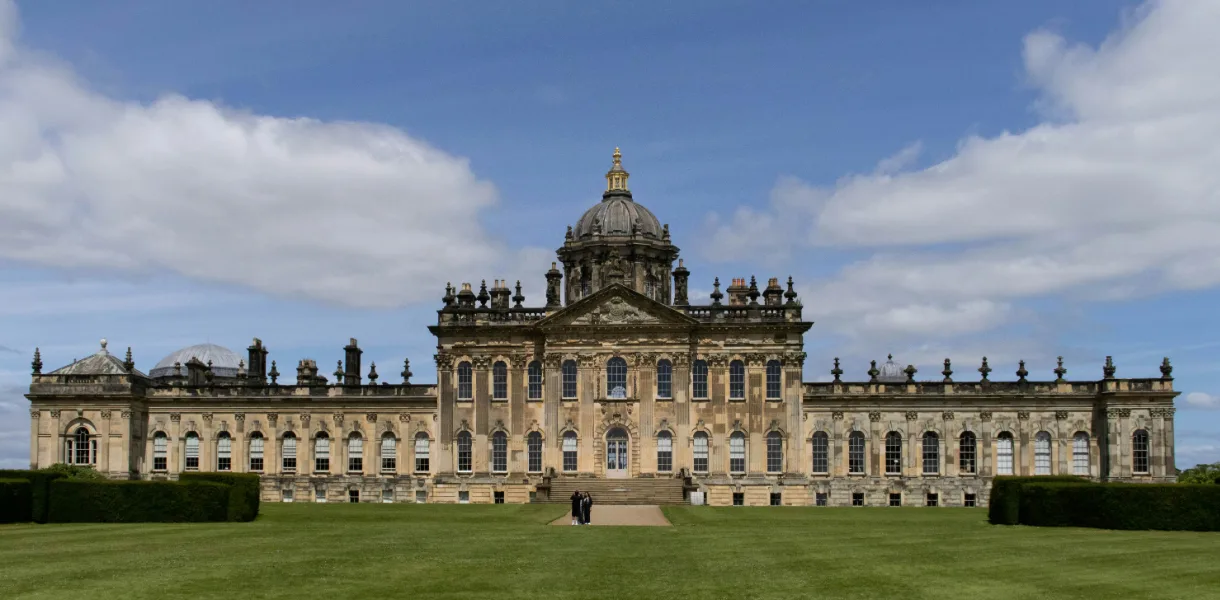
Historic houses
Stately homes, manor houses and elegant residences with art, gardens and stories behind the front door.
Explore more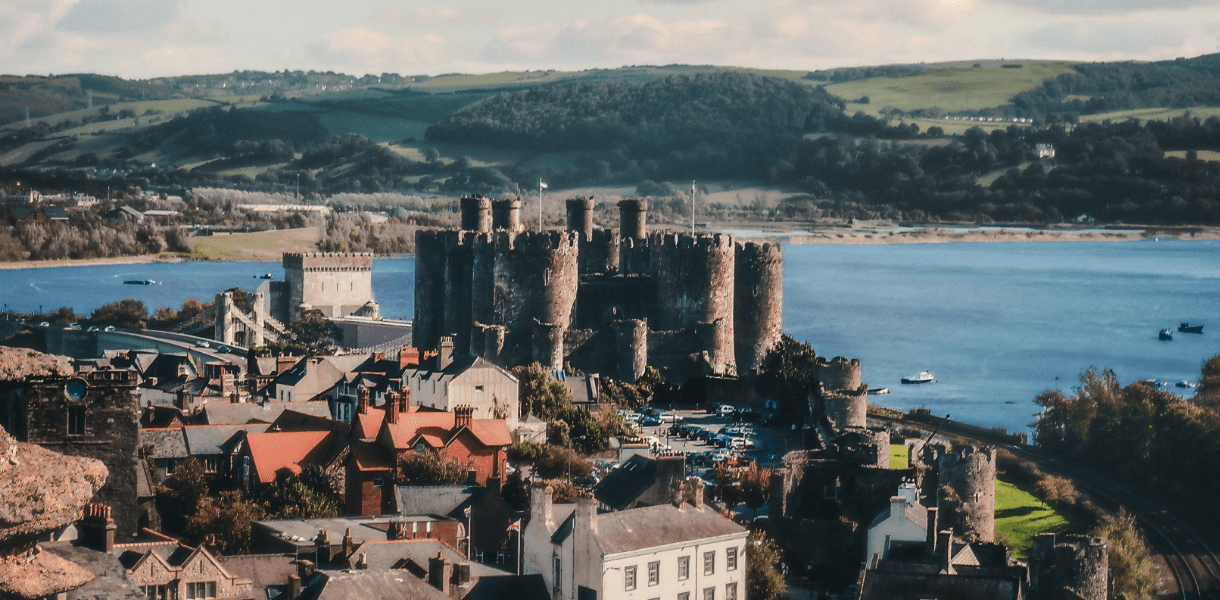
Welsh Castles guide
From Conwy and Caernarfon to Raglan and Carreg Cennen, explore the castles of Wales, power, conquest, resistance and ruin.
Explore more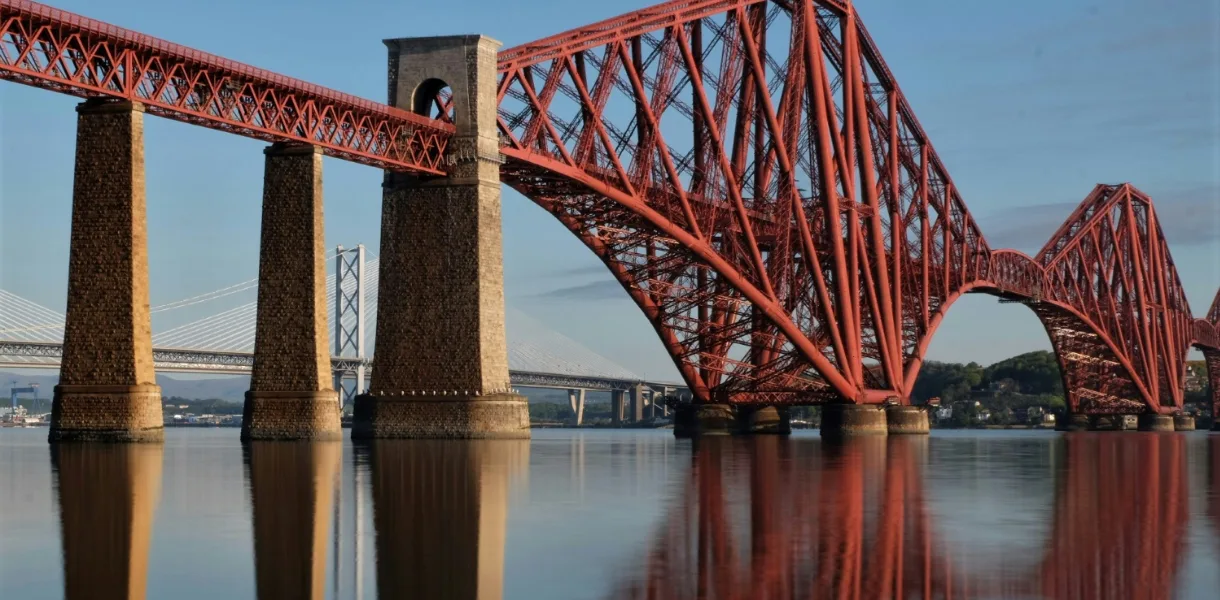
Scotland’s Industrial heritage
Dockyards, mills, rail heritage and working landscapes that tell the story of how Britain changed the world.
Explore moreMore than old buildings
A historic attraction needs more than age to be memorable.
Some places impress because of scale. Some because of their setting. Some because of the events that happened there. Some because they reveal something unexpectedly human in the past, whether that is a domestic detail, a political drama, or a beautifully preserved room that suddenly makes history feel less abstract.
That is why UK Explorer’s approach to historic attractions is not simply to list monuments. We are interested in what makes a place worth visiting now. What sort of experience does it offer. How long should you allow. What kind of traveller is it best for. Is it somewhere to build a day around, or a shorter stop folded into a broader trip.
Those questions matter just as much as dates and dynasties.
Historic attractions as part of a wider trip
One of the strengths of Britain’s historic places is how naturally they fit into other kinds of travel.
A cathedral can anchor a city break. A ruined abbey can transform a countryside weekend. A castle can become the centrepiece of a coastal trip. A grand house can add structure to a road trip. A walled old town can make a weekend away feel richer and more atmospheric almost by default.
This section is designed with that wider context in mind. Historic attractions are not treated as isolated curiosities but as part of the broader experience of travelling in Britain.
Practical heritage travel planning
Historic attractions are often easy to romanticise and slightly harder to plan than people expect.
A site may be seasonal, partly outdoors, ticketed, weather-dependent, or best visited at quieter times of day. Some are compact and easy to add to a trip. Others deserve several hours and a good pair of shoes. Some work beautifully with public transport. Others are more convenient by car. Some are ideal for children. Others are more peaceful if visited without anyone under the age of twelve asking where the dragons are.
That is why UK Explorer aims to include practical context where useful, such as:
- how much time to allow
- whether a place suits a short stop or longer visit
- what facilities are available
- whether booking may be needed
- how the site fits into a wider destination or day out
- what kind of visitor it may suit best
A little practical guidance can make a heritage visit far easier to enjoy properly.
Historic attractions through the seasons
Historic places often change character with the time of year.
A ruined abbey in spring can feel entirely different from the same site on a grey autumn afternoon. A cathedral city in winter may gain atmosphere from dark skies and festive lights. Castles and great houses can feel more manageable outside peak summer crowds. Gardens and estate grounds often add another layer to the visit in late spring and early autumn.
That makes seasonal thinking especially useful in heritage travel. The site may stay the same, but the experience of visiting it often does not.
Printable guides and heritage resources
As UK Explorer grows, some heritage content may also be supported by:
- printable attraction guides
- city break itineraries with heritage highlights
- historic day out planners
- regional heritage shortlists
- practical trip resources linked to castles, abbeys, cathedrals, and old houses
These are useful for readers who want to build a trip around one or more historic places and keep the details in an easier format.
For those, visit the Printable Guides and Itineraries section.
Where to go next
From here, you may want to explore:
- City Breaks for heritage-rich urban escapes
- Weekend Getaways for short breaks built around history and atmosphere
- Road Trips for multi-stop journeys with castles, abbeys, and market towns along the way
- Seasonal Travel for historic visits shaped by the time of year
- Printable Guides and Itineraries for practical planning support
A final word
Historic attractions are one of the great pleasures of travelling in Britain. They give places weight and texture. They remind you that even the quietest town may once have mattered enormously to someone with a crown, a sword, a mitre, or a deeply ambitious building programme.
That is what this section is here to help you explore.
So whether you are looking for castles, cathedrals, abbey ruins, old halls, city landmarks, or simply a place with enough atmosphere to make history feel interesting again, there should be something here worth setting time aside for.