Some parts of Britain seem to have missed the memo about self-promotion, which is often exactly why they are so rewarding. These are the under-the-radar regions where scenery, history, food, walking, coast, villages and atmosphere all quietly get on with being excellent.
Quick takeaways
Best for river scenery
Wye Valley
Best for wild upland space
North Pennines, Black Mountains, Assynt and Coigach
Best for quiet coast
Suffolk Coast and Heaths, Ards Peninsula, The Machars
Best compact surprise
The Wirral
Best for woodland atmosphere
Forest of Dean
Best first trip
Wye Valley or Suffolk Coast and Heaths
Why Britain’s quieter regions are often the best ones
There is a particular pleasure in visiting a place that has not been flattened by expectation. No one has told you exactly where to stand, what to photograph, or which pastry you must solemnly queue for. You arrive with curiosity rather than a checklist, and the place has room to surprise you.
Britain is full of these quiet overachievers. Regions with a strong sense of identity, proper scenery, good walks, absorbing towns, old ruins, coastal lanes, river bends and the occasional pub that looks as though it has been patiently waiting since 1823 for someone sensible to come in out of the weather.
These are not obscure places in the sense that nobody lives there, visits them, or loves them. They are simply less shouted about than they deserve to be. And that, frankly, is part of their charm.
1. The Wye Valley
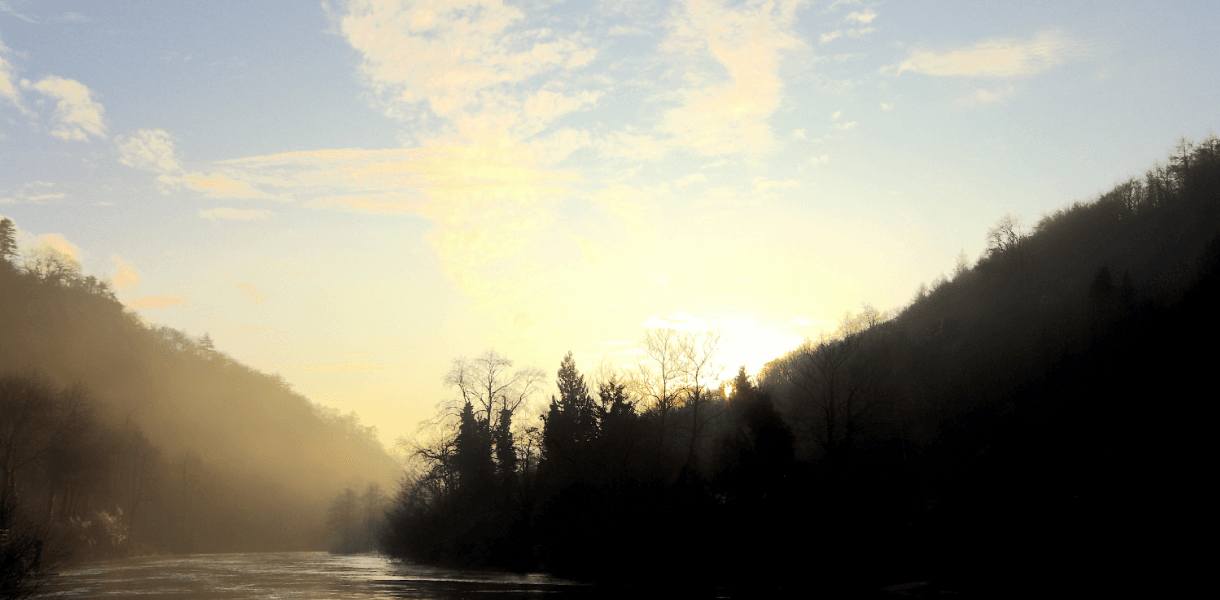
The Wye Valley is one of those places that seems to understand the value of a good curve. The river loops and glides between wooded slopes, limestone cliffs and old settlements, making the whole region feel composed rather than merely scenic.
It is a landscape with a wonderfully gentle drama. Tintern Abbey appears in its green hollow with almost theatrical timing. Symonds Yat gives you one of the great river views of western Britain. Monmouth, Ross-on-Wye and Chepstow provide the sort of old-town texture that makes a weekend feel properly filled without ever becoming frantic.
This is a region for slow walks, river views, ruined stonework, woodland paths and lunches that accidentally last longer than planned.
Getting here
Good access by road from Bristol, Cardiff, Gloucester and the Midlands. Chepstow and Hereford are useful rail gateways.
Best for
River scenery, woodland walks, abbey ruins and relaxed weekends.
Time needed
Two to three days works well. A longer stay gives you time to explore both the valley and the nearby Forest of Dean.
Don’t miss
Tintern Abbey, Symonds Yat Rock, Monmouth, Chepstow Castle and riverside walks along the Wye.
2. The North Pennines
The North Pennines are what happens when a landscape decides it would rather not perform for the crowds. This is high, open, wind-brushed country, full of moorland, waterfalls, stone villages, old lead-mining traces and skies large enough to make most human concerns look slightly overdramatic.
It is often overshadowed by the Lake District, which sits nearby looking glamorous and busy. The North Pennines, by contrast, feel more spacious and less interested in applause. High Force thunders away in Teesdale, Alston sits high and hardy among the hills, and the roads cross lonely uplands where the view seems to go on thinking after you have stopped.
This is not soft-focus countryside. It has grit, scale and weather. Bring boots, a coat and a fondness for places that make tea taste better.
Getting here
Best explored by car, with access from Durham, Hexham, Penrith, Barnard Castle and Carlisle.
Best for
Moorland, waterfalls, big skies, stargazing and quiet walking.
Time needed
A weekend gives a strong taste. Three to four days lets you explore Teesdale, Weardale and Alston Moor properly.
Don’t miss
High Force, the road over Hartside, Alston, Dufton, Teesdale and the area’s dark sky viewpoints.
3. The Suffolk Coast and Heaths
The Suffolk Coast does not shout. It murmurs, which is much more effective if you are in the right mood. This is a coast of shingle beaches, reedbeds, heathland, estuaries, fishing huts and small towns with a pleasingly weathered dignity.
Aldeburgh has music, fish and a beach that feels both elegant and practical. Southwold comes with beach huts, a pier and just enough seaside nostalgia to be charming rather than sticky. Orford feels secretive in the best possible way, with its castle, quay and strange coastal landscapes nearby.
The beauty here is subtle. There are no enormous cliffs elbowing their way into the conversation. Instead you get light, texture, birdsong, salt air and the sense that the coast is quietly rearranging itself while you are having lunch.
Getting here
Good road access from Ipswich, Norwich and Cambridge. Rail links work best via Ipswich, Saxmundham or Darsham, with local buses or taxis onward.
Best for
Quiet seaside atmosphere, food, birdlife, coastal walks and characterful small towns.
Time needed
Two to four days. This is a region that rewards unhurried exploring.
Don’t miss
Aldeburgh, Southwold, Orford, Dunwich Heath, Snape Maltings and the estuary landscapes around the Alde and Ore.
4. The Gower Peninsula
The Gower Peninsula is one of Britain’s great compact coastal regions, though it still somehow feels less internationally famous than it ought to. If it were in Cornwall, people would probably be making documentaries about it every fortnight.
Instead, it sits just beyond Swansea and quietly produces beaches of absurd quality. Rhossili Bay is the obvious showstopper, a grand sweep of sand and headland that looks good in almost any weather. Three Cliffs Bay is even more theatrical, with sand, water, rock and green slopes arranged with unnecessary flair.
The joy of Gower is its range. One day can bring cliff walking, beach wandering, village pubs, ancient sites and views that make you slow down without quite meaning to.
Getting here
Swansea is the main gateway by train and road. From there, buses and driving routes connect to key Gower villages and beaches.
Best for
Beaches, coastal walks, views, family trips and short breaks with big scenery.
Time needed
Two to three days for the highlights. Longer if you want to walk sections of the coast path.
Don’t miss
Rhossili Bay, Worm’s Head, Three Cliffs Bay, Oxwich Bay, Mumbles and the coastal walks around South Gower.
5. Assynt and Coigach
Assynt and Coigach are not under the radar because they lack drama. They are under the radar because they are quite a long way from most people’s usual plans, and Britain has an unfortunate habit of becoming vague once the map reaches the far northwest of Scotland.
This is a mistake. The landscape here is extraordinary. Mountains rise from the moor like ancient creatures deciding whether to stand up. Suilven, Stac Pollaidh and Canisp have the sort of profiles that stay in your mind long after the trip is over. Between them are lochs, empty roads, white beaches, ruined castles and stretches of coastline that feel almost unfairly beautiful.
It is a region for people who like space, silence and scenery with a slightly otherworldly edge. It does not offer convenience in great quantities. It offers something better.
Getting here
Best reached by car from Inverness, Ullapool or the North Coast 500 route. Public transport is limited, so planning matters.
Best for
Remote mountain scenery, wild coast, photography, walking and a true sense of escape.
Time needed
Three to five days is ideal, especially if travelling from central Scotland or northern England.
Don’t miss
Stac Pollaidh, Suilven views, Loch Assynt, Ardvreck Castle, Achmelvich Beach and the coast around Lochinver and Coigach.
6. The Wirral
The Wirral is the sort of place many people think they know because they have passed near it. This is unfair. Tucked between Liverpool, Chester, the Mersey and the Dee, it is a compact peninsula with a surprisingly rich mix of coast, villages, architecture and estuary views.
West Kirby and Hilbre Island bring wide skies and tidal adventure. Port Sunlight offers one of Britain’s most handsome planned villages, all gardens, brickwork and civic idealism. The Dee Estuary has a quiet, bird-rich beauty, while the Mersey side gives you big views towards Liverpool.
It is not a grand wilderness or a famous holiday region. It is something more unusual, a small area with far more variety than seems reasonable.
Getting here
Very easy by train from Liverpool and Chester, with Merseyrail links to several Wirral towns.
Best for
Easy car-free trips, estuary walks, heritage architecture, beaches and compact exploring.
Time needed
One to two days. It works especially well as a weekend add-on to Liverpool or Chester.
Don’t miss
Port Sunlight, West Kirby, Hilbre Island, Parkgate, Thurstaston, New Brighton and views across the Mersey.
7. The Black Mountains
The Black Mountains sit within the eastern side of Bannau Brycheiniog, but they have a character all their own. They are quieter, lonelier and somehow more secretive than the central Beacons, with long ridges, borderland views and towns that feel perfectly placed for lingering.
Hay-on-Wye sits at the northern edge with its books, lanes and pleasingly independent spirit. Crickhowell is one of the best small bases in Wales. The hills themselves offer fine walking without the same pressure of expectation that gathers around better-known summits.
This is a landscape of ridgelines, old routes and changing light. It feels like a place to walk into gradually rather than conquer.
Getting here
Best accessed by road from Hereford, Abergavenny, Brecon or Monmouth. Abergavenny is the most useful nearby rail station.
Best for
Hill walking, bookish towns, border country, views and quieter Welsh landscapes.
Time needed
Two to three days for a short break. Longer if you want to walk several ridges.
Don’t miss
Hay-on-Wye, Crickhowell, Llanthony Priory, Hay Bluff, the Gospel Pass and walks above the Vale of Ewyas.
8. The Ards Peninsula
The Ards Peninsula has a wonderful sense of being close to things and away from them at the same time. It lies within easy reach of Belfast, yet its coastal roads, villages and lough views feel gently removed from the usual rush.
Strangford Lough gives the region much of its character. Water, islands, birdlife, old estates, abbey ruins and small harbours all combine into a landscape that feels calm but never empty. Portaferry and Greyabbey make satisfying stops, while Mount Stewart adds gardens and grandeur without making the whole place feel over-managed.
This is Northern Ireland in a softer key. Not less interesting, just less insistent.
Getting here
Best explored by car from Belfast. The Strangford ferry makes a lovely link between the peninsula and County Down.
Best for
Coastal drives, lough views, gardens, birdlife and quiet village stops.
Time needed
One to two days. It also works as part of a longer County Down trip.
Don’t miss
Mount Stewart, Greyabbey, Portaferry, Strangford Lough, Exploris Aquarium and the ferry crossing to Strangford.
9. The Forest of Dean
The Forest of Dean has a slightly enchanted quality, as though it has been waiting patiently for someone to write a children’s book about it. Dense woodland, old mining traces, mossy paths, heritage railways and sudden viewpoints give it a character quite unlike the more polished countryside nearby.
It sits between the Severn and the Wye, which is part of the appeal. You can have deep forest in the morning, river views by afternoon and a pub meal somewhere that appears to have been built before straight walls became fashionable.
Puzzlewood is the obvious fairy-tale moment, but the wider forest is just as rewarding. It is a place for walking, cycling, family exploring and remembering that woodland can be every bit as atmospheric as coast or mountain.
Getting here
Best by car from Gloucester, Chepstow, Monmouth or Bristol. Lydney has rail access on the edge of the forest.
Best for
Woodland walks, family trips, cycling, heritage railways and atmospheric landscapes.
Time needed
Two to three days. It pairs naturally with the Wye Valley.
Don’t miss
Puzzlewood, Symonds Yat, Clearwell Caves, the Dean Forest Railway, Cannop Ponds and forest cycling trails.
10. The Machars
The Machars, in southwest Scotland, feel like the sort of place Britain keeps hidden in a coat pocket and forgets to mention. This low, broad peninsula in Dumfries and Galloway has coast, farmland, ancient history, big skies and small settlements that seem entirely untroubled by fashion.
Whithorn brings early Christian heritage and a deep sense of history. The Isle of Whithorn has harbour charm and sea air. Around the coast, the landscape opens into quiet bays, cliffs and lanes where the journey is as much the point as arrival.
This is not Scotland at its most famous or most dramatic. It is Scotland at its most spacious, reflective and quietly compelling.
Getting here
Best explored by car. Newton Stewart, Wigtown and Whithorn are useful bases or access points.
Best for
Quiet coast, early history, big skies, slow travel and off-season atmosphere.
Time needed
Two to three days as part of a wider Dumfries and Galloway trip.
Don’t miss
Whithorn, Isle of Whithorn, St Ninian’s Cave, Wigtown, coastal lanes and views across Luce Bay.
Final verdict
Britain’s under-the-radar regions are not second-best versions of famous places. They are often better suited to the sort of trip many people actually want. Less queueing. More noticing. Fewer must-see pressures. More room for a good lunch, an unplanned walk, a view with no one standing in front of it, and the quiet satisfaction of having found somewhere that feels properly yours for a while.
The Wye Valley is the best all-rounder. The North Pennines and Assynt and Coigach bring the big landscapes. The Suffolk Coast and Ards Peninsula offer gentler coastal atmosphere. The Wirral is the surprise package. The Machars may be the purest under-the-radar choice of the lot.
Together, they prove a useful point. Britain does not run out of good places once you have visited the famous ones. In many ways, that is when it starts getting interesting.